



What’s working in mid-strength wine
There’s an emerging category of sub 9% ABV wines in the UK, dubbed ‘mid-strength’ by the trade, and it’s got celebrity backing – but are consumers actually buying the wines based on their alcohol level? Patrick Schmitt MW finds out.
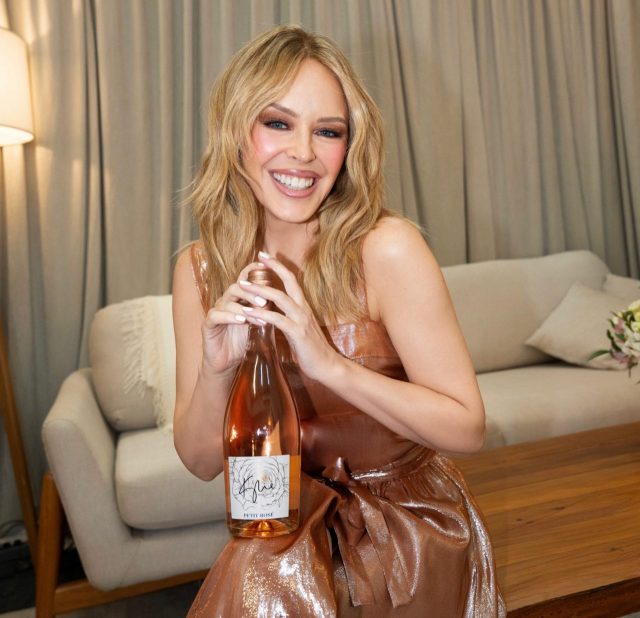
With a 7% ABV, Kylie Petite Rosé – from ‘princess of pop’ Kylie Minogue – is the UK’s best-seller in the emerging mid-strength sector, and by some margin, with listings in the nation’s leading supermarkets, where the product is priced around £8.
But a new name has joined the fray, also with a 7% rosé, and that’s UK Olympic champion Dame Jessica Ennis-Hill, who in May unveiled Seven Summers – a dealcoholised pink wine from Provence, priced at £12.50.
Commenting on the launch, she said, “I wanted a rosé that I would genuinely choose to drink – not one I had to settle for”, adding that “this is about balance: something beautifully made, but lighter for modern life.”
6%, 7% and 8.5% labels
And Ennis-Hill and Kylie are far from alone in the sector, with mid-strength products from well-known wine brands McGuigan and 19 Crimes – both at 7% – as well as Casillero del Diablo, with its BeLight, at 8.5% ABV.
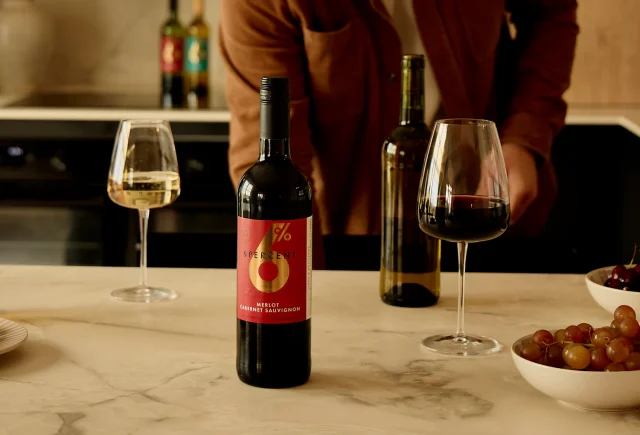
There’s even a new wine label and company marketed on its ABV, with the brand and company called 6% (pictured, bottom), featuring a white, red and most recently rosé, all from Bordeaux – promising, according to its website, ‘Sociable evenings, better mornings’.
But are UK drinkers buying wine based on its ABV? The man behind Kylie Minogue Wines, Paul Schaafsma – who is MD of Benchmark Drinks – believes that consumers are not consciously choosing wine based on its ABV, even if they like the fact the alcohol level is lower.
Sainsbury’s takes the lead
While the category has been formally recognised by Sainsbury’s, which was the first UK retailer to create a dedicated mid-strength bay, Schaafsma told db in late May that mid-strength has effectively existed for years without anyone flagging it — Barefoot White Zinfandel sits around 8% ABV and has never marketed that fact, and lower-alcohol Rieslings have always occupied that space quietly.
His argument is that wine is bought as a treat or pleasure, so telling someone they’re drinking ‘mid strength’ may actually be off-putting – people would rather have full-strength or zero, not something in between.
“The consumer doesn’t want to see mid strength on the label,” he stated, adding, “When you say you’re drinking mid strength wine, the consumer actually switches off.”
Light, not low-alc
He suggests a different approach: calling a wine “light” or using an evocative name (he cites their own “Petit Rosé,” a term chosen deliberately over “low alcohol rosé”), which draws in consumers without feeling they’re being sold a health product.
“Light is the key word – they buy into that,” said Schaafsma. “They don’t buy into being told that they’re having to drink healthy alcohol,” he added, before commenting, “Almost the message is: don’t tell the consumer about it, and they’ll love it.”

Partner Content
Zero or standard strength
Asked whether Gen Z’s moderation trend is really health-driven or just a retailer/price-point effect, Schaafsma is unambiguous: “There’s demand for zero-alcohol and for wines that fit a lifestyle, but no distinct market actively seeking ‘mid strength’.”
Consumers respond to a wine feeling lighter – often describing fuller-body styles like Chardonnay as “heavy” without any technical understanding of why — so success lies in adjusting style and messaging to that perception rather than pushing alcohol data at them, according to Schaafsma.
“There is not a demand specifically for lower alcohol; there’s a demand for zero,” he said. “There is not a set market out there… saying, where’s my mid strength wine?
“We’ve got to play to the nuances of the way they think about wine… rather than what we’re trying to tell them from a technical perspective,” he commented.
Duty is UK driver of lower abv
On wine duty in the UK, which is now set according to 0.5% ABV bands, Schaafsma said that it was a real driver for producers pushing towards 9-10% abv. As previously analysed by db, since February 2025, when the UK replaced its flat duty rate with a graduated system tied to alcohol strength, a small difference in ABV can translate into a significant shift in retail price – enough to push a wine across a key price threshold and directly affect sales volume.
However, Schaafsma schooled against overcorrecting – suggesting that if producers drop the alcohol too fast to hit a price point they risked damaging the brand.
Meanwhile, commenting on the success of Kylie’s Petit Rosé, he said that it has been selling around 1,000 cases a week in Tesco, when discussing sales with db just over a month ago. However, he also noted that the mid-strength range extension remains well behind the flagship standard ABV Signature Rosé, which sells as much as 3,500 cases per week, with Kylie’s Prosecco not far behind.
ABV-led brand expanding
In sharp contrast, at May’s London Wine Fair, db spoke with Russell and Gabriella Lamb, co-founders of a brand marketed according to ABV, called 6%.
They’ve deliberately avoided any apologetic “lower alcohol” framing – leading with ABV and calorie content as a badge rather than a caveat, and aiming to own the mid-strength space rather than quietly occupy it.
They reported a strong market reaction. “We’ve recently launched in Ocado and the sales are going really, really well and the whole brand is built around the ABV,” said the co-founders. “Everyone we speak to can’t believe that this product doesn’t exist… telling us, ‘I want to enjoy my wine and I don’t want to feel rubbish the next day’.”
Currently 6% comprises a white, red and rosé, with a sparkling due to join these still wines in time for Christmas.
It’s a split that captures where the category currently stands: one camp betting that consumers will only embrace mid-strength if it’s never named as such, the other betting they’ll buy in precisely because it is. Both seem to be working – even if it’s Kylie’s Petit Rosé that’s far out in front. But the differing approaches suggest that for now, there’s more than one way to win in the space between full-strength and zero.
Related news
Olympian Jessica Ennis-Hill taps into mid-strength wine boom with 7% rosé


