



US restaurants pushing wine markups to six times cost
Restaurant wine pricing in the US has become “a particular pain point” for the category, with some venues now taking six-times markups on bottles, according to Gino Colangelo, founder and president of Colangelo & Partners, the New York-based wine PR agency.
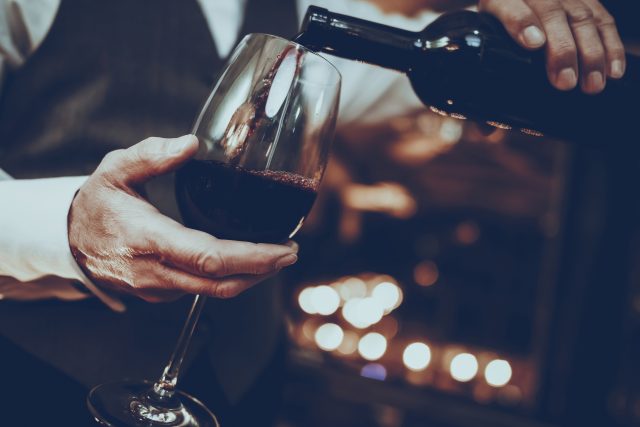
Speaking on The Drinks Business Podcast to mark the agency’s 20th anniversary, Colangelo said the old industry convention was for restaurants to recoup the full cost of a bottle on the first glass poured, effectively a four-times markup across the bottle as a whole. That benchmark has now shifted upward in cities such as New York.
“Now restaurants are taking six times markup,” he said, pointing to a real-world example of a Prosecco with a wholesale cost of around €1.70 a bottle appearing on a New York wine list at $60. “Prosecco producers are flabbergasted… it’s like, how can my wine be $60 a bottle?”
Discouraging drinking
Colangelo attributed the trend to rent and staffing costs rising since the pandemic. Wine, he suggested, has become an easy line for operators to push margin through. “If I can get $12 for a glass, why can’t I get $14? Why can’t I get $16?” he said, describing the logic at play.
He argued that by-the-glass pricing at these levels is actively discouraging entry-level drinkers from engaging with wine at all, and contrasted the US market with his own experience of wine as a shared, sociable product. Ordering a bottle for the table, he said, has become “a strange experience” for younger diners more used to paying by the glass.
Colangelo cited a further example from a Chilean restaurant in downtown Manhattan where, despite reasonable food pricing, the least expensive bottle on the wine list was $100.
Partner Content

The rise of ‘pre-loading’
The consequence, he warned, is a shift in consumer behaviour that further squeezes on-trade wine sales: increasing numbers of Americans are now drinking at home before heading out – so-called “preloading” – specifically to avoid paying inflated markups on wine and cocktails once at the table.
Colangelo’s account is backed by industry data. On-trade wine sales in the US have fallen by around a quarter since 2019, according to figures from Southern Glazer’s Wine and Spirits, the country’s largest wine and spirits distributor, reported by db in May.
NielsenIQ data cited in the same report shows wine’s dollar share of the on-premise channel down 0.3% over the past year, a period in which ready-to-drink cocktails gained share, and the broader pool of US fine-dining outlets continues to shrink.
Meanwhile, more than 75% of wine drinkers have told the US’s Wine Market Council that they are unwilling to pay more than $16 for a glass of wine in a restaurant.
Margins up, but sales down
Asked whether restaurants should rebalance margins – raising them on food and lowering them on wine – Colangelo declined to prescribe a fix, noting he is not a restaurateur and cannot speak to the underlying economics of running one. But he was clear on the commercial risk of the current approach: “If people stop drinking in your restaurant because your prices are prohibitive, then it’s a very short-sighted way to approach pricing.”
His proposed remedy calls for closer coordination between producers, importers, distributors and restaurateurs to create more accessible by-the-glass options – for example wine priced at $10–11, potentially bundled with a food pairing – alongside more approachable opening price points on bottle lists, rather than entry bottles starting at $80 or more.
Certainly, db has reported that sommeliers and beverage directors at several major US restaurant groups are already responding along the lines Colangelo describes, steering guests toward well-priced regions such as the Loire rather than trophy bottles; offering smaller, more flexible pours to encourage exploration, and promoting competitively priced sparkling and white wine as a growth pocket even as overall on-trade wine sales decline.


