



Patrick Schmitt MW: Don’t dilute rosé’s success
Among the wine sector’s few success stories right now is rosé – but a stylistic drift towards excessive leanness could damage the balance that built its appeal, argues Patrick Schmitt MW.
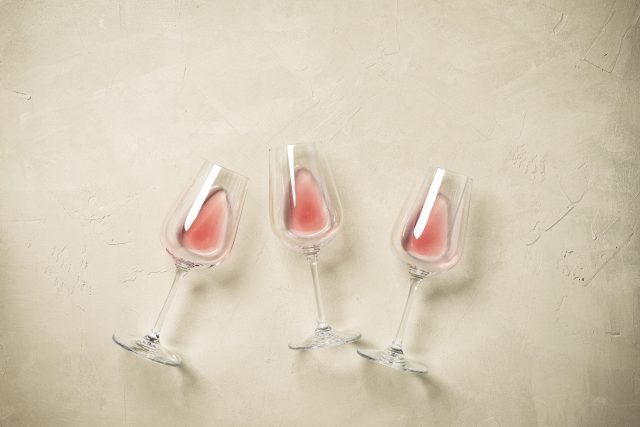
One would be unwise to ignore the current woes of the wine trade. Oversupply continues to afflict many established regions. Anti-alcohol sentiment is rife. And moderation – along with abstinence, driven by dieting trends and the uptake of GLP-1 drugs – is affecting consumption across a wide range of age groups.
But if wine is really losing its appeal, how does one explain the success of rosé? Seemingly loved by everyone at every life stage, pink wine – especially if it’s pale, dry, and from Provence – is very much in vogue. High-profile drinkers at the older end of the spectrum include Jeremy Clarkson and Kylie Minogue, with the Princess of Pop backing one of the UK’s best-selling rosés, while younger pink wine drinkers include Kylie Jenner and Post Malone, the latter now behind the Provençal label Maison No. 9.
Good rosé offers pleasure and balance
What has rosé got going for it that other wines haven’t? That’s the subject of this month’s magazine, which examines the elements driving pink wine’s popularity – largely from a marketing perspective. Rosé’s Instagrammable appearance is key to its success, but so is the way it tastes. For the most part, it has struck an appealing middle ground between refreshing and fruity in a way few other wines manage – and it’s done so without being sweet. In essence, good rosé is dry and mouthwatering, but soft. There’s some weight on the mid-palate, helped along by flavours of red berries and white-fleshed stone fruit, yet the finish remains crisp, often with a subtle touch of bitter lemon. It’s a wine of pleasure and balance – not necessarily complex, but neither as divisive as Sauvignon Blanc nor as delicate as Pinot Grigio.
It’s also largely devoid of tannins, which can be a challenge for reds when drunk without fatty foods. Yet the structure of a well-made rosé is such that it can partner light meals just as readily as it serves as an aperitif.
Partner Content
I do have one concern, however: a stylistic drift I’ve detected in some rosés, even at the pricier end of the category – a move towards lightness at the expense of taste and texture. Whatever the cause – higher yields, earlier picking, shorter macerations – I noticed in our comprehensive May blind tasting competition, The Global Rosé Masters, that many rosés were leaner this year. Sometimes herbaceous. Often a little hard.
Soft and dry, not skinny
I remember Chardonnay going through a similar phase – getting skinny. It got wine professionals talking about the grape’s “new wave” and “cool-climate” reinvention, but consumers didn’t take to it. The pendulum swing away from excessively broad, buttery, oaky Chardonnay had gone too far the other way. Much of the rosé sold in markets such as the UK was off-dry 20 years ago; the present success of the benchmark brands rests on balance – soft without being sweet, fresh without being thin. Let’s not change that.
As for the marketing, please keep the inventiveness alive – as seen in recent developments, from Queen drummer Roger Taylor’s Cuvée Rock ‘n’ Roll to Château La Coste’s partnership with the artist Damien Hirst. And by all means keep experimenting in the winery too, particularly at the top end, where rosé is proving it can be fine as well as fun. But for the everyday offering, don’t diminish the taste and texture. Keep the ripe fruit flavours. Keep the moderate ABVs. And remember: if a drinker wants a more diluted experience, they’ll add ice themselves – a serve the trade shouldn’t decry. It’s just one more reason for rosé’s success.
Read more
Nearly half of men would rather have a glass of rosé than a pint of beer
Related news
Princess Diana's niece launches luxury rosé


