



Latest figures show decline for French organic drinks
Though the organic sector overall is growing in France, the official statistics for 2025 show that alcoholic beverages are the only categories shrinking, with two powerhouse regions driving the decline.
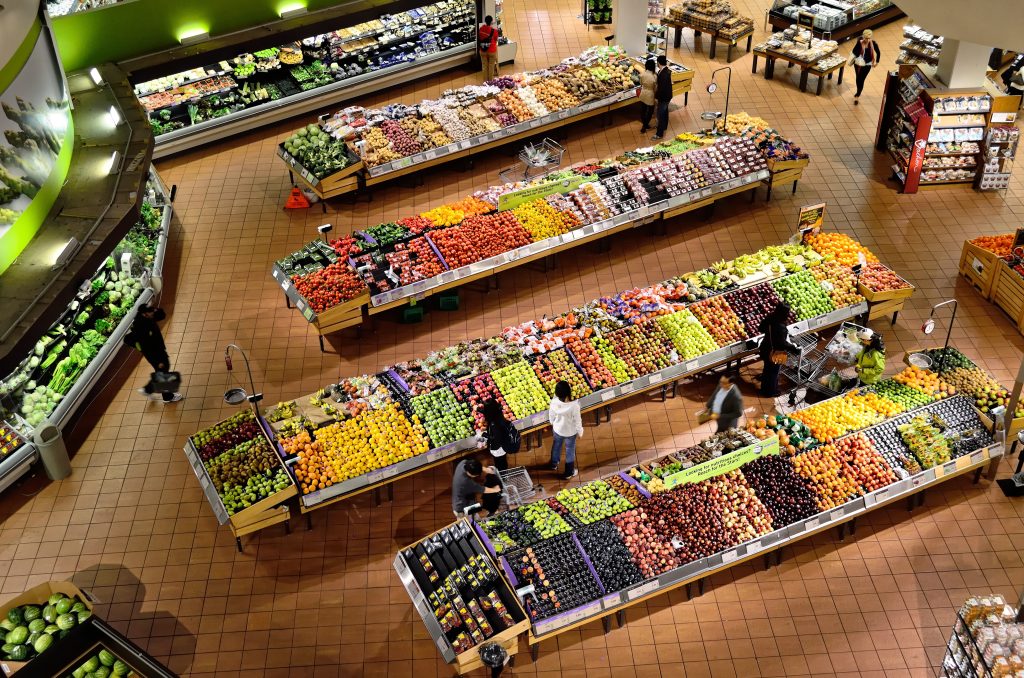
Agence Bio (the French agency for the development and promotion of organic farming) has released its latest report into the production and sale of organic food and drink in France, assessing the entire sector in the 2025 calendar year.
The overall picture is one of growth, with total sales at €12.6 billion and a year-on-year growth rate of 3.6%, but sales of organic wine in France fell by 2.4% between January and December 2025, while sales of other organic drinks fell by 0.5%. In the previous three reports, organic wine recorded value growth.
Its weakness in 2025 has had a knock-on effect, with lower than expected growth in organic sales for small businesses. The majority of organic wine sales come from such enterprises (38%) and direct sales (40%).
At a regional level, two winemaking hubs experienced marked declines. Nouvelle-Aquitaine, including Bordeaux, recorded a 13% decline in organic producers and a 19% drop in hectarage that is certified organic or in conversion. On the same metrics, Occitanie (which includes the Languedoc) saw falls of 5% and 11% respectively.
This may well concern onlookers, given the two regions’ prominence. Occitanie is the largest wine producing region in France, and has long been associated with organic production. For instance, it hosts Millésime Bio, the world’s largest organic wine fair, in Montpellier. Bordeaux, meanwhile, has a wetter climate and is less naturally suited to organic viticulture, but nonetheless is France’s second largest wine producing region and a centre for high value production.
Partner Content
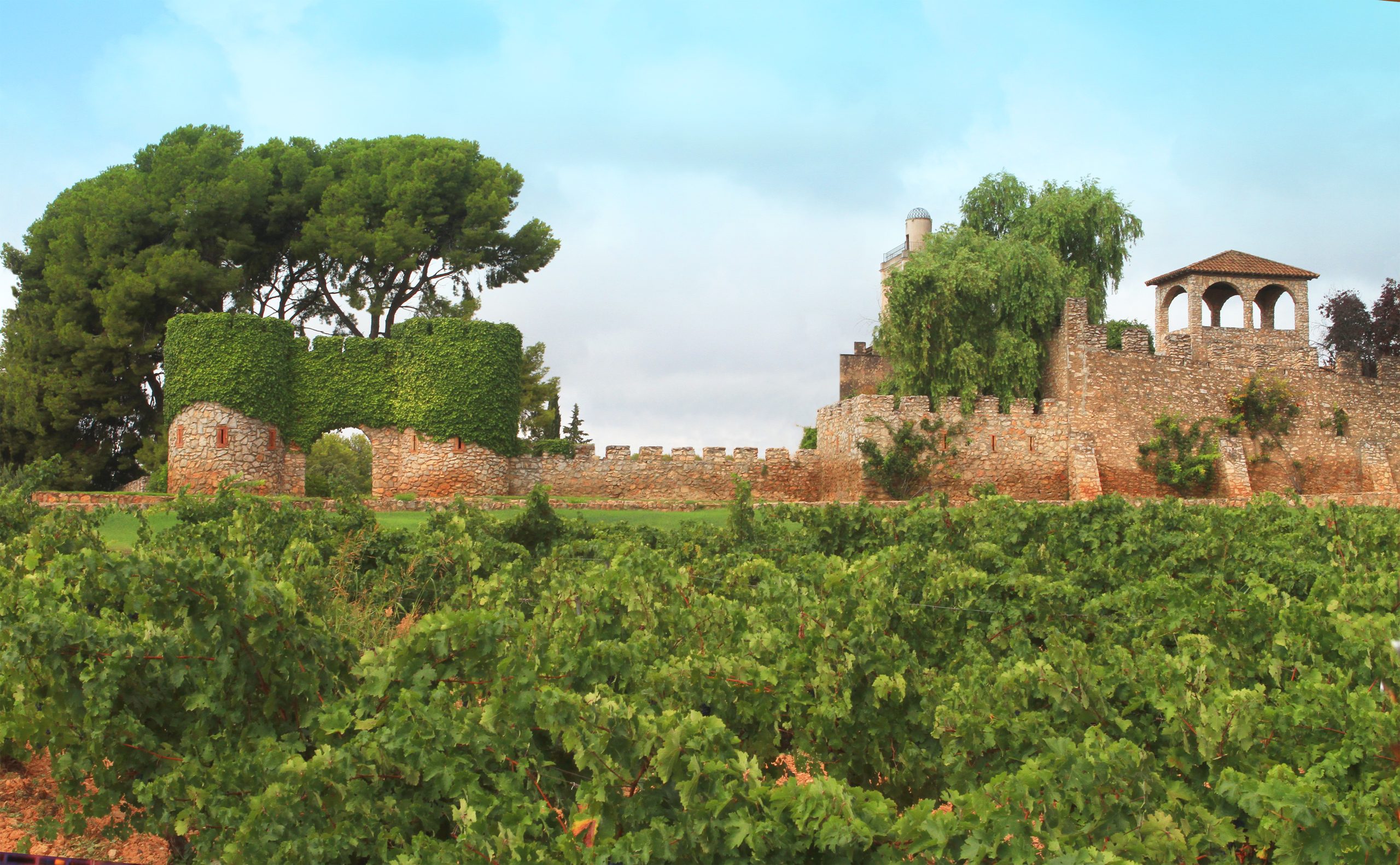
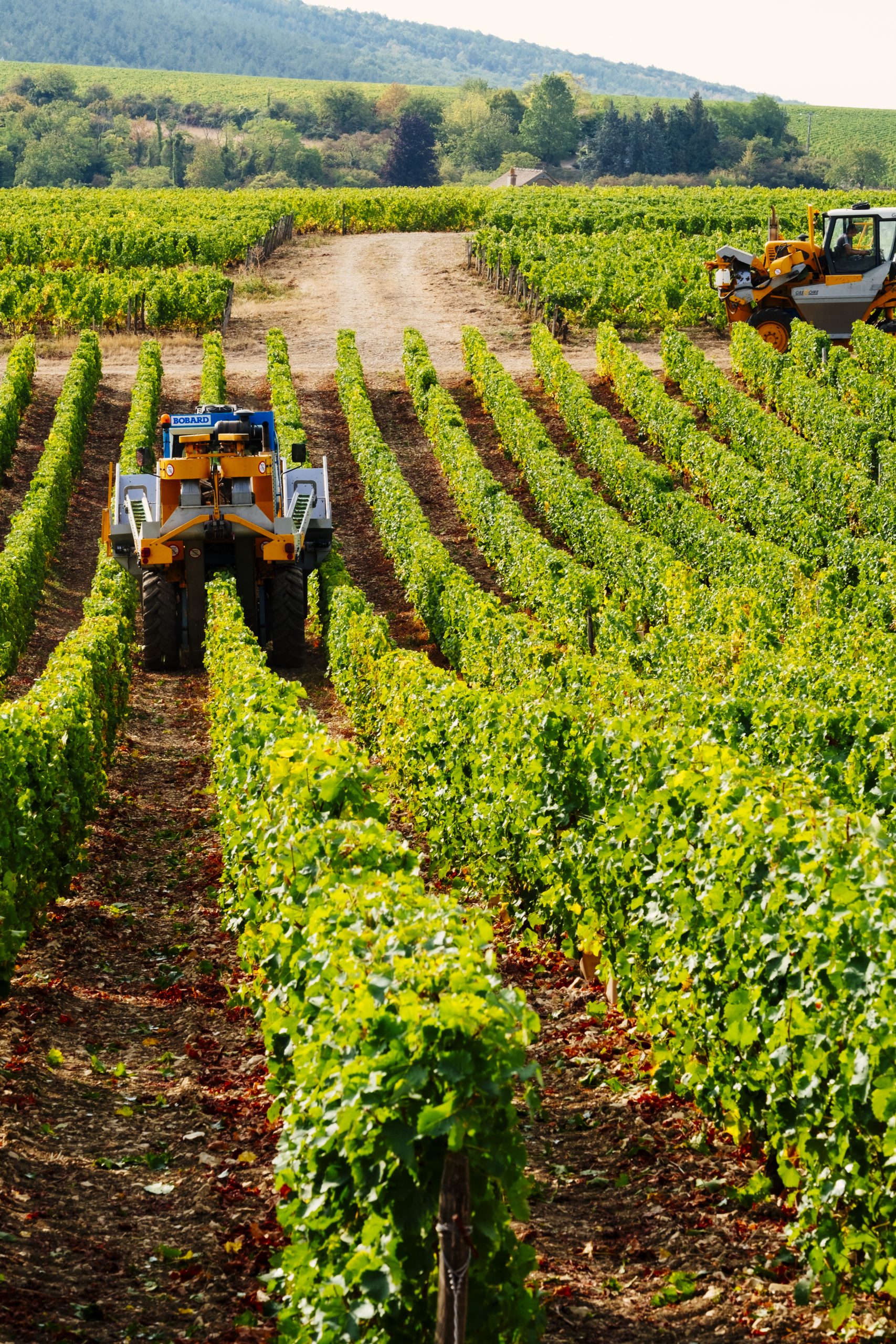
There is, however, some positive news to be found within the figures. From a small base, three minor regions saw a dramatic increase in the area of vineyards farmed organically: Île-de-France (+23%), Normandy (+49%) and Brittany (+54%). This is, however, a drop in the ocean: an increase of 100ha, compared to the overall figure for 2025 of 151,933.
The bigger picture
Although the drinks sector did not match overall growth, the figures show where France is driving its growth. The two largest categories for organic produce – sweet grocery items and dairy products – grew by 4.2% and 5.3% respectively. Together, those two categories alone accounted for more than €4bn in 2025.
The largest growing sector, meanwhile, was fruits: sales increased by 7.8% to €1.019bn. That market has more than doubled since 2015, when it amounted to €486 million.
On a European level, France remains one of the leading organic producers, though not quite topping the charts on any of the core metrics. Germany leads in terms of domestic market, at more than €18bn, while Spain has the largest area farmed with organic methods (2.94m hectares in 2024). Austria leads the pack in two proportional measures: it has the largest percentage of agricultural land (27.2%) and the largest domestic market share for organic food (11.9%).
In the report’s conclusions, however, it highlights that production and market size are diverging in their growth. While most European nations are seeing their consumption rise quickly, that is not matched by their domestic production, which is mostly stagnating or even declining. The only nations, according to Agence Bio, with real growth in their organic production are the UK, the Netherlands and Switzerland.
Related news
Westgarth Wines expands fine wine business into Europe with new hire


