



Costco recalls plants potentially infested with grape-killing pests
California officials are urging Costco customers who recently bought desert willow plants to check them for signs of an invasive insect capable of spreading a disease that can kill grapevines and threaten the state’s $73bn (£54bn) wine industry.
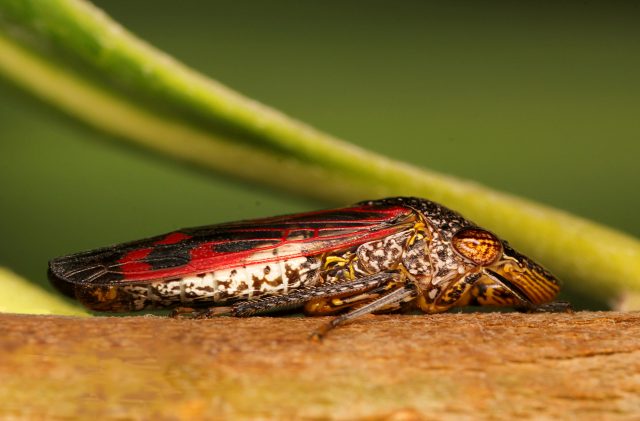
The warning applies to desert willow plants sold at Costco stores between 24 June and 3 July, after eggs from the glassy-winged sharpshooter were discovered on some of the plants.
The insect is considered a major agricultural pest because it can spread Pierce’s disease, a bacterial infection that is often fatal to grapevines.
The glassy-winged sharpshooter, a large leafhopper native to the southeastern United States and northeastern Mexico, feeds on plant sap. As it moves between plants, it can transmit Xylella fastidiosa, the bacterium that causes Pierce’s disease.
According to the US Department of Agriculture (USDA), there is no cure for the disease. Once infected vines begin showing symptoms, they must be removed and destroyed to prevent the infection spreading further.
Pierce’s disease blocks a plant’s water-conducting system, causing leaves to discolour, grapes to shrivel and vines to eventually die.
Partner Content




A threat to California’s wine industry
The discovery marks the second time this year that the pest has been linked to plants sold through Costco. Earlier in 2026, glassy-winged sharpshooters were also found on grapevines sold by the retailer.
Costco has written to affected customers, advising anyone who purchased a desert willow during the affected period to inspect the plant carefully and follow guidance from local agricultural authorities.
Officials advise customers who have already planted the tree to try to isolate it and contact their county agricultural commissioner’s office immediately for instructions.
If the plant is to be disposed of, authorities advise placing it in two sealed bags before throwing it in the household rubbish. It should not be placed in compost, where the insect could spread further.
California’s wine industry, worth an estimated $73bn (£54bn) annually, is particularly vulnerable to Pierce’s disease, making efforts to contain the glassy-winged sharpshooter a top priority for state agricultural officials.
Related news
Freemark Abbey opens up the library


