



Bollinger launches PNAYC21
Bollinger has launched the seventh version of its 100% Pinot Noir series, PNAYC21, the second such wine to come mostly from its home cru of Aÿ, after PNAYC18 – but there the similarities end, writes Giles Fallowfield.
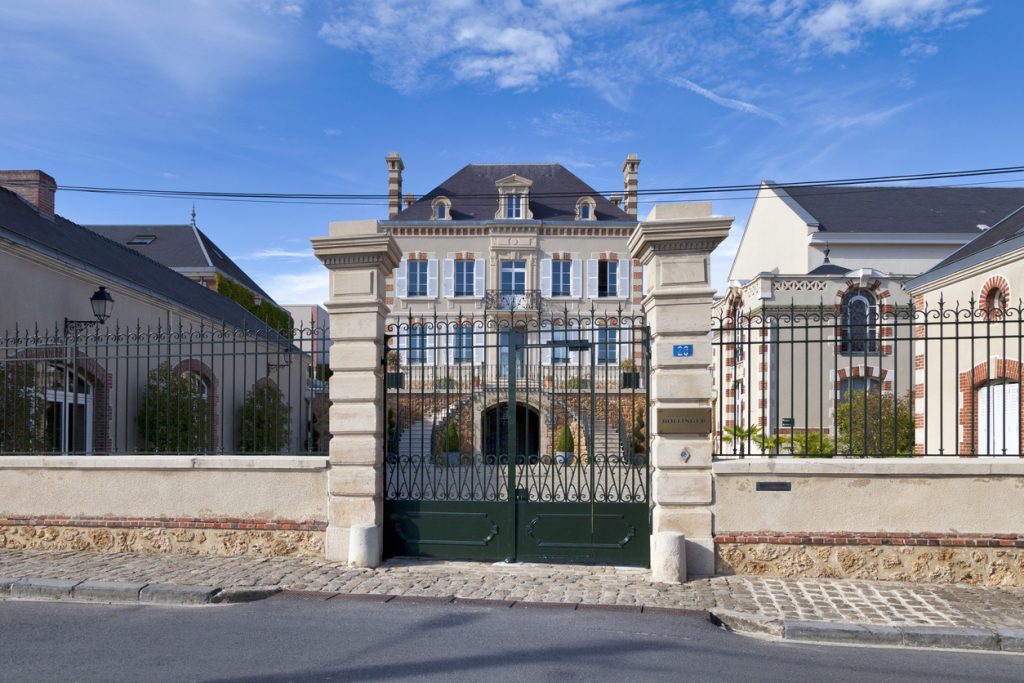
The two harvest bases could hardly have been more different: The 2018 summer was gloriously sunny and warm with temperatures well above average, plus more than 750 hours of sunshine between April and June, compared with the seasonal average of 630 hours. It was, at the time, the earliest ever harvest, with picking starting in Ambonnay on the 17 August.
The harvest in 2021, however, was “traumatic and extremely challenging following the beautiful 2020 harvest,” family member Cyril Delarue, Bollinger’s global sales director said. “After a cold winter we had spring frosts, then oidium set in. We also mildew and sunburn with botrytis issues following in the actual harvest.”
When I talked to then chef de cave Denis Bunner immediately after the [2021] harvest, he said they had “lost 30% of the potential volume in April because of frost, a further 30% in July thanks to the mildew and a few more % due to botrytis”.
Delarue continued that the average yield “was done to 6,000kgs/ha”.
“We didn’t make a vintage but although it was challenging, we made the best expression of the vintage possible” in the shape of PNAYC21, he said.
Contrasting years
The 51% of the blend from the base year is made up of a majority of Aÿ fruit, along with some from Tauxières and Mutigny, plus 49% reserve wine, 25% of which comes from the reserve magnums, rom the 2014, 2013 and 2012 harvests. There’s also some 2019 in the blend.
By contrast, the previous Aÿ based PN from 2018 used additional wine from Tauxières and Verzenay, on the north facing side of the Montagne de Reims, with the oldest reserve wine going back to 2009.
Coming from a very ripe, warm harvest, the dosage used back then was just 6gm/l (and therefore Extra Brut) whereas the dosage for the ‘21 is rather higher at 8g/l.
Partner Content
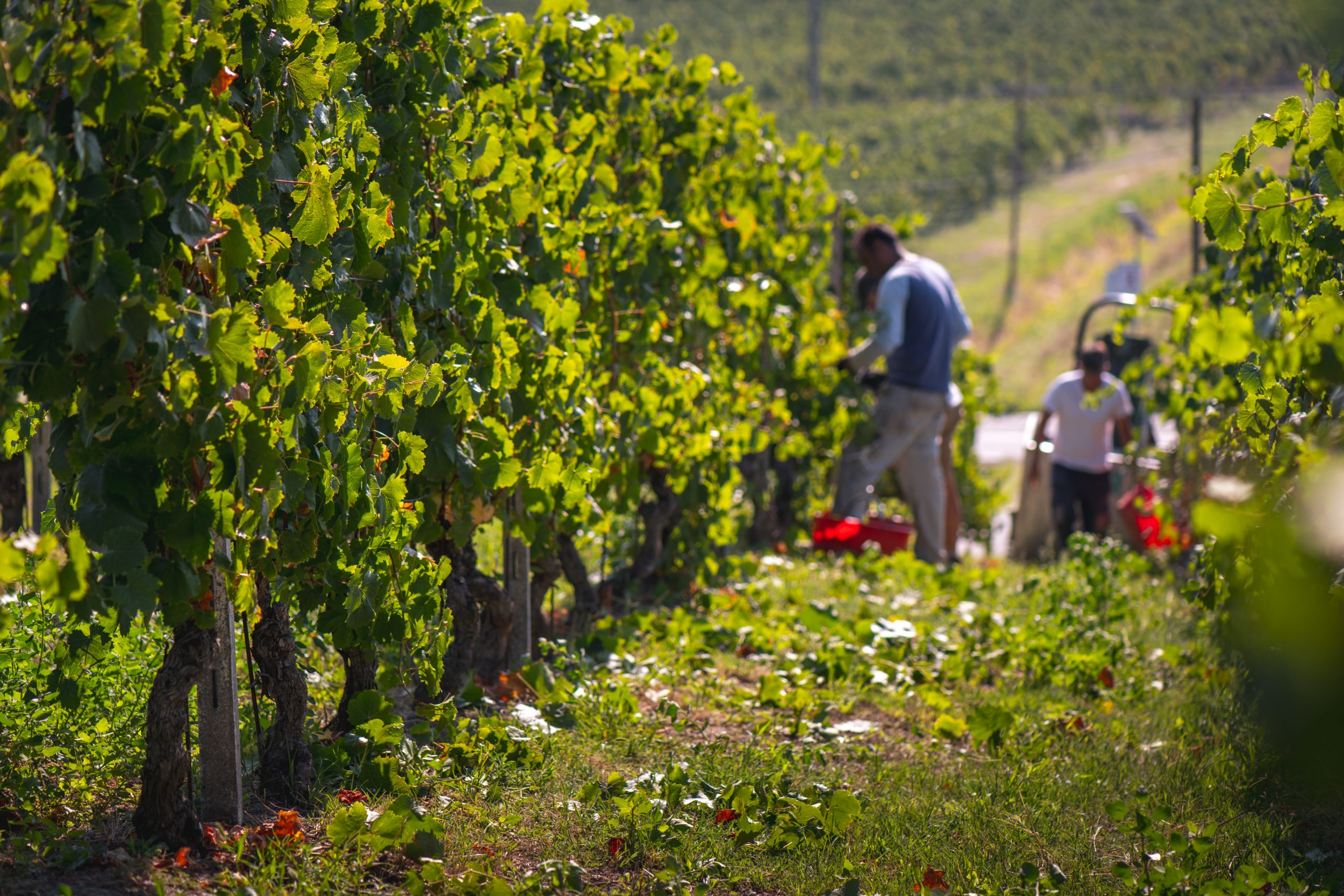
They were picked about a month apart with the 2021 Pinot reaching 10deg of potential alcohol, with Bunner noting, “it was better to pick at 10deg than wait for more [ripeness], but risk more issues with botrytis”.
Bunner noted at the time that Bollinger had good results from Aÿ for Pinot Noir and Cuis for Chardonnay in ’21.
“Aÿ was the obvious choice as the base year for the ‘21 Blanc de Noirs,” Delarue said. “A naturally full bodied and rich cru, it doesn’t need much blending because it’s good on its own.” Some of the north facing crus in the Montagne de Reims that Bollinger often uses in its blends, partly to add a lifting freshness, had more problems in 2021. The grapefruit citrus edge that Verzenay often gives is however there in the wine’s fresh initial attack, which goes delightfully with the grilled turbot served at lunch in JUL’S in St James.
Fine food wines
We were also treated to PNVZ19 and PNAYC18 served in magnum, which demonstrated further what fine food wines this PN series produces.
It will be interesting to see if, in the future, these Blanc de Noir wines all come from just one single cru that’s named on the bottle. This would of course make sense, and was the original plan. And now that Bollinger has significantly increased the stock of reserve magnums it keeps with the new barrel room, growing in size from 5,000sq meters to 8,000sq with capacity increasing from 3,000 to 5,000 barrels, that should be possible in future – although the temptation to blend in a little of something to make a “better wine” will always be there.
Many years ago at the London launch of Bollinger’s Grande Année 1992 the then CEO of the house Ghislain Montgolfier provocatively suggested that if blending in a little of another vintage in La Grande Année made a better wine, why not do it. In its present format the PN series allows for that blending of different vintages to add complexity and depth, and that’s part of its strength.
PNAYC21 is widely available from wine merchants.
Previous incarnations:
- PNVZ15: the first version
- PNVZ16: the 2nd version
- PNTX17: the 3rd version
- PNAYC18: the 4th version
- PNVZ19: the 5th version
- PNTX20: the 6th version
- PNAYC21: the 7th version
Related news
#WeekInPictures: Dom Pérignon, Bollinger and old vines
Bollinger appoints Émilien Boutillat as cellar master
Champagne Bollinger launches latest vintage with lavish Ritz restaurant takeover


