



When frost strikes, Château Clarke brings in the sheep
Each year, frost poses a serious threat to the vineyards of Bordeaux’s Left Bank. To protect vines from dangerously cold conditions, wineries rely on an array of methods, from plows and wind machines to helicopters. Yet this year, one of the region’s most prestigious estates, Château Clarke, achieved a remarkable 2°C increase in temperature using a far more unconventional solution: a flock of woolly sheep.
In the cool spring months, overnight temperatures in the Médoc, a subregion of Bordeaux, can dip below freezing, making frost a real and critical threat for young, tender buds.
While the region’s proximity to the Gironde estuary provides a moderating maritime influence, inland parcels and low-lying zones remain vulnerable to sudden temperature drops that can wipe out entire yields. .
From wind machines to water sprinkling, ploughs and even helicopters, vineyards on Bordeaux’s Left Bank are well versed in mitigating chilly temperatures through innovative techniques in the vineyard.
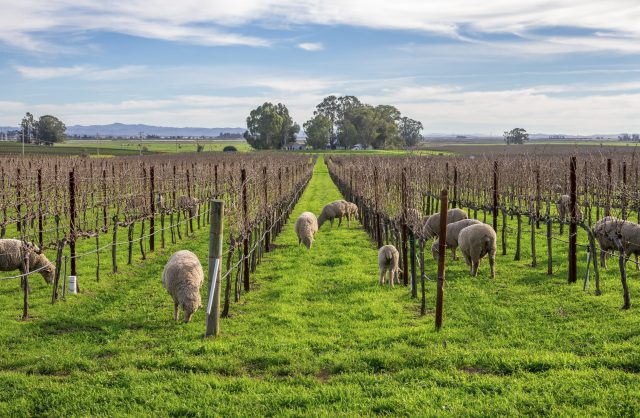
But one prestigious winery is using a very unconventional weapon to fight frost – a flock of woolly sheep.
Partner Content

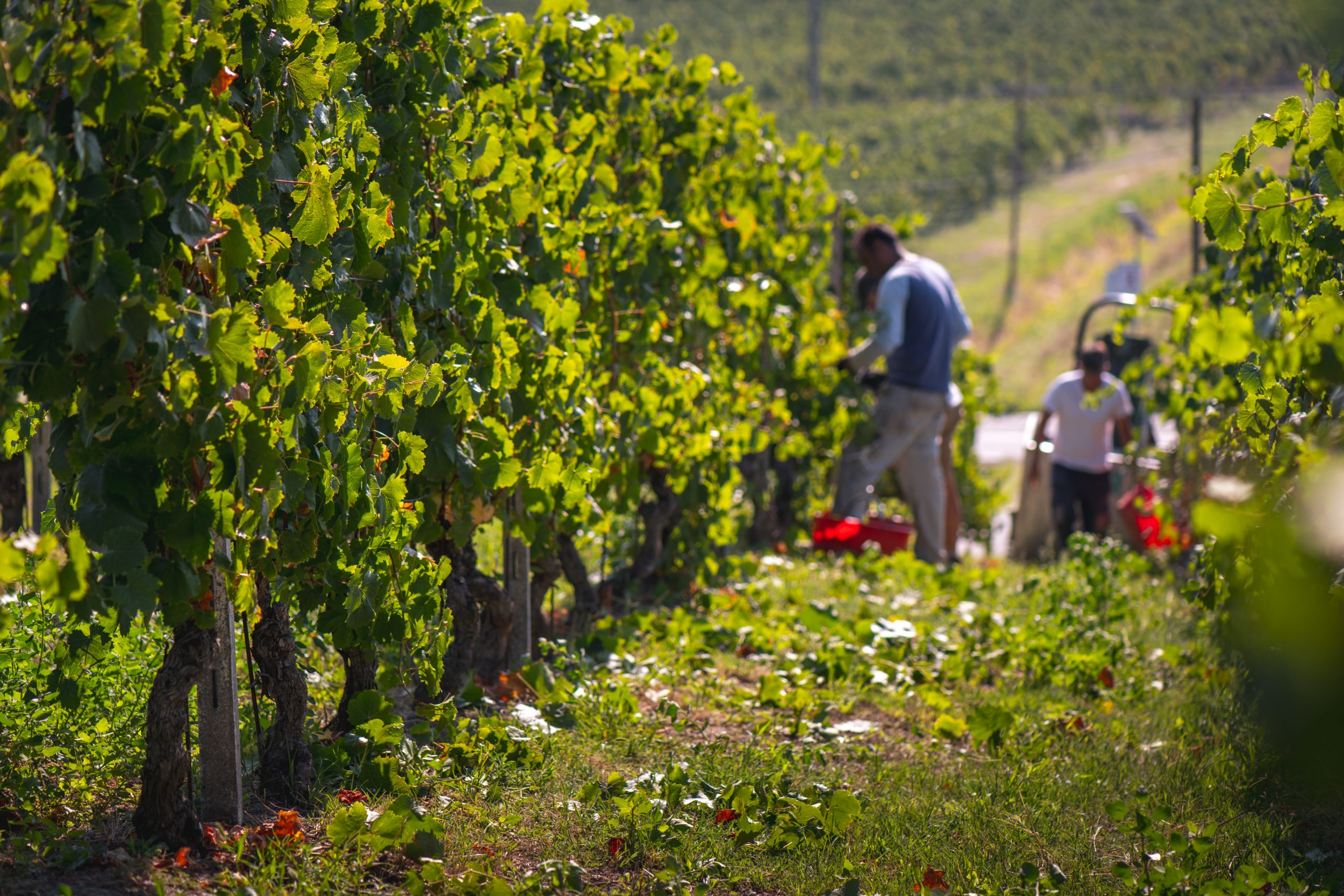
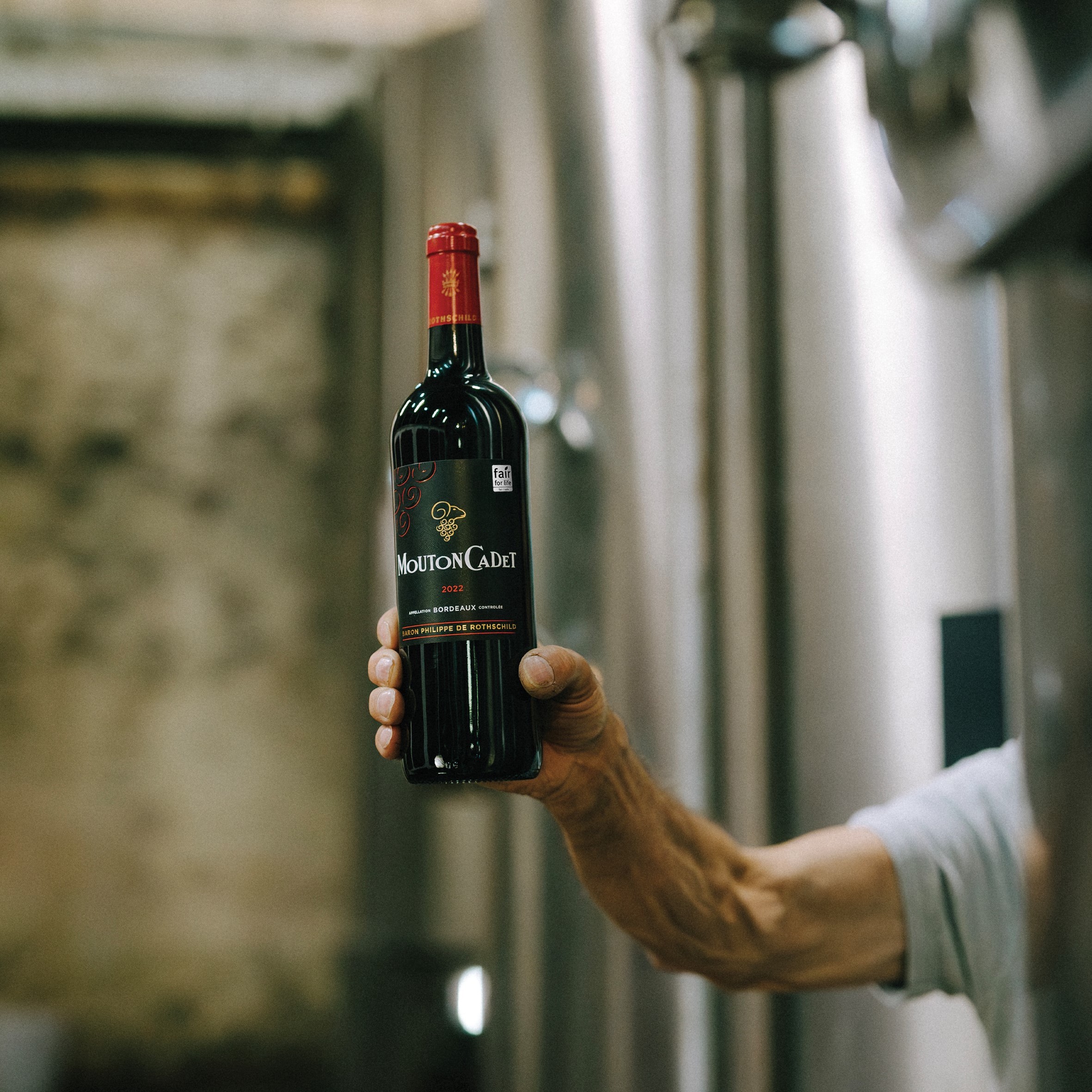
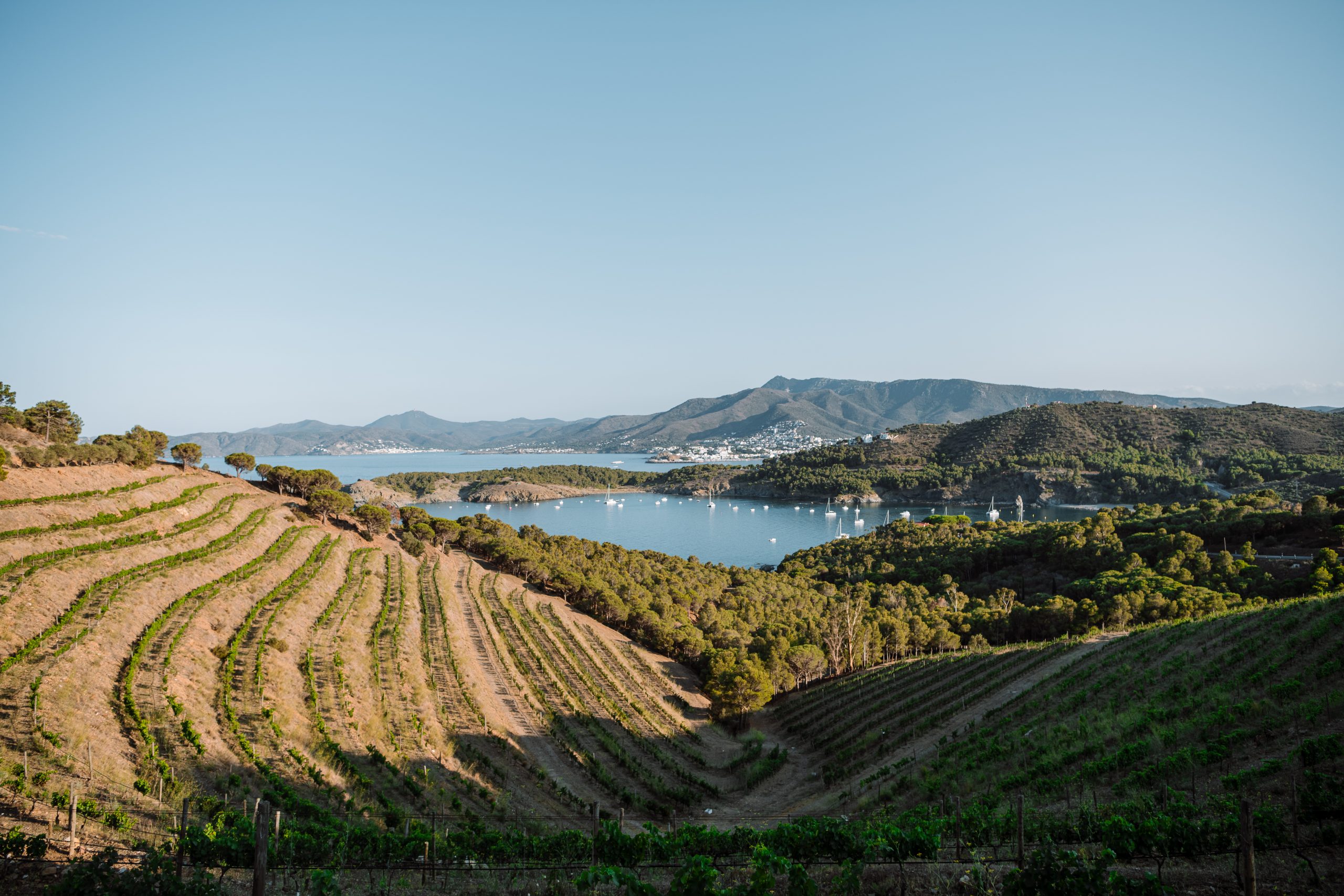
Each year, Château Clarke, a historic 54 hectare Cru Bourgeois property in the Listrac-Médoc AOC, deploys the fleecy creatures through its vineyard to raise the temperature of the soils, protecting the vines against frost.
Wolly weapons against icy weather
The animals heat the soils through grazing, which reduces shading and insulation at the winery, which was acquired by Baron Edmond de Rothschild in 1973. Through chomping on grass and compacting the ground with their hooves, they decrease biomass and alter the microclimate, which exposes the ground to sunlight, causing soil temperatures to climb.
This year, the sheep successfully raised the temperature of the soil by 2°C. Aside from two “very bad nights” in March, the vineyards have largely dodged damage, vineyard manager at Château Clarke, Lindsay Lemarchand, tells the drinks business.
“Preserving the soil from extensive damage and safeguarding it for the future is very important to us; having sheep in the vineyard during the winter truly helps us deliver on this philosophy,” she says.
The Château has been using sheep in its vineyards for four years. Wind towers and pots with candles are also placed between the vines to help to cut through the cold weather.
Related news
WineCap: which châteaux 'won' EP in terms of pricing?
Why innovation runs in the veins at Mouton Cadet
Château Cheval Blanc CFO appointed estate director at Domaine Beauséjour


