



Indian drinks group seeks level playing field ahead of tariff cuts
India’s leading alcohol industry body has urged state governments to review tax concessions for imported spirits before the first UK trade deal tariff reductions take effect next month. The group argues that existing state incentives, combined with lower import duties, could place domestic producers at a competitive disadvantage.
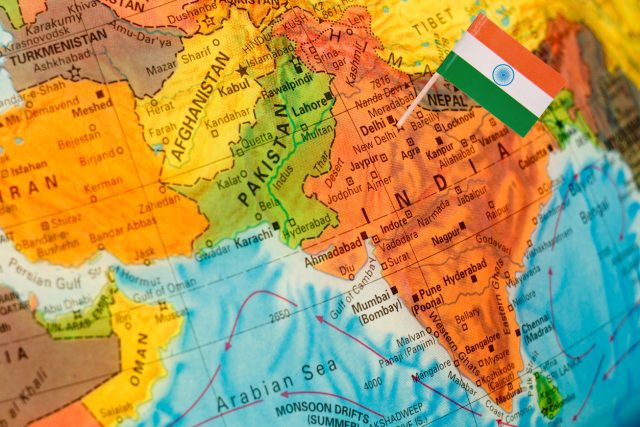
Ahead of the first stage of the Indian government’s tariff cuts coming into effect next month, the country’s leading alcohol industry group is urging state governments to remove tax and regulatory concessions that disadvantage them.
The first cut in import duties under the India-UK Comprehensive Economic and Trade Agreement takes effect on 15 July, but the Confederation of Indian Alcoholic Beverage Companies (CIABC) says the current system could give imported brands an extra edge over domestic producers.
CIABC supports the trade pact and recognises that the planned tariff cuts on imported spirits will be phased in over 10 years to allow local producers time to adjust.
Double advantage fears
However, it also contends that lower import duties on Scotch whisky could help Indian producers who use Scotch in bottled-in-India products and give them an extra advantage over those who distil locally.
It says several states already give favourable treatment to bottled-in-origin (BIO) products through lower excise duties, lower brand registration fees, lower VAT or sales taxes and easier market access than Indian-Made Foreign Liquor (IMFL).
The trade body says that as tariff cuts under the trade deal begin, those state-level concessions could create a “double advantage” for imported spirits.
It says that the states of Delhi, Haryana, Maharashtra, Madhya Pradesh, Odisha, Assam and Kerala all give concessions to BIO labels over Indian-made products.
Partner Content

State tax disparities highlighted
For instance, in Haryana, IMFL lines are hit by brand registration fees that can be up to 30 times higher than those applied to BIO products, along with VAT that is four times higher.
In Assam, CIABC said comparable Indian premium and luxury categories face local excise duties between 3.0 and 5.2 times higher than similar BIO products.
Anant S. Iyer, director general of CIABC, said state governments should review and withdraw preferential treatment for BIO products where it creates what he called a structural disadvantage for Indian-made brands.
He said the aim is not to limit consumer choice but to ensure fair competition between IMFL, bottled-in-India products and bottled-in-origin imports competing in the same premium segments.
Implications for the wider drinks market
The issue matters across the broader drinks business because changes in customs duties under the India-UK agreement, combined with state excise and VAT rules, could reshape pricing and market access for imported alcohol in India.
That could affect competition not only in spirits but also in premium beverage categories where wine and other imported drinks are sensitive to tax differences.
BIO lines comprise 25% of India’s premium and above segment, which includes Indian single malts, craft gins, blended whiskies and bottled-in-India Scotches.
With imported brands already growing in that part of the market, the group said neutral tax policy is critical for the future of Indian premium labels.
Related news
India’s beer sector 'positive' but climate and margin caution still evident


