



Why mezcal could be the spirit for wine lovers
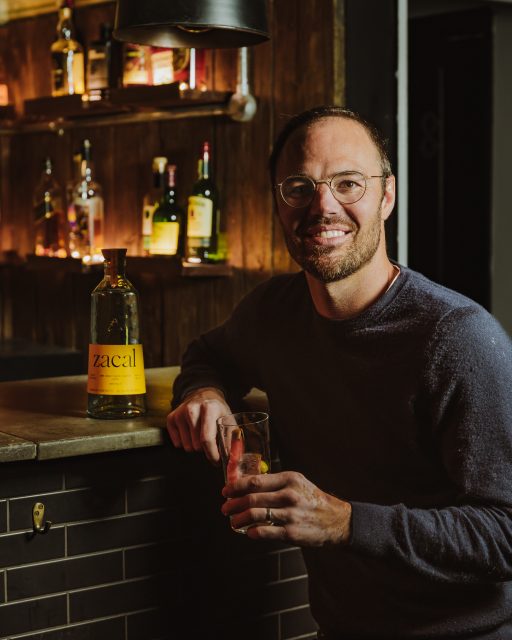
Could mezcal be the next spirit for wine lovers? Andrew Maidment, former marketing director of Wines of Argentina UK and co-founder of Zacal Mezcal, tells the db why agave has more in common with fine wine than many might think.
1. Terroir isn’t just a wine concept, it’s central to mezcal.
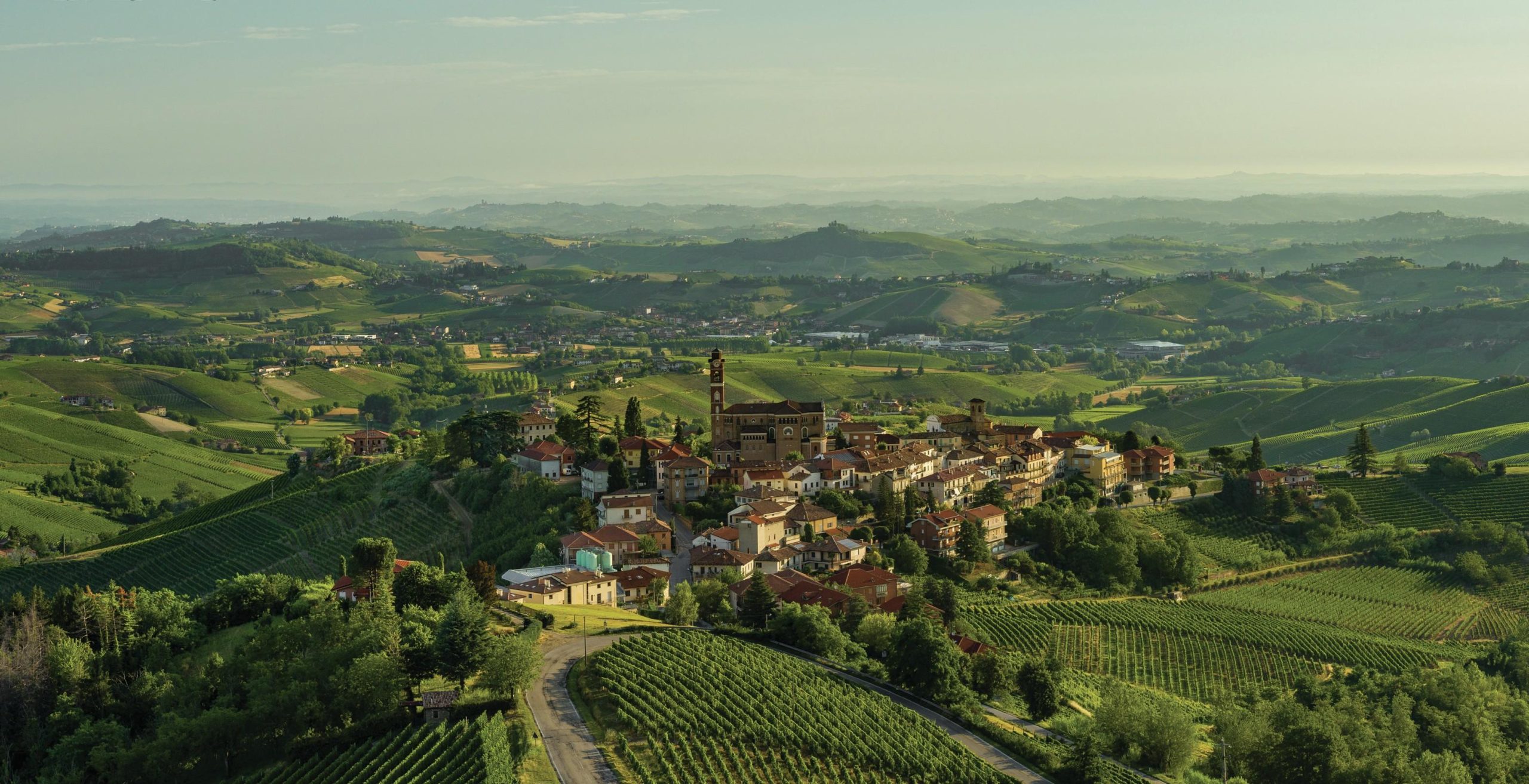
“Like with wine, a mezcal’s identity is shaped by soil, altitude and climate. Two Espadín agaves can taste completely different depending on which side of the hill they’re grown, which is down to factors such as microclimate, soil composition and local biodiversity.
Zacal’s agaves are cultivated in a high-altitude, hilly region of Michoacán, where volcanic soils infuse the agave natural minerality and elevated nutrients, particularly potassium, intensifying the sweetness and flavour complexity. The cooler climate slows the plants’ growth, producing a denser core and a richer concentration of sugars, much like slower-ripening grapes often yield more balanced, expressive wines.”
2. Varietal expression is remarkably nuanced – all from one plant.
“Gins feature 100s of different botanicals. Mezcal plays with just one plant – agave – and still creates an extraordinary range of flavours. There are 50 types of sub-species of agaves used in mezcal, each as expressive as grape varietals with its own structure, aromatic profile and personality. By contrast, tequila is made exclusively from just one variety – Blue Weber – meaning the scope for flavour variation is far more limited.
At Zacal, we use Manso de Sahuayo and Bruto, two rare and regionally specific agaves that are native to Michoacán. Manso is elegant, herbaceous and floral with a subtle sweetness; while Bruto brings a more robust, citric and earthy character. Each species, like grape varietals, are shaped by genetics, climate and cultivation, and each brings its own distinctive flavour profile to the final spirit.”
3. Mezcal, like fine wine, is a product of craft – not consistency.
“Oenophiles are used to celebrating vintage variation. Similarly, mezcal isn’t made to taste identical from batch to batch. It’s crafted in small volumes, often by families who have been working the land for generations – using traditional methods that prioritise flavour and integrity over uniformity.
Partner Content
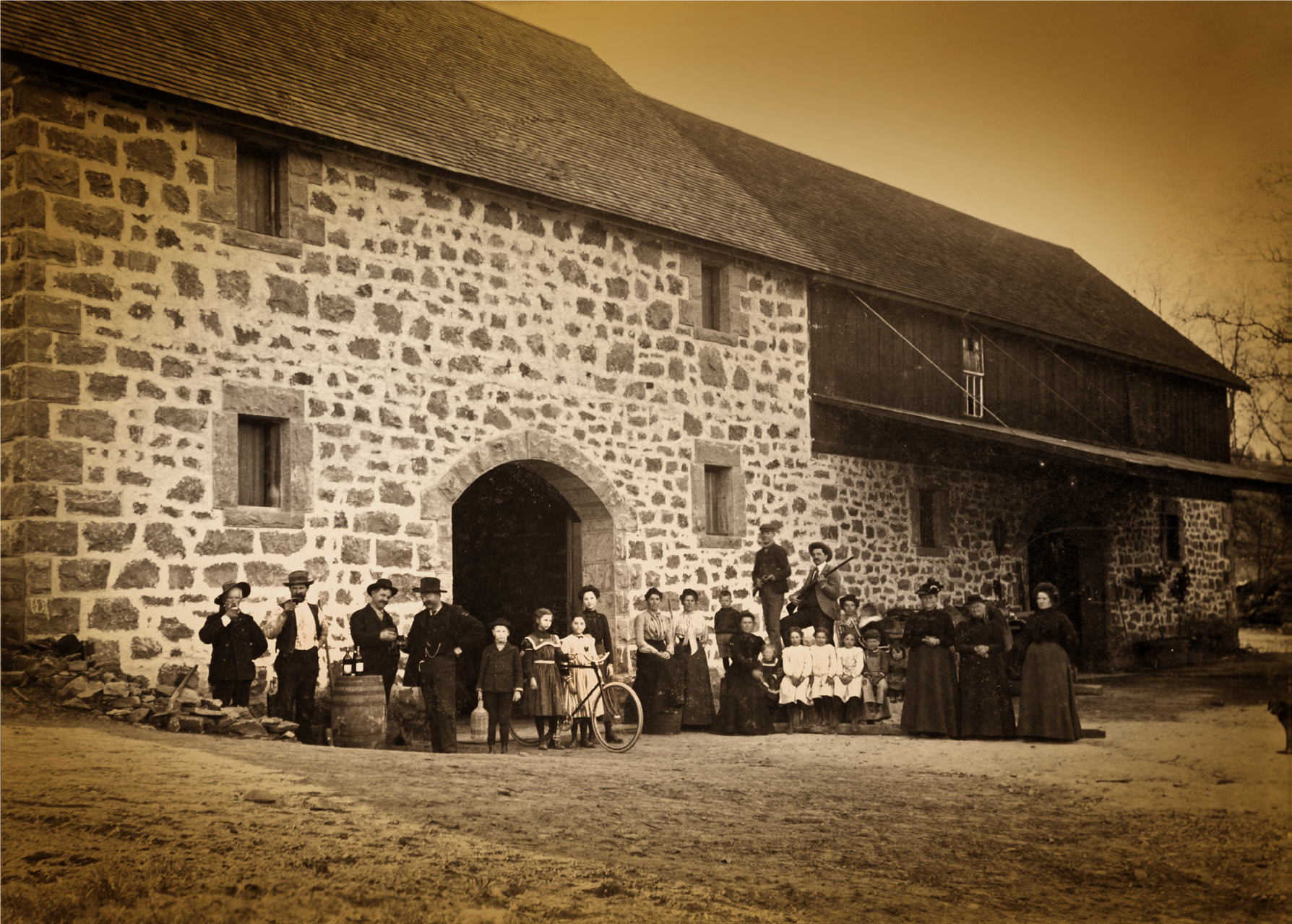
Zacal’s mezcalero Milton is a third-generation producer. Every stage of production – from harvesting the agave to roasting and distilling – is done entirely by hand, using techniques passed down from his grandfather. Like small-scale wine producers, mezcaleros work with what nature gives them – making decisions by feel, experience and tradition rather than formula.”
4. Mezcal has its own protected origin.
“Just as wine appellations protect typicity and authenticity, mezcal is governed by a Denomination of Origin. Only certain regions in Mexico (nine in total) can legally produce it, and even then, only under specific, tightly defined conditions, helping to preserve centuries of cultural heritage and ensure that what’s labelled ‘mezcal’ is genuinely rooted in place”.
5. Mezcal belongs at the table – just like wine.
“Like a well-structured wine, a good mezcal elevates food. Its complex flavour profile – smoke, salinity, minerality, sweetness, spice – makes it a natural companion to food, not just a post-dinner drink. Mezcal pairs perfectly with cheese, especially older, stronger cheeses. With darker chocolate and grilled meat, as well as spicy foods that open up your tastebuds.
For Zacal’s expressions specifically, the Ensamble pairs with dishes such as charred octopus with mole negro and dark chocolate with smoked sea salt and chili; while the Manso Sahuayo pairs with Yuzu-marinated ceviche with fresh herbs or charred pineapple with tajín and lime.”
6. Mezcal is sipped, savoured, and designed to evolve in the glass.
“Unlike its tequila cousin – which is more often associated with lime, salt and being slammed back – mezcal is a spirit to be sipped and savoured. Like wine, it opens up with time and air.
The best mezcals evolve over a few sips – or, as we say in the industry, the three kisses: the first sip adjusts the palate, the second reveals structure, and the third lingers with detail and depth. Just as you wouldn’t judge a fine wine on a single sniff, mezcal rewards patience and attention.”
Related news
Cru World Wine sees huge demand for its 'community-ownership' share offer
'Fantastic time to be a whisky drinker’ as Hedonism launches own-label range
Aldi launches rosé colour swatch as shoppers reject the ‘wrong’ shade


