



Pink perfection: exploring contemporary Spanish rosé
Uniquely diverse, fresh and adaptable, Spanish rosé has something for everyone – as db discovered at a recent masterclass hosted by Sarah Jane Evans MW.
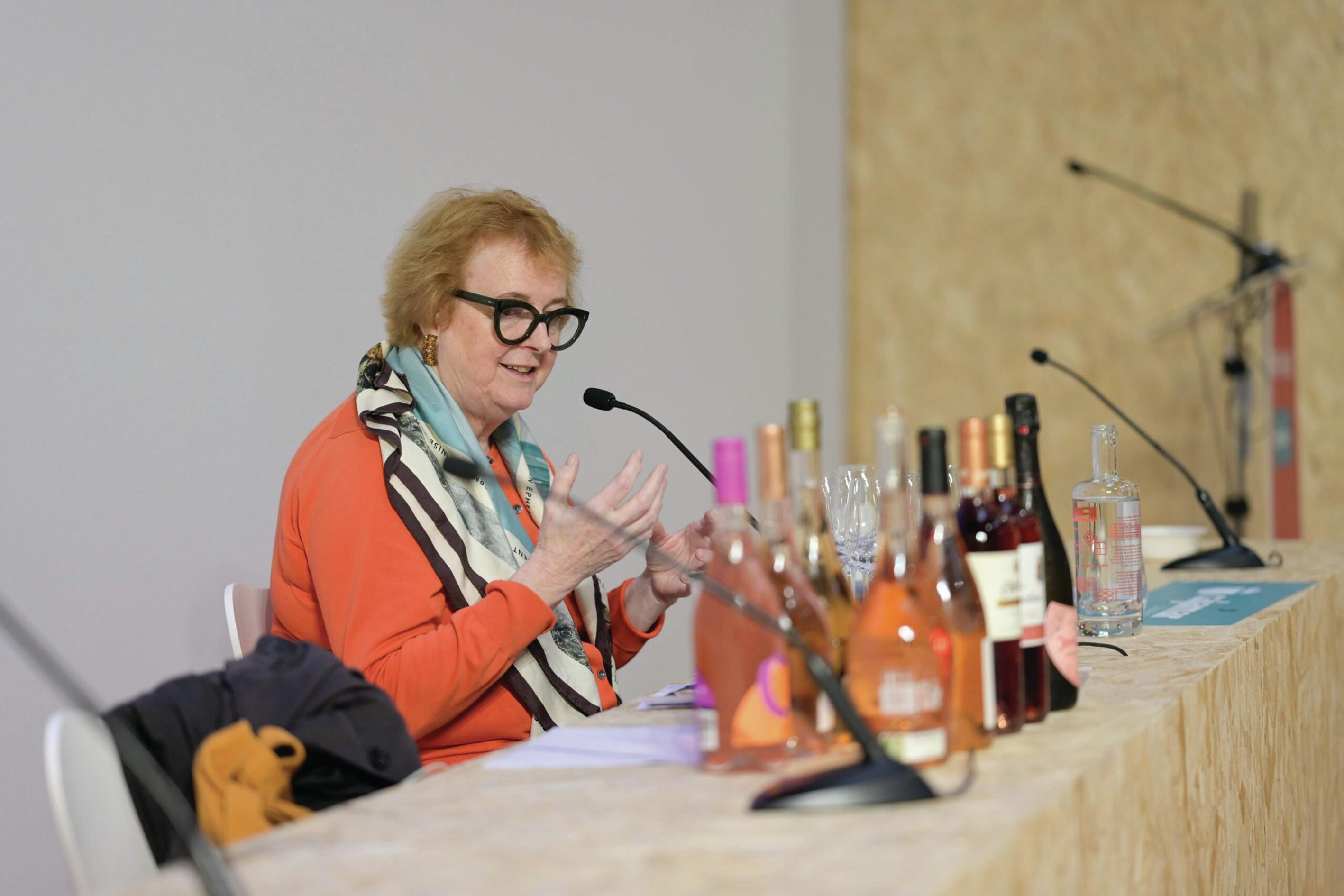
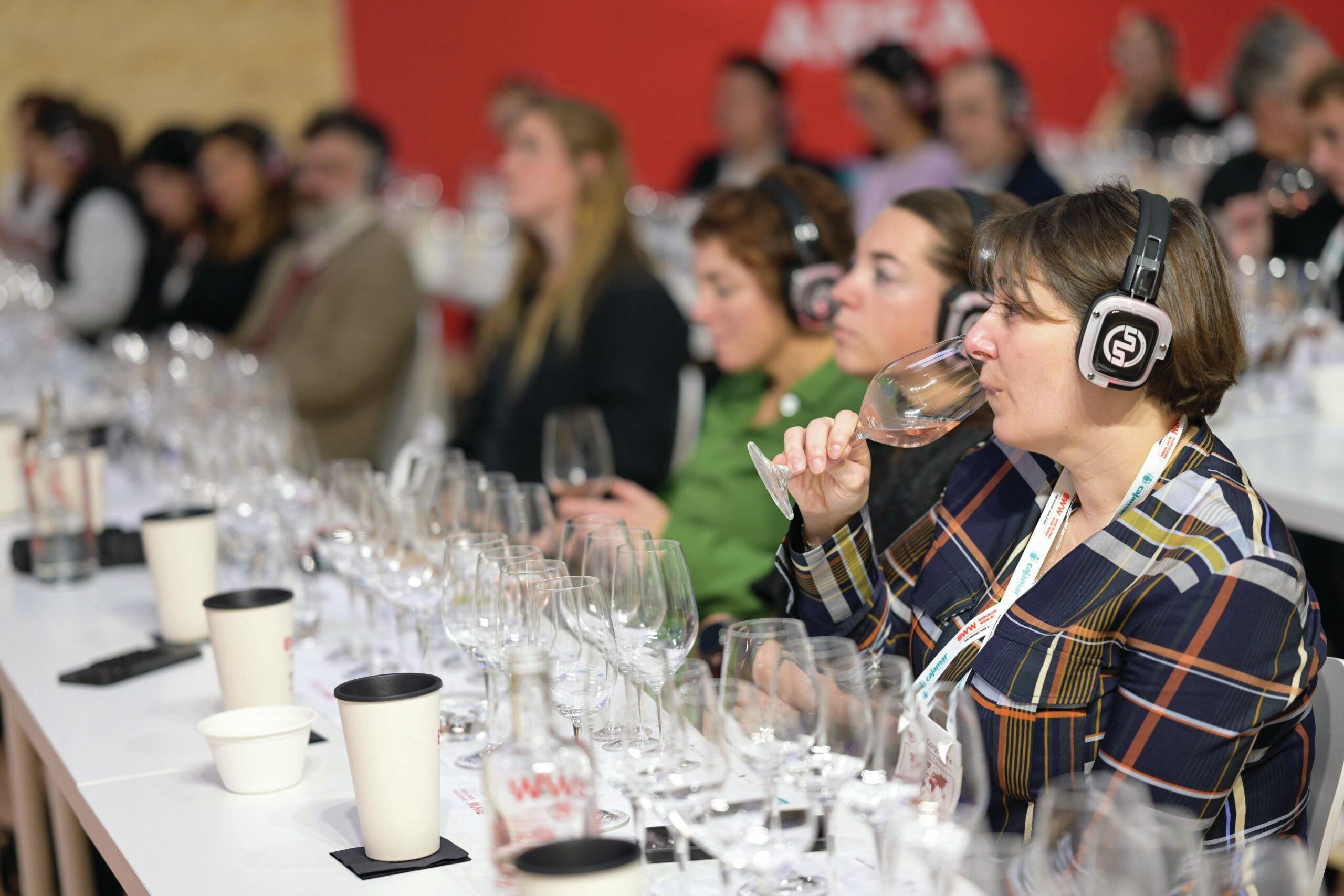
Over the last few years, rosé has been one of the wine industry’s biggest success stories. The category might be led by famous high flyers from the South of France, but rosé wines are made by producers all over the world. So what exactly does Spanish rosé have to offer? This was the big question Sarah Jane Evans MW sought to answer during the ‘Exploring Contemporary Spanish Rosé’ masterclass at Barcelona Wine Week 2026, studying seven bottles from some of Spain’s most iconic wine regions. Singing Spanish rosé’s praises, Evans was keen to communicate the diversity, freshness and adaptability of the bouquet of bottles on the table: “Spanish rosado obviously has a ripeness, but combined with that, people are choosing high-altitude origins, so producers know how to manage freshness as well,” she said. “They’re managing earlier harvests, and they are doing a huge amount with stainless steel, making very fresh wines.”
Winemakers are working with many different grapes, she added. “This means you get some very different-tasting wines from different varieties. You can either go comfortably with Garnacha, or you can use some kind of distant variety.” This diversity extends to pricing too: “You’ve got very aspirational pricing, and mainstream price tags,” said Evans. This means there’s a pink drink for every occasion, and with its quality climbing, Spanish producers aren’t just looking through rose-tinted glasses. Evans’ masterclass argued that consumers should sit up and pay attention.
CAMPO VIEJO ROSADO 2025
To kick off the session, Evans took the room to the traditionally red region of DOCa Rioja. The philosophy of the Vinarchy-owned Campo Viejo winery, which was founded in 1959, is all about combining traditional practices with progressive techniques. The fact that it started making rosé at all is testament to this, with its first rosé released in 2019. And this ability to meet evolving trends is aptly reflected in this bottle, which caters to consumers’ growing thirst for lighter drinks. The wine is made from 100% Tempranillo, harvested early from high-altitude plots in Rioja Oriental, resulting in a low-ABV 10.5% product. This idea is a “very smart” one, contended Evans, especially in the UK market, which imposes duties based strictly on ABV. “It’s lower-alcohol without being low-alcohol. It’s a very clever concept,” she said.
ARÍNZANO, A DE ARÍNZANO 2025 – VINO DE PAGO
Next up was a wine with gold star Vino de Pago status, an accolade that sits atop the quality pyramid above DOCa, reserved for elite, single-estate wines with unique terroirs. Pago de Arinzano was the fifth vineyard in all of Spain to be granted the Vino de Pago label, and the first outside Castilla-La Mancha. It’s located in the northern Spanish territory of Navarra – a “really beautiful” area, according to Evans, defined by dramatic landscapes and a distinctive microclimate. A de Arínzano rosé is made from Tempranillo grapes sourced from two plots. On the surface, soils are sandy and gravelly, but dig deeper, and you’ll find clay. The grapes are directly pressed without being destemmed, and then are fermented at low temperatures, before the wine spends four to six months on lees in stainless steel. “It has a very nice floral aroma, very ripe fruit and is a delicate wine,” said Evans of the 13% ABV rosado. “And it’s young,” she added. “This one was harvested at a very early date in August to September.”
LALOMBA, FINCA LALINDE ROSADO 2024
When it was launched in the market in 2016, this rosé “made a mark”, recalled Evans. “They put it in at 31. People were surprised by the price, but it delivers for the price.” The wine from Ramón Bilbao is a premium, single-vineyard rosé from Rioja Oriental that has won strong acclaim for its consistent quality and refined style. The wine is produced from hand-harvested Garnacha and Viura grown at an altitude of 520m on the slopes of the Sierra de Yerga, where the grapes benefit from cooling winds, calcareous soils and conditions that preserve freshness and acidity. When it comes to winemaking, the chilled grapes are gently pressed, fermented in concrete vats (without oak influence), and aged on lees. A glass stopper is used to maintain purity and prevent oxidation or reduction. “It hasn’t been made in special barrels or anything; it’s just been made exceptionally well,” enthused Evans.
YSIOS ROSÉ 2024
The Campo Viejo family of wineries returned with another bottle – this time, Ysios Rosé 2024. Of course, this also means the wine comes from Rioja, but this one is produced from a duo of Garnacha grape parcels; Rincón de Olivedo and La Pedriza en Tudelilla. “These are two very good vineyards,” Evans contended. So, from excellent fruit, the wine is then “made carefully” in the producer’s boutique winery nestled at the base of the regal Sierra de Cantabria. The grapes spend a brief period of cold maceration with the skins, before direct pressing and time spent on lees. The result is a 14% ABV wine with a price tag of 40. “This is serious wine,” Evans summed up. It’s also no mean feat, given that heavy rainfall meant that 2024 ended up being Rioja’s smallest harvest of the century. Evans went on to make the broader point that “this tasting acts as a marker to show that rosado in Spain is not just cheap wine”.
SCALA DEI PLA DELS ÀNGELS 2024
Evans then moved on to another wine from the dark days of 2024. “It’s a really lovely wine hidden away inside Priorat,” she enthused. The mountainous wine region in Catalonia is famed for powerful, mineral-led reds. “There are so few Priorat vineyards,” Evans continued, “there’s very little white wine there, and even less pink.” That makes Scala Dei particularly exciting. Produced by the Priorat region’s oldest winery, Cellers de Scala Dei, it’s made from 100% Garnacha grown in high-altitude (500m–600m) clay vineyards, with the wine undergoing a three-hour skin maceration, resulting in a pale hue reminiscent of Provence. In the winery, the grapes are cooled to 2°C and destemmed; after three hours of skin maceration the juice is bled off (saignée) and fermented like a white wine, then aged for four months in stainless steel. The wine is the producer’s first pink and is made by oenologist Ricard Rofes, who joined the winery in 2007. Evans commended his handiwork, saying: “It has a lovely fruit character, and it’s been made really carefully by somebody who’s thought about the colour.” This, she added, is one of the 14% ABV wine’s shining qualities: “It’s hard to make a rosé – all the colours are a little different. This one is a delicate pink”.
CHIVITE COLECCIÓN 125, GRAN VINO ROSADO 2023
The sixth wine came from a denomination we’d not seen yet – 3 Riberas in Navarra. It’s a blend of a trinity of grapes: Garnacha from 40-year-old vines grown at 450m altitude on clay-limestone soils, young Syrah, and Tempranillo from 40-year-old vines also grown on clay-limestone soils. The wine undergoes a short maceration and is produced using the saignée method, then fermented in French oak barrels and aged for six months on the lees. Long before rosé was in vogue, Navarra was committed to pink – and is now respected for its deep-coloured rosados. In that sense, David González, who became head winemaker at the estates in 2023, wields a flaming torch of tradition. “He’s a new winemaker, and you can already see he’s managed the fruit very well,” praised Evans. “It has an intensity, because it’s a wine with a much deeper, more reddish colour, and has a wonderful fruit character.”
MARTÍNEZ LACUESTA, HINIA ROSADO RESERVA 2022
Founded in 1895, the Martínez Lacuesta winery predates Rioja’s Designation of Origin by three decades and is one of the oldest wineries in Haro. Its rosado, made from 100% Garnacha grapes that are grown in a 27-year-old single vineyard in the Haro area on clay-limestone soils, is fermented using free-run juice in stainless steel tanks and then aged for more than one year in American oak barrels. “What they wanted to do was have a reserva rosé,” explained Evans. That’s why it’s aged in third-use barrels, which give it “more texture, more savouriness”. Compared to the other wines presented in the masterclass, Hinia Rosado Reserva is an old dog – almost four years old.
“What they’re trying to do there is to say: ‘We’re not a wine for drinking quickly. Don’t buy me today and drink me tonight,’” said Evans. “This is a wine which you can drink now, or you can drink in five years. It’s a whole different thing, and that’s reflected in its price.” From Rioja to Priorat, Spain’s flagship wine regions have long since been distinguished by red wine. But with rosé’s popularity continuing to surge worldwide while red consumption falls, Spain’s producers are increasingly thinking pink – balancing tradition, innovation and adaptation in their winemaking. “All these companies are known for their red wines,” attested Evans. “But my message is: stop and try the rosé. You’ll be surprised.”
Related news
Why electrolytes have become wine's newest additive
Bordeaux marks milestones with commemorative bottles
#WeekInPictures: the Queen visits Plumpton as craft beer and rum move into new territory


