



The trends driving India’s craft beer revolution
India’s craft beer sector has been forecast to reach US$1 billion by 2027 in what is being described as the market’s “growth phase”. But what’s driving its expansion? db finds out.
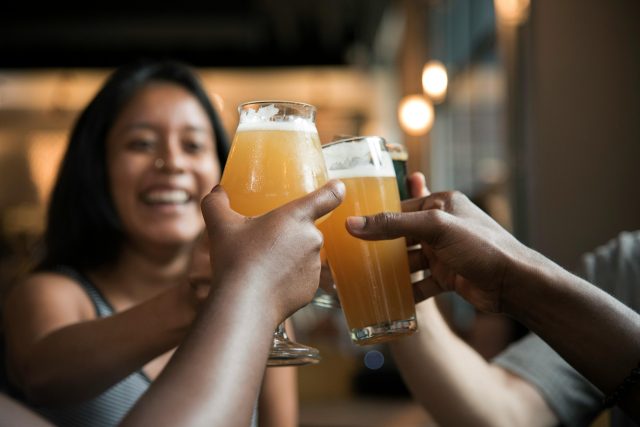
Experimental flavoured beers
The trend for flavour-driven experimental beers has started to reshape India’s craft beer landscape, according to commentators from across its growing beer scene. The rapid shift, which has been described as urban India’s “growth phase” is having a halo effect on the country’s independent beer sector and has been driven by sales of brews such as honey ales and tea-infused beers, which are said to now be outpacing the broader beer segment in terms of growth.
Amid the adaptations to the sector, the Indian market is facing continued supply disruptions and higher beer prices due to a surge in costs for producers following the conflict in the Middle East. The disruptions, which are said to be primarily affecting the bigger global brewers operating in India, are leading to a rise in costs driven by a gas shortage linked the Iran war. But while the global beer makers production lines are being disrupted by a boost in the price of glass bottles, supply chains have been hit by shipping delays for aluminium used by big breweries canning beer, slowing the process and making it costly.
Citrus, tea and stone fruit flavours
Ishan Varshnei, co-founder of Latambarcem Brewers told The Hindu Businessline that brands like Goa-based Maka Di (Konkani for “Give Me One”) are backing the trend and blending local ingredients like citrus-flavoured wheat beer with tea and stone fruit.
According to Varshnei, this is due to consumers looking for an experience as much as refreshment. Additionally, Varshnei pointed out that the move towards innovative beer styles was also helping the sector to rise in value from approximately US$600 million in 2026 to ultimately reach the US$1 billion mark by the end of 2027.
Reports from across the marketplace have also gone so far as to outline how, despite being under 3% in terms of volume, craft and premium beer segment now accounts for nearly half of all incremental growth in the Indian market. In fact, the craft and premium segment has reportedly grown more than 20% annually, compared with 4–6% as seen across its more “traditional” beer styles.
Beer sales in India have grown steadily alongside its rising middle class demographic and increasing urbanisation leading to a more affluent population. The Confederation of Indian Alcoholic Beverage Companies doing what it can to push through approvals for adjustments to keep the sector afloat.
Spice-infused beers, radlers and rosé IPAs
Varshnei explained: “What we’re seeing is not just growth in beer, but a shift in how people are drinking.” Varshnei pointed out that what is emerging is a revolution of new formats, new ingredients, and new occasions all of which assist in creating this experimental approach. In essence, the findings identified that legacy brands seen within the Indian market, such as Tuborg, Kingfisher and Budweiser fail to be able to match the excitement being seen across independent brewing sites. For instance, spice-infused wheat beers, brewed with coriander, cumin and citrus peel as well as honey ales and heavier European-style brews developed with international partners, are all gaining traction.
Reports flagged that the Gen Z audience is also interested in rosé-style IPAs made with Nashik grapes, and low-alcohol “lager-ade” [more broadly known as shandy and radler styles] variants which are being targeted at consumers that are moderating their alcohol intake.
Another shift identified was the fact that some people were already looking “beyond beer” entirely. One example can be recognised by the evident parallel rise of functional drinks such as probiotic kombuchas in fruit-forward flavours as well as zero-sugar seltzers, sparkling iced teas, and reimagined Indian drinks such as shikanji and masala cola. Additionally, a key differentiator for success has also been shelf stability since these drinks are migrating from retail to airlines and cinemas too.
Taste, identity and experience
Reports have identified that underpinning all of this is a certain level of what is being termed as “technical credibility” or rather “quality”. Essentially, using “imported malts, global hops, and locally sourced inputs” to create the best quality of beers available.
The findings also showed how ingredient provenance has also become a way to justify these adaptations as well as give weight to beers such as these retaining a premium price point. More than 60% of urban Gen Z consumers reportedly now prefer premium or flavoured beers over traditional lagers — a signal that taste, identity and experience are being seen to replace price and familiarity.
Established craft brands like Bira 91, Simba, and White Owl have gained early traction. Plus, microbreweries, particularly in Bengaluru, are emerging as the main venues where drinkers are discovering new flavours.
The new revolution
Non-alcoholic formats are also becoming growth drivers in their own right. For instance, Borecha, a Goa-based breweries retail brand, has revealed it is getting stocked across quick-service chains like Haldiram’s as well as multiplexes including PVR Inox, and airlines such as Air India Express and Akasa Air.
Furthermore, brands like Maka Di are said to be on the rise within premium hospitality chains such as IHCL’s Taj Group hotel properties which shows how craft beer has moved well beyond the niche taproom to generate a new revolution in its own right.
Looking at the big beer prowess across the marketplace, United Breweries Limited (UBL), AB InBev, and Carlsberg have all collectively committed more than ₹3,500 crore in capital expenditure in a bid to expand capacity, and also ride the craft boom.
Related news
Carlsberg emerges as World Cup winner despite smaller than expected beer boost
Sober raves, booze-free beer: why South Koreans are shunning alcohol


