



‘Wind down, leave feeling great’: The rise of Hong Kong’s friendly neighbourhood bars
A flurry of neighbourhood bars have recently launched in Hong Kong – places where warmth and ease matter just as much as cocktail craftsmanship. Rebecca Lo looks into why these lowkey spaces have become such a hit with locals.
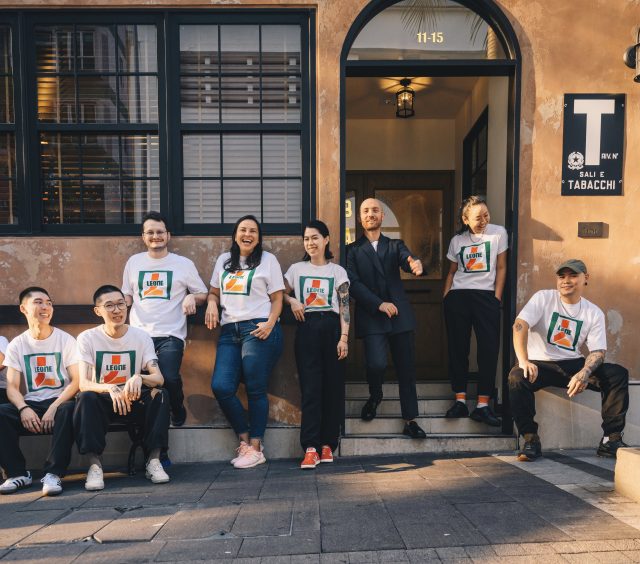
Bar Leone’s win at The World’s 50 Best Bar 2025 drew global attention to a place that had the vibe of a cosy living room.
Co-founders Lorenzo Antinori and Justin Shun Wah introduced the neighbourhood bar at a time when Hong Kong was emerging from pandemic-induced lockdowns. Its supernova success has led to a second Bar Leone in Shanghai in late 2025, Antinori serving Hollywood royalty at the 98th Oscars after-party on 15 March, and more friendly hotspots launched by younger bartenders.
In the past year, a slew of openings including Mius, Bar Oasis and Sugar King welcomed thirsty folks with personality-infused spaces and menus. Like Bar Leone, each is designed to be a regular hangout rather than a high-end, concept-driven or destination hotspots.
A respite from working hard
John Ng, industry expert and academy chair with Asia’s 50 Best Bars, explained the appeal of neighbourhood bars in Hong Kong. “Bars are hidden in between all these residential and business areas,” he said. “After the intensity of work and rushing around, people need somewhere to chill and spend time with friends or continue a business chat. But they don’t want anywhere too formal.
“That’s where the neighbourhood bar is important. It functions as a step after work and before home, where drinks can accompany a light meal. People can wind down and leave feeling great.”
Antinori defined neighbourhood bars as critical community-oriented third places between work and home, with strong identities and personalities throughout daily operations. “We still retain a large following of regulars who have supported us since day one,” he said, adding that Bar Leone gives back to the city through the non-profit meal programme More Good Foundation. “Human connections are the most important elements of a bar business.”
Places to come back to

Hong Kong native Shelley Tai, winner of 2019 Diageo World Class Hong Kong and Macau Bartender, opened Mius in August 2025 after five years with Nutmeg & Clove in Singapore. Her 16 years working across different bar concepts and styles gave her a clear direction for Mius.
“I realised that places I personally return to are the ones that feel simple, relaxed and consistently well executed,” Tai said. “A space that feels easy and casual enough to drop by, but still serious about quality and detail.”
Partner Content



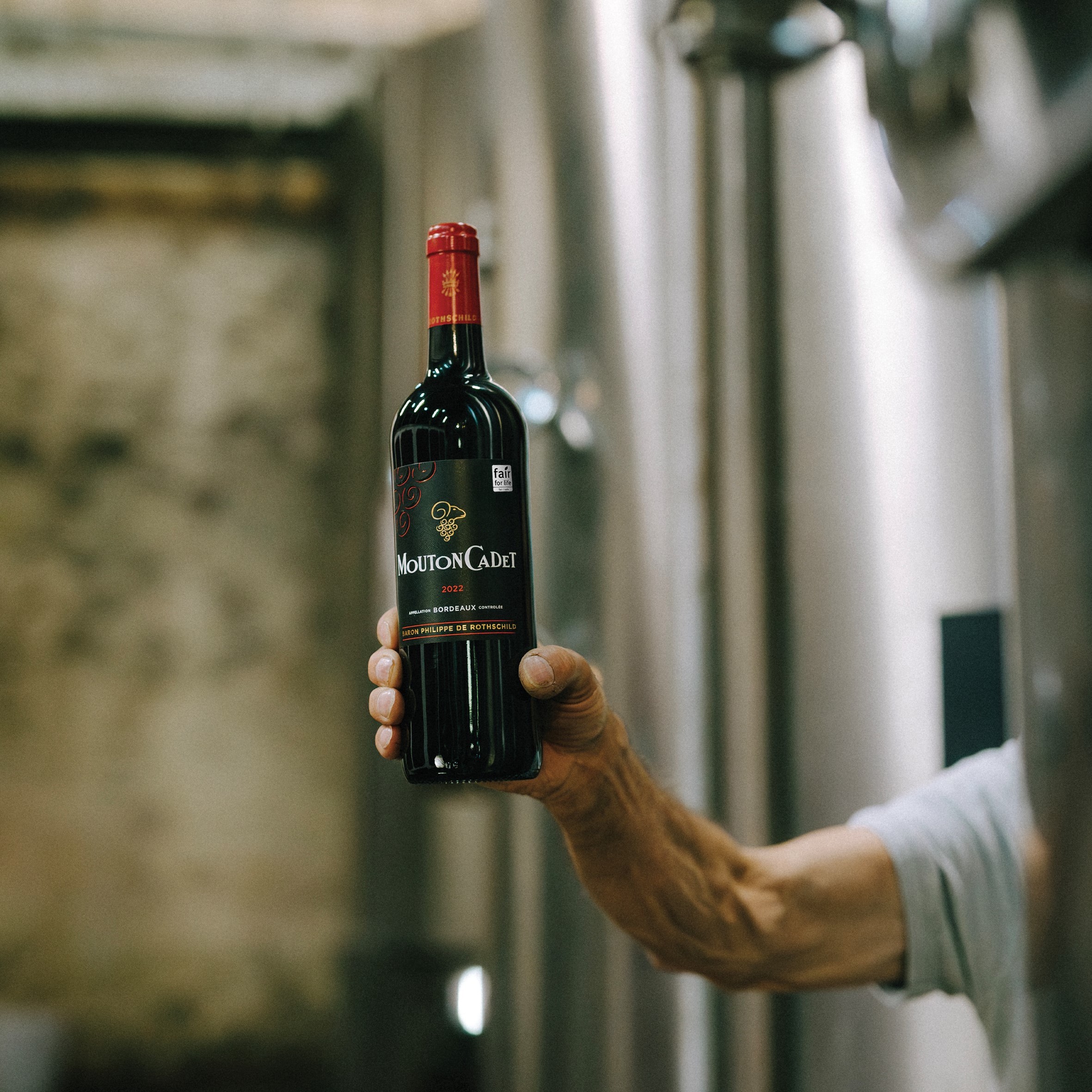
While Tai acknowledged that Hong Kong offers one of the world’s most exciting bar scenes, there is no beating a place where comfort reigns. That means simple, easy to understand menus; genuine hospitality; and environments where people can truly relax.
Building genuine relationships

“At Mius, we don’t take reservations because we value the spontaneity of drinking, and we don’t impose table return times so guests can enjoy their evening without feeling pressured,” she explained.
“To me, neighbourhood bars prioritise long-term connection over one-time impact. It’s about building genuine relationships with guests, offering drinks and food that people can return to regularly.”
For Ng, it is important for neighbourhood bars to feel like home, be located near offices or along the way home, and to offer drinks that are straightforward. “A place to chill after a long day of work means not drinking with the brain, beverages with weird flavours, or menus that require long explanations,” he said. “It’s very hard to balance a neighbourhood style bar and a successful business in Hong Kong. The bar needs to be friendly enough for conversation but not too busy.”
‘Craftsmanship will always matter, but so will warmth and ease’
Antinori stressed that the neighbourhood vibe of Bar Leone remains unchanged. “We have the same approach if serving tourists or regulars,” he noted. “We want to know our customers and deliver an honest experience. We keep our feet on the ground and have a humble mindset, which I believe is the base for good hospitality.”
Tai felt that if a bar’s success leads to long queues, the overall experience may be impacted. “However, what matters most is staying true to service standards and core values,” she said. “As long as we protect those, success doesn’t have to come at the expense of our identity.”
Hong Kong’s proliferation of takeaways and deliveries has also made comfort more important when people make the choice to leave home. “I think we are at the beginning and will see more concept-less spaces, which champion comfort and quality,” stated Antinori.
“After years of high concept and destination-driven experiences, there’s a natural shift towards spaces that feel more personal and grounded,” noted Tai. “It may seem like a trend, but I see it more as an evolution. Craftsmanship will always matter, but so will warmth and ease.”
Related news
Six new Master Sommeliers announced
Are fine-wine collectors one and the same around the world?
India tightens rules on high-alcohol oral medicines to curb misuse


