



UK pubs may make just 3p profit from every £1 spent on a pint
New analysis suggests the economics of a pint are becoming increasingly strained for British pubs. Rising operating costs mean only a few pennies of each pound spent at the bar may remain once expenses are covered.
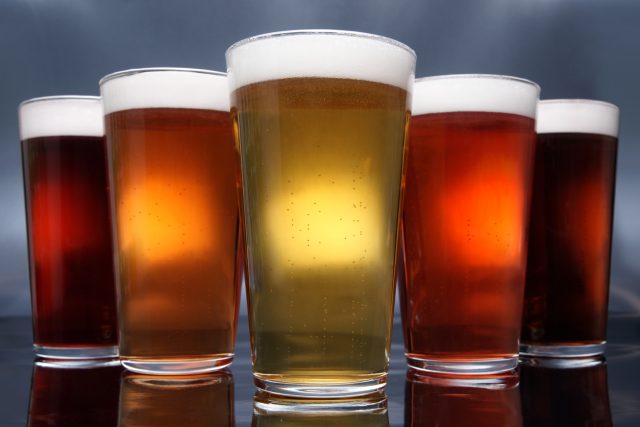
The economics of running a traditional British pub appear to be tightening once again. New research suggests that, in 2026, a wet-led pub in the UK could retain as little as 3p in profit for every £1 spent on a pint.
The estimate comes from analysis by money.co.uk business current account experts, who examined cost data from the British Beer and Pub Association to model how operating expenses have shifted in recent years. According to the findings, the share of revenue left as profit has fallen steadily, dropping from 7p per pound two years ago to 5p last year and now potentially just 3p in 2026.
This contraction comes despite higher prices at the bar; the research indicates that while the average price of draught beer has risen over the past two years, profit per pint has more than halved over the same period.
Where the money from a pint goes
To understand the economics behind a £5 pint, the analysis examined the main cost categories involved in running a typical wet-led pub. As per the modelling based on British Beer and Pub Association guidance, wholesale food and drink purchases represent the largest share of revenue at about 41%.
Wages account for roughly 31%, reflecting the impact of increases to the national living wage and employer national insurance contributions. Utilities are estimated at 4% of revenue, while business rates, a tax on the pub property itself, represent around 3%.
Once these operating costs and other expenses are taken into account, gross profit could sit at approximately 6% of revenue, equivalent to about 6p from every pound spent before rent.
Rent itself can absorb about half of that gross profit according to British Beer and Pub Association guidance on pub budgeting. After this deduction, the research indicates that just 3p from every pound may remain as profit for a typical wet-led venue.
Applied to the current average price of a pint of lager at £5.17, this would translate to around 16p profit per pint.
Cost pressures intensify
Several factors are contributing to the squeeze on margins. Beer duty rose by 3.66% in 2026, adding roughly £35 per week to operating costs. Wage costs are expected to rise by about £229 per week.
Such increases come on top of the ongoing burden of wholesale purchasing, property-related taxes and energy bills. The cumulative effect, as reported by the research, is a steady erosion of profitability across the sector.
The analysis suggests these conditions could make the widely discussed £10 pint more plausible in the most expensive parts of the UK if operators continue to pass on costs to customers.
A balancing act for landlords
The pressure arrives as the number of pubs across the UK continues to decline, operators face a difficult choice between absorbing higher costs or raising prices and risking reduced footfall.
Jake Pemberton, landlord of the Gladstone in Nottingham, described the challenge from the perspective of an independent publican.
Partner Content




“Increases in beer prices often don’t cover the rise in everything else that pubs have to deal with. Many small, independent pubs simply can not survive with business rates, energy bills, minimum wage, VAT, taxes etc. It all adds up and I don’t think all customers take that into account when we change our prices.”
He added that higher prices may alter drinking habits and affect the character of local communities.
“Higher beer prices keep people at home and it’s significantly affecting British pub culture. Communities are suffering, as pubs & pub goers often come hand in hand with community spirit. At the same time, we’re losing traditional pubs as wet-led pubs are dying, with more becoming food-focused and family-oriented.”
Pemberton also explained the difficulty of adjusting prices to maintain margins.
“This year, our prices can’t increase at the same rate. Three of my real ale products needed a 15p rise to keep the same gross profit, however I’m aware pubs have a ceiling to what they can charge and I feel like I’m getting closer to that ceiling, so could only add 10p. This means on those products I’m losing gross profit this year.”
Financial management under scrutiny
Joe Phelan, business current accounts expert at money.co.uk, said the figures illustrate how misleading rising pint prices can be when viewed in isolation.
“It’s easy to assume that rising pint prices mean pubs are making more money, but the reality is very different. Our data shows margins are shrinking, with only a few pennies left from every pound spent once costs, including rising beer duty, are covered. Without support, we risk losing not just businesses, but a cornerstone of British culture.”
Phelan suggested that tighter financial oversight may become increasingly important for operators navigating such conditions.
“With margins under such pressure, careful financial management is becoming more important than ever. Using a business current account with integrated reporting tools can help landlords keep track of costs, monitor cashflow, and make informed decisions to protect profits and keep their doors open.”
Methodology
According to money.co.uk, the analysis draws on research from the British Beer and Pub Association on the cost structure of a community wet-led pub with a turnover of around £15,000 per week and a drink-to-food sales split of approximately 90:10.
Year-on-year trends from the most recent British Beer and Pub Association reports published before 2025 were used to estimate operating costs for 2025 and 2026, alongside expected changes in policy, inflation and wider economic conditions.
All figures are exclusive of VAT and reflect modelling assumptions rather than the precise financial performance of any individual venue. The research states that costs will vary depending on location, operating model and the approach of the tenant or lessee. Data is correct as of March 2026.
Related news
Popular Peckham pub listed for £1.2m


