



Meet the man bottling the spirit of the Falkland Islands
Gin made from hand-foraged berries and kelp has put the Falkland Islands on the spirits map, but founder Richard McKee says tourism remains the lifeblood of the business. Speaking to James Bayley, he explains why exporting from one of the world’s most remote distilleries is easier imagined than achieved.
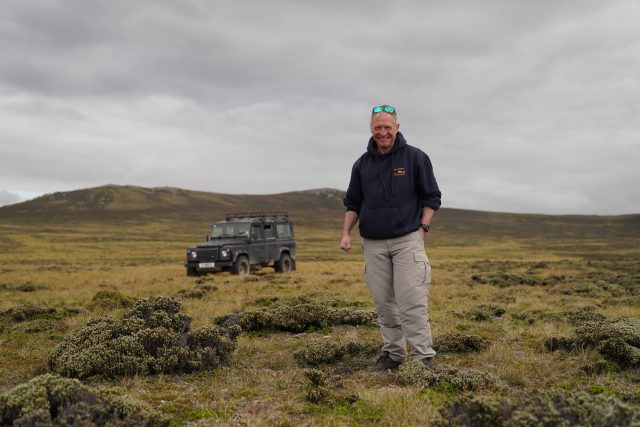
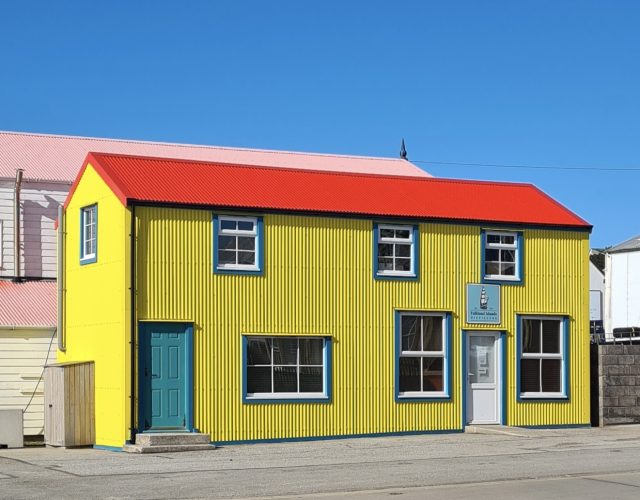
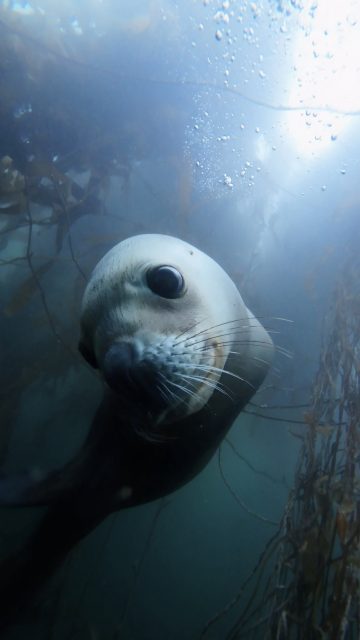
Standing on Stanley’s harbour front, Richard McKee occasionally catches sight of sea lions and dolphins from the still room. It is not the sort of distraction enjoyed by many distillers, but then very little about Falkland Islands Distillers could be described as ordinary.
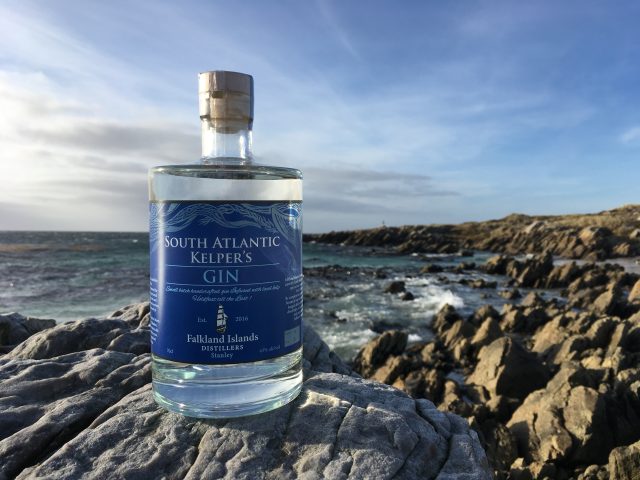
Since beginning to forage local botanicals in 2016 and opening the Philomel Distillery three years later, McKee has built a reputation for producing gins that are unmistakably tied to the South Atlantic landscape. Darwin’s Botanicals claimed Gold at the San Francisco World Spirits Competition in 2021, with South Atlantic Kelper’s Gin repeating the feat in 2024.
For McKee, though, medals matter less than producing something that genuinely reflects where it comes from.
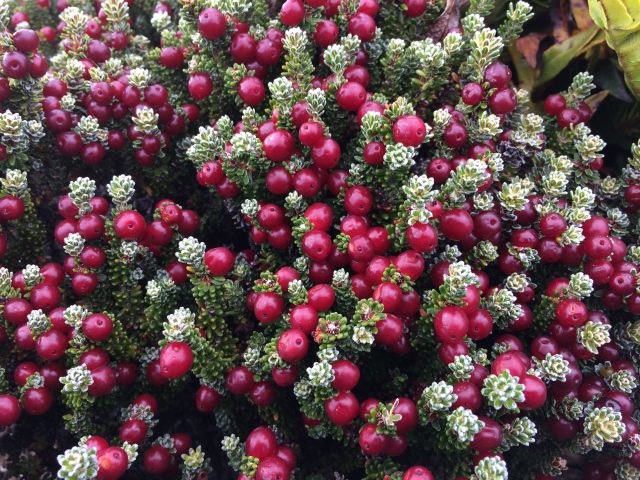
“Our islands are renowned for their magnificent, rugged beauty and it is in these remote hills and pristine waters that we source our local botanicals,” he told the drinks business.
“In a glass, the teaberries and diddle-dee berries deliver a wonderful combination of fragrant, mellow, sweet flavours which are contrasted by bittersweet notes, whilst our maritime gin benefits from the salty-sweet notes of hand-dived local kelp.
“And the associated peppery notes provide a nod to our maritime heritage.”
Launching a distillery on islands with a population of about 3,600 was never an obvious commercial decision. McKee admits it required more optimism than certainty.
“Though our population is small, we benefit greatly from a remarkable number of visitors, both professional and tourists,” he said.
“I was confident that if we could really capture the spirit and reflect the history of our islands, then this leap of faith was definitely worth taking.”
That decision means the business now depends heavily on those visitors.
“Tourism is critically important to the business,” McKee said.
“I am on my own distilling and the volume of the production is very much on the craft scale of things. Consequently, at this juncture, we are not exporting and all our sales are currently here in the Falklands.”
There has been one exception, around 870 miles east of the Falkland Islands, though still a British Overseas Territory.
Partner Content

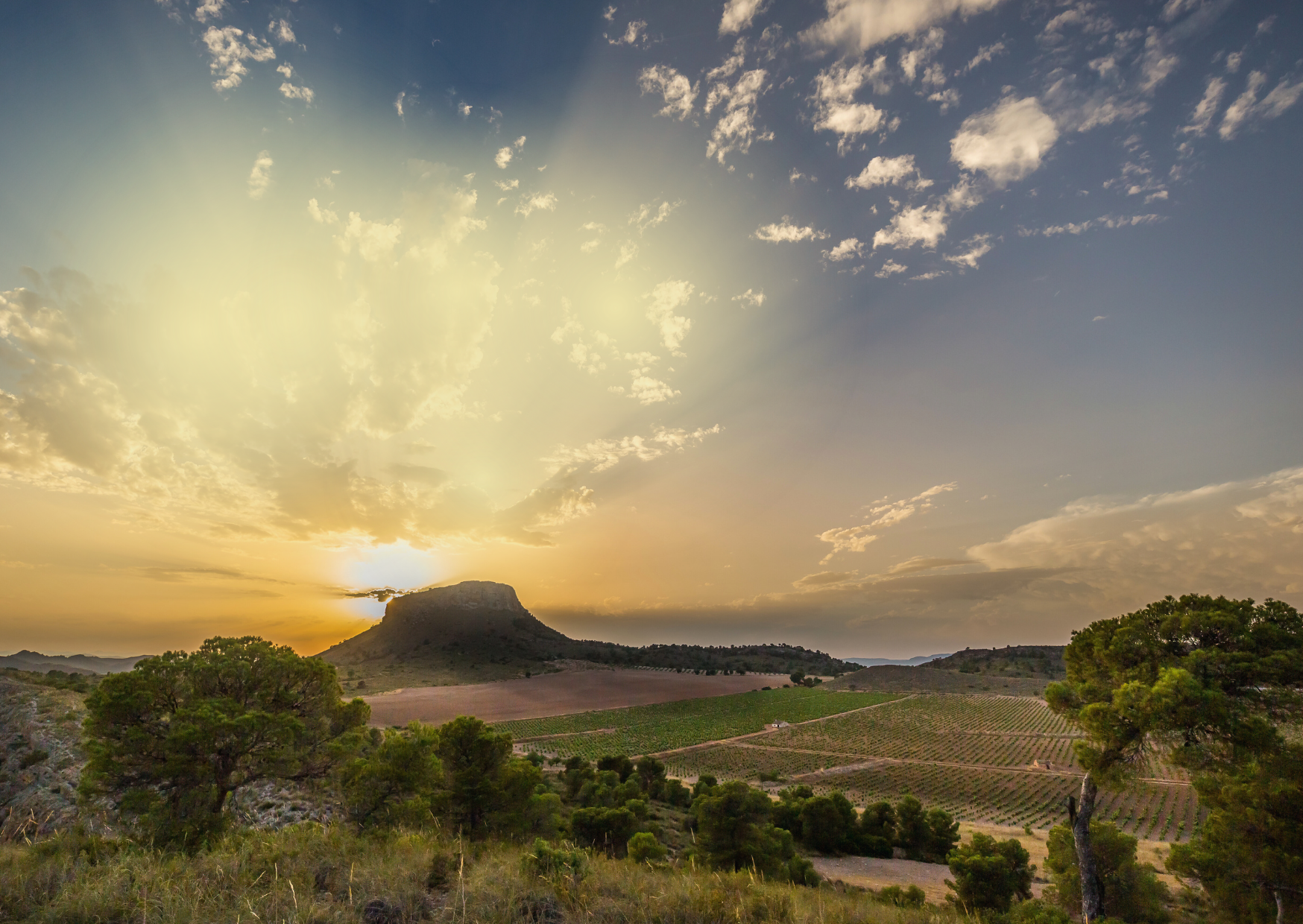
“We have exported one batch of gin to South Georgia for a fundraising project.”
For now, that remains the only official export. McKee says he enjoys hearing from visitors who have carried bottles much further afield.
“At present there are no overseas markets,” he said.
“But I love hearing the stories from customers who have enjoyed our gin on every continent. Who knows what the future might hold.”
Running a business in such a remote location inevitably creates problems unfamiliar to most drinks producers.
“The misconception I’d most like to change is that it takes many months and not days for materials ordered from overseas to reach us,” he said.
“And we can’t return any.”
The realities of island life are balanced by advantages that would be impossible to replicate elsewhere.
“Life here has taught me the wonderful value of true community spirit,” McKee said.
“Every day it is equally humbling to connect so closely with our beautiful environment and wildlife and recognise just how vulnerable our natural world is to human impact.”
His surroundings regularly remind him of that connection.
“From our small distillery on the harbour front in Stanley it is a wonderful privilege to often see sea lions and dolphins whilst distilling.”
The distillery remains deliberately small, producing handcrafted gin from botanicals gathered across the islands rather than chasing volume. In an industry increasingly preoccupied with provenance, few spirits can claim to come from a place quite as isolated or distinctive. For McKee, that sense of place is the business’s greatest asset, even if it also makes every bottle considerably harder to produce.
Related news
Brown-Forman begins search for new chief executive
India’s beer sector 'positive' but climate and margin caution still evident


