



Pinot Noir in Cyprus: Château Punin’s ambitious experiment
While Pinot Noir is most associated with cool climes such as Burgundy, an innovative approach is helping it thrive on one of Europe’s southernmost islands.
Cyprus is famous for its ancient winemaking traditions, producing some classics under its roof. However, it is relatively young in the premium wine market. While some winemakers stick to tradition, others want to push Mediterranean terroirs into the global scene.
Château Punin is taking this opportunity to try something bold: growing the famously difficult Pinot Noir grape on the island.
From old vines to precision viticulture
The winery has been operating since 2004, previously producing fairly traditional regional wines from local and international grape varieties. Everything changed in 2019 when the estate was acquired by entrepreneur Dmitry Punin, whose holding company develops gastronomy and hospitality projects across Cyprus.
What began as a passion project led to a major reconstruction of the château. The production facility was updated, and the way the vineyards were managed was completely changed. Now, it stands as one of the most promising winemaking facilities in the region.
Why Pinot Noir for Cyprus?
The chosen grape variety is the main challenge of this project, both in terms of technical demands and commitment. Pinot Noir is incredibly sensitive to heat, soil composition, and vineyard management.
On 2 March 2026, the first Pinot Noir vines were ceremonially planted on the château grounds, marking the starting point of a long-term experiment. To ensure the vines thrive and yield the right results, the winery had to implement precision farming technologies. Particular attention is being given to water management through the installation of smart Israeli irrigation systems. They deliver water precisely and in measured doses – ensuring the vines never dry out, but also don’t get overwatered.
Every detail there serves one purpose – the survival and comfort of the vine.
A boutique approach
Château Punin is more than a way of gaining financial benefits. It’s a heartfelt project for a team that wants to put Cyprus among the world’s cult-classic wine producers.
This is the main reason for limiting the annual production. The new vineyard covers just over two hectares. Annual production will be limited to approximately 10,000 bottles, supporting lower yields, strict grape selection, and a highly controlled production process.
This boutique scale allows for manual control over every stage of growth and strict berry selection, prioritizing quality over volume.
More than just a winery
The vision for Château Punin extends beyond wine production alone. Modern wine estates are becoming destinations where hospitality, gastronomy, architecture, and landscape come together as part of a broader cultural experience.
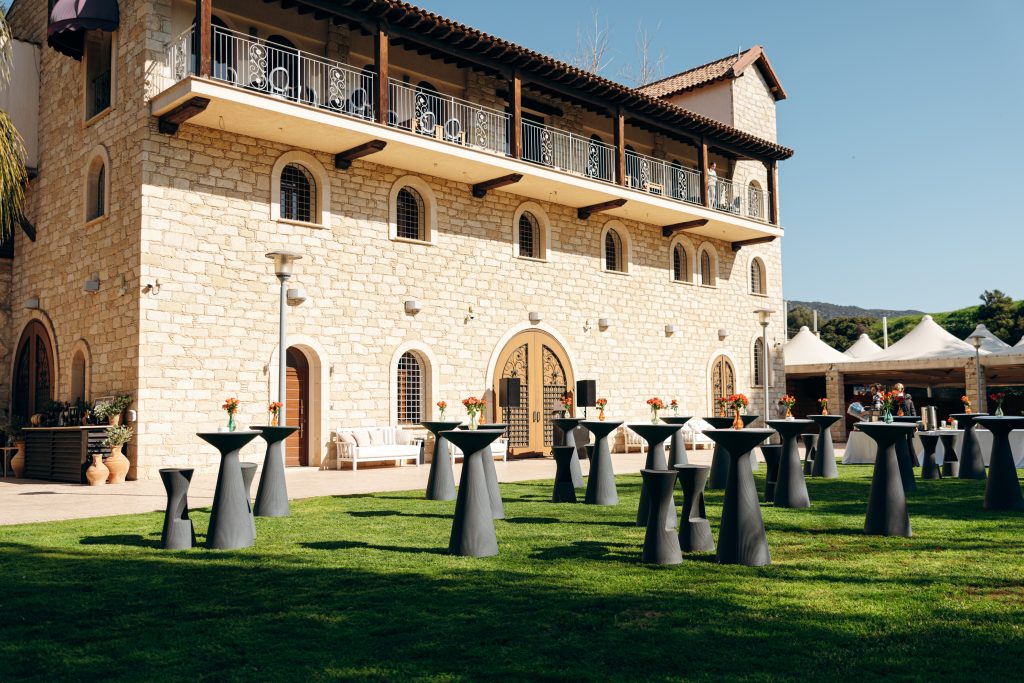
Located in the foothills of Limassol, the château sits in a picturesque area with rolling hills and a fantastic climate. Now, the estate operates as an open venue for wine tourism, hosting tastings, private dinners, weddings, and events.
The team has years of waiting and observation ahead of them – winemaking does not tolerate rushing. But if this Pinot Noir experiment succeeds, Château Punin will prove that Cypriot terroir is capable of producing not just accessible classics, but complex, sophisticated wines of a world-class standard.
Related news
Rare opportunity beckons as established Rioja brands go under the hammer
How Yvonne Seier Christensen forged her own path in Champagne


