



Why Asti is hitting the sweet spot
The success of the wines of Asti in this year’s Global Sparkling Masters is testament to the enduring quality of these quintessentially Italian products.
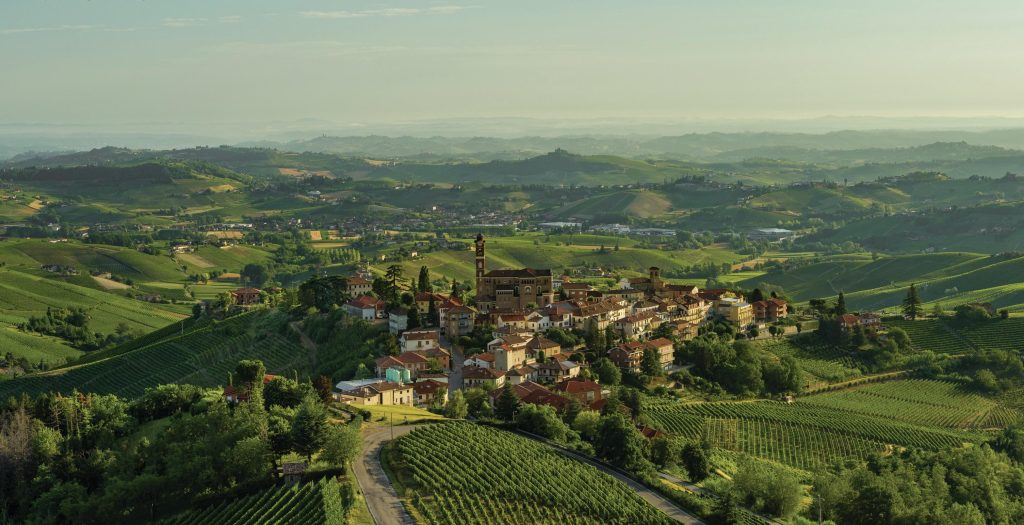
The light, sweet, sparkling and aromatic wines of the Asti region in Piedmont, northern Italy, scored an impressive haul of medals in this year’s Global Sparkling Masters, with more than 50 wines recognised by a panel of expert judges, all Masters of Wine – an increase of 10 on last year’s awards. It not only shows how highly Asti’s wines are regarded when tasted blind among their peers, but also demonstrates the growing reputation and competitiveness of the region as the world’s leading denomination for aromatic wines in the international sparkling wine category.
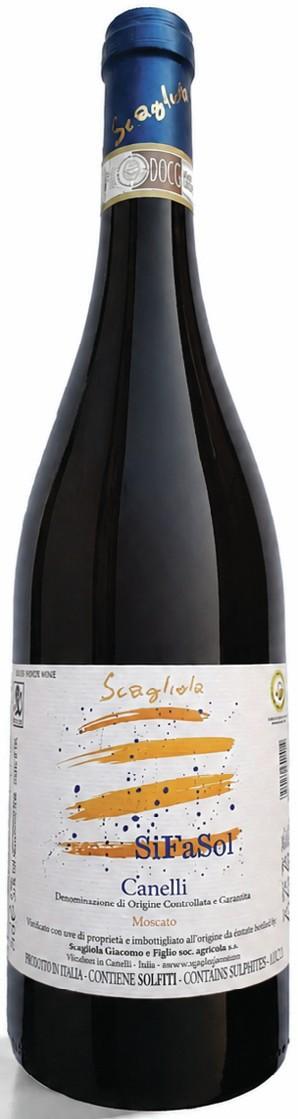
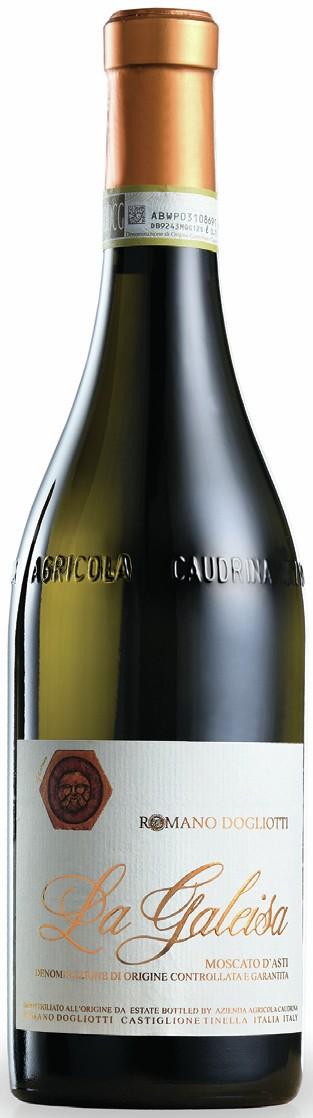
The Masters competition saw six producers take home Gold medals, which the judges described as “glorious Golds – pristine, exuberant fruit with gentle froth across the palate, very more-ish”, along with 19 Silver medallists and nearly 30 producers who were awarded a Bronze. As the judges’ comments reflect, Asti isn’t a region to sit in the shade. One MW judge noted that “there is a special place in heaven for a good Moscato d’Asti. It is not common to say so, but I think this is one of the world’s loveliest wine styles, when made well”. Of the gold-winning La Galeisa 2025, made by La Caudrina, she noted that its “appealing sweetness is balanced against the refreshing acidity and light alcohol – so light you don’t even need to confess it to your doctor”. Other judges noted the “complexity, and characterful, lingering finish” of some of the older Gold-winning vintages, proving that, when it comes to Asti DOC, it is not only youthful expressions that appeal to consumers and connoisseurs – Asti DOCG can age extremely well.
Global Markets
It is clear that the region’s success in the competition is being replicated across global markets. While Champagne and Prosecco might once have commanded all the attention, international awareness of Asti’s offering has grown in recent years, particularly in emerging markets across Asia. This can be seen clearly in the data, which shows that, in 2025, sales of
Moscato d’Asti rose 55% in Asian markets, accounting for 18% of its total sales. China has become Asti’s third-largest market, a particularly striking fact, considering that overall wine imports to the country fell by 14.6% in value and 26.7% in volume in 2025, according to the OIV.
Meanwhile, Asti Spumante enjoyed a sales boost of 20% across Asia, with Japan, the United Arab Emirates, Kazakhstan and China seeing strong gains. This growth has been backed by greater promotional activity in markets such as South Korea, China and Singapore, moving Asti away from reliance on its traditional core markets of the US and Russia.
As Giacomo Pondini, the director of the Asti DOCG Consortium, comments: “Asti DOCG is increasingly establishing itself as the global benchmark for aromatic, low-alcohol sparkling wines. Our denomination offers a unique combination of heritage, quality and versatility, perfectly aligned with today’s consumption trends. From fine dining to casual occasions, Asti DOCG wines speak to a new generation of consumers looking for freshness, balance and authenticity.” The region itself is part of the UNESCO World Heritage Site Vineyard Landscape of Piedmont: Langhe-Roero and Monferrato, with around 2,000 hectares protected under the Canelli and Asti Spumante sub-divisions.
Both Asti Spumante DOCG and Moscato d’Asti DOCG are made from the Moscato Bianco grape, also known as Muscat Blanc à Petits Grains, which has characteristically fruity and floral notes ranging from lime, peach and apricot to orange blossom and acacia. However, the two wines are produced in different ways, each retaining a distinct style, positioning and consumption occasion.
The sparkling Asti Spumante, for example, clocks in at 6%–9.5% ABV, having been made through partial fermentation of the grapes’ sugars at cold temperatures. This method maintains the natural charm and fruitiness of the grapes while enhancing the structure. The effervescence is usually added through the Martinotti method – a process created by Federico Martinotti in 1898, whereby fermentation takes place in a pressurised tank – although occasionally the traditional method is used.
Versatility
The result is a wine with lightness, approachability and vivacity that suits festive occasions, as well as mixology. Asti Spumante brings energy and freshness to celebratory moments – adding a dash of fizz can elevate even the simplest cocktail, which reinforces its appeal among younger and trend-driven consumers. At the same time, it pairs equally well with food, particularly with light appetizers, seafood dishes and cheeses, where its vibrant acidity and fine bubbles enhance both texture and flavour.
Meanwhile, Moscato d’Asti has a delicacy that owes much to its more nuanced aromatics and clean finish, having gone through a single fermentation that is stopped once the desired alcohol level is reached.
This results in a frizzante wine with less fizz than Asti Spumante and an ABV of less than 6%. It also excels in food pairing, its balance of sweetness and acidity enhancing both savoury and sweet flavours. With residual sugar of at least 100g/litre (although it can be as high as 140g/litre), the sweetness perfectly offsets the heat of spicy foods and Asian cuisine, but it is not only here where Moscato d’Asti shines.
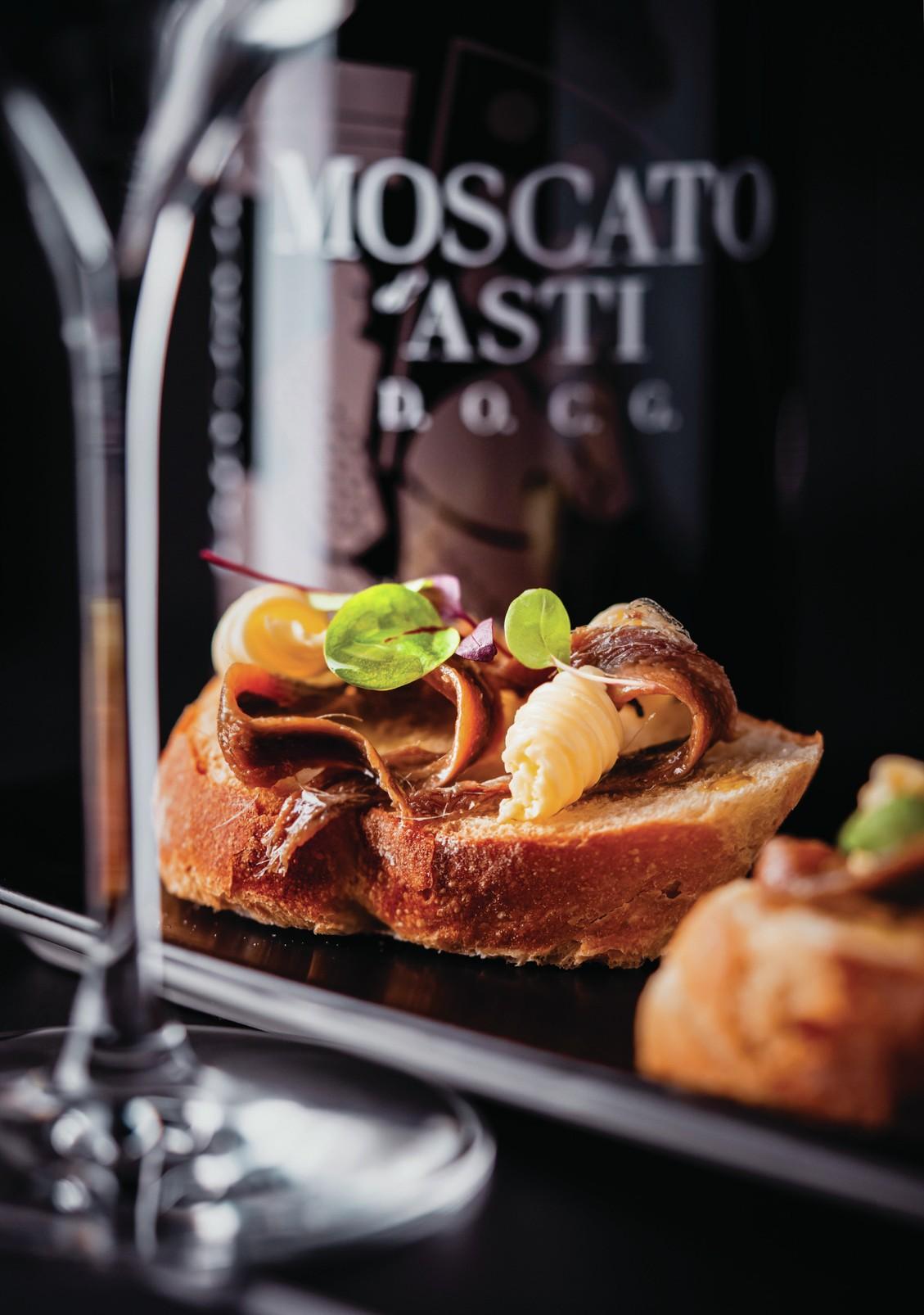
As a wine, it is endlessly versatile – a perfect accompaniment to brunch on account of its low alcohol content, with a sweetness that also offsets the saltiness of bacon or butteriness of pastries. It is ideal with light desserts such as summer berries, fruit tarts and sorbets, and is “a perfect match for wedding cake”, the judges noted, while its lower alcohol and lighter bubbles also make it the go-to for a pre-dinner aperitif.
It can round off a formal meal, summer garden party or informal picnic, paired with cheese, dried fruit or olives. Its lightness also makes it equally suitable as an aperitif, and Asti DOCG wines perfectly align with contemporary drinking trends.
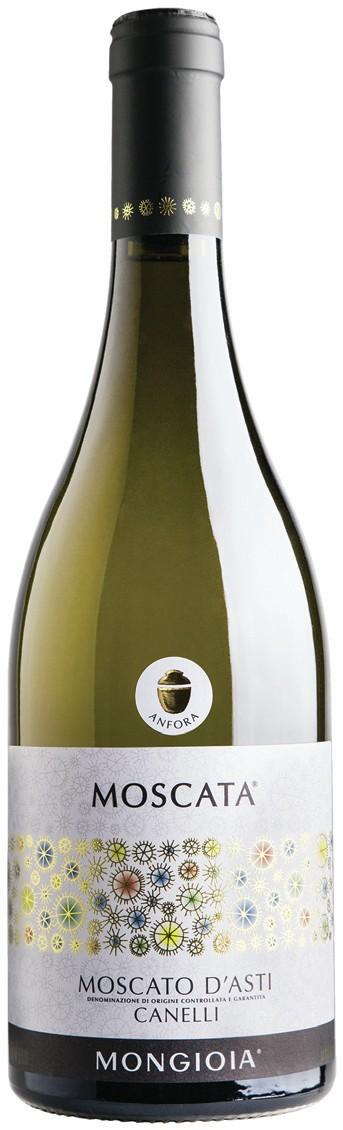
Overall, the lower alcohol levels, aromatic profile and natural sweetness that makes these wines highly versatile across multiple consumption occasions, ticks all the right boxes for consumers, increasing their relevance in multiple global markets. With a production of around 90 million bottles annually and a strong base of both historic producers – including Banfi, Canti-Fratelli, Martini and Cinzano – and dynamic family wineries such as Cadga, Matteo Soria and Mongioia, Asti DOCG continues to evolve while remaining rooted in its deep heritage. Today, Asti DOCG stands at the intersection of tradition and modernity, defining the future of approachable, premium sparkling Italian wines on a global scale.
Related news
Eclipse Beverages shows dividends of people-centred approach


