



Top 10 oldest wineries and distilleries in US
Ahead of Independence Day on Saturday, db reveals the ten oldest wineries and distilleries in the United States that remain operational, two of which predate the Declaration of Independence altogether.
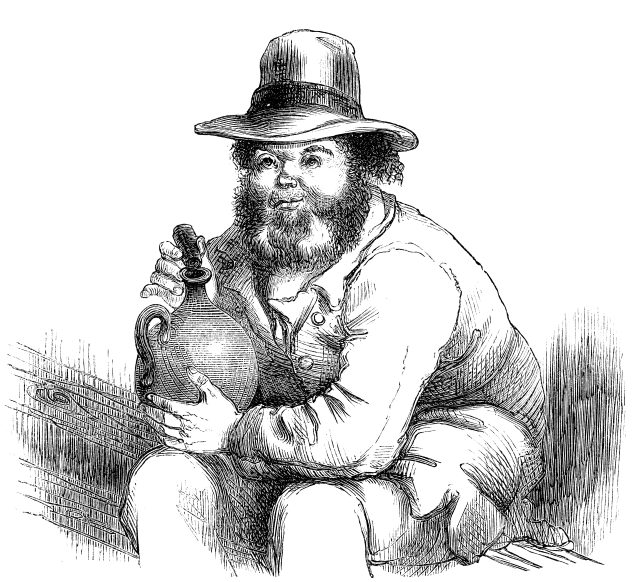
While Europeans are keen to remind their friends across the pond of just how much older their history is than that of the Americans, the US still has a rich history in distilling and winemaking. Here db looks at some of the oldest wineries and distilleries in America.
Laird & Company (New Jersey) – 1698
While Laird & Company only produced commercially from 1780, Scottish immigrant William Laird began distilling applejack (a traditional American apple brandy) as far back as the 17th century. The company regularly supplied George Washington with applejack, and still remains the main producer of the spirit worldwide, as well as other flavoured aged brandies. Now run by the 9th and 10th generations of the Laird family, it proudly holds the title of America’s oldest functioning distillery.
Buffalo Trace Distillery (Kentucky) – 1775
Buffalo Trace Distillery was given the name in 1999 to honour the ancient pathways carved by buffalo migration roots. The distillery remarkably remained in operation throughout Prohibition by legally producing medicinal whiskey, making it by far and away the oldest continuously operational spirit-making site. Today, it is recognised as the world’s most award-winning distillery, famous for brands like George T. Stagg, Pappy Van Winkle, and Blanton’s – the world’s first single-barrel Bourbon.
Baker-Bird Winery & Distillery (Kentucky) – 1797
Baker-Bird occupies the unique position of operating as both a distillery and a winery. Dating its distilling origins to 1797, its immense wine cellars were built in the 1850s. Though dormant from the late 19th century up until its revival by Dinah Bird in 2009, it did, quite remarkably, survive the Battle of Augusta, a Civil War conflict, in 1862.
Burks’ Distillery (Kentucky) – 1805
Continuing on the Kentucky theme, Burks’ was established in 1806 as a water-powered gristmill and distillery. Though operations ceased during Prohibition, in 1953 the property was bought to create Maker’s Mark, transforming the historic grounds into a landmark that is still in operation today. In 1980 the distillery was acknowledged as a National Historic Landmark, the first distillery in the US to be given that status. And today it produces about 34 million cases of Maker’s Mark per year.
Partner Content
Brotherhood Winery (New York) – 1839
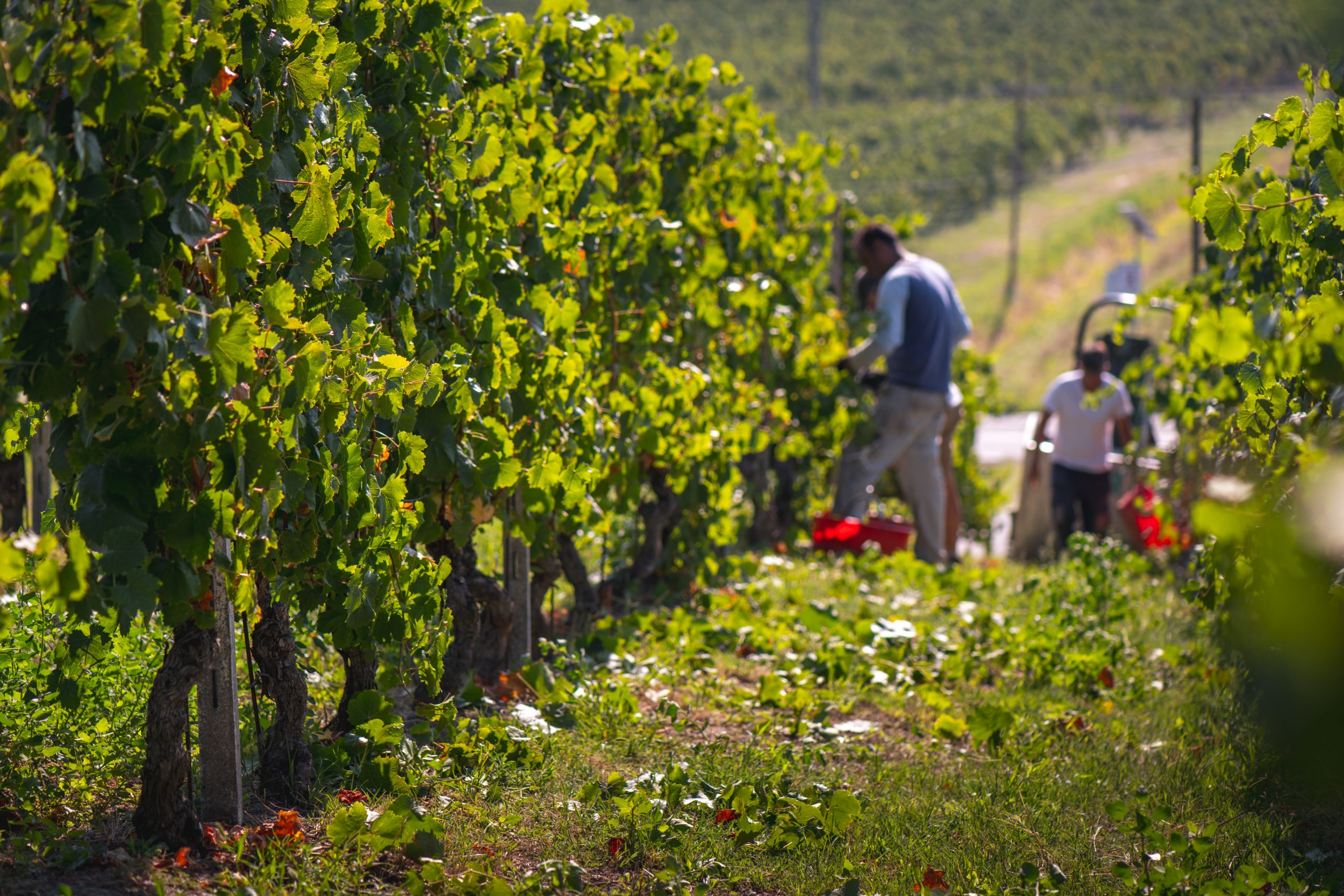
Claiming the title of America’s oldest continuously operating winery, Brotherhood founder, John Jaques, produced his first vintage in 1839. Similarly to Buffalo Trace, Brotherhood was able to continue production throughout Prohibition by pivoting to medicinal and sacramental wines. Now it is one of the biggest and most modern wineries in New York state, with all the viticulture equipment dated 2010 or newer, and boasting a state of the art water treatment plant. It is best known for its flagship Rieslings.
Adam Puchta Winery (Missouri) – 1855
German immigrant Adam Puchta established this winery almost two centuries ago. Now, seven generations later, it remains in the hands of his family. While commercial production was stalled during Prohibition and most of the equipment and vineyards were forced to be demolished, some of the equipment was saved by hiding it under piles of straw and still survives to be viewed today. It specialises in making wines from French-American hybrid and native grape varieties including Norton, Chambourcin, and Vignoles.
Buena Vista Winery (California) – 1857
From German immigrant to Hungarian, Agoston Haraszthy, ‘The Father of California Viticulture’, established this winery in the same year the world’s oldest football club (Sheffield F.C. in the UK) was founded. The Buena Vista estate pioneered California’s wine industry by importing hundreds of European vine cuttings and building California’s first wine caves in 1863, and today is best known for its Pinot Noir and Chardonnay that thrive in the relatively cool climate.
Charles Krug Winery (California) – 1861
There are two parts to this story. In 1861, Prussian immigrant Charles Krug inherited 540 acres of land in Napa Valley through his marriage to Carolina Bale, transforming it into the valley’s first winery. Upon his death, the estate changed hands numerous times until, in 1943, it was purchased by the Italian Mondavi family, under whom it still operates today. Under the Mondavis, the winery has pioneered several major industry standards, including early cold-fermentation techniques in 1946 and the use of French oak barrels for red wines in 1963, and is revered for its world-class Cabernet Sauvignon.
Jack Daniel’s (Tennessee) – 1875
The original Jack Daniel’s distillery was most likely established in 1875 by Jasper Newton “Jack” Daniel (though the date is a subject of some historical debate). Jack learned the distilling trade as a boy from an enslaved man named Nearest Green, who became the distillery’s first Head Distiller and taught Jack the signature sugar maple charcoal-mellowing process. Today, the distillery exports its famous “Old No. 7” Tennessee Whiskey to more than 170 countries worldwide.
Wente Family Vineyards (California) – 1883
Rounding out the list is another Californian winery. The vines that Ernest Wente (son of Carl who founded the winery) grafted in the early 1900s were so successful that they are responsible for more than 75% of Chardonnay vines in modern-day California. Today, the family winery places a special emphasis on sustainability, putting vineyards through rigorous testing and using electric tractors.
Related news
Westgarth Wines expands fine wine business into Europe with new hire
‘We make a wine for that’: Australia to relaunch national campaign


