



The new face of Languedoc
As the Languedoc continues its evolution from high-volume production to a source of premium, terroir-driven wines, producers are increasingly looking to reposition the region on the global stage. Edward Vellacott, managing director at Crush Wines, tells db why altitude, site selection and a fresh take on southern French wine are shaping the next chapter for the region.
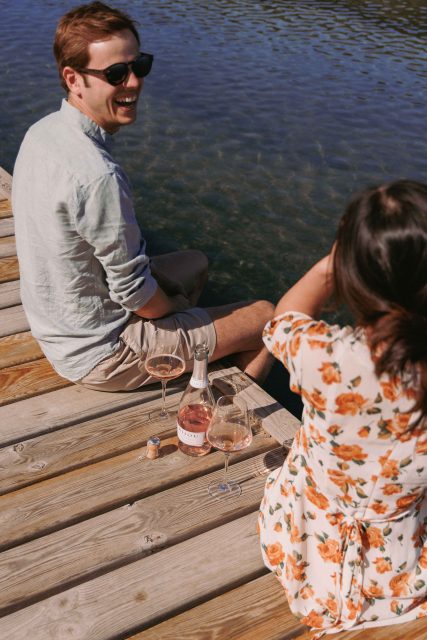
Q&A Edward Vellacott, managing director at Crush Wines
The Languedoc has historically been associated with volume, how would you describe its evolution into a region capable of producing premium wines?
The shift from volume to quality is no longer a “future” ambition; it is an established reality. Today, the Languedoc has emerged as one of France’s most dynamic premium discovery regions. The evolution has been driven by a move toward marginality, finding those specific sites where the vine must work harder to produce fruit with real structural integrity.
Premiumisation is now built into the region’s architecture through recognised appellations and Crus like Pic Saint-Loup and Terrasses du Larzac. At Bijou, we believe the next step is “flying the flag” internationally. The region needs producers capable of combining this world-class terroir with a modern, desirable aesthetic that resonates with a global audience.
One of the region’s strengths is its diversity of terroir. How does that influence the style and identity of Bijou’s wines?
Diversity is our defining strength. In the Coteaux de Béziers, the vines are planted on Villafranchian terraces and rolled pebbles that radiate heat, tempered by the cooling Cers wind. This results in wines with Mediterranean generosity (ripe, expressive fruit) but with a distinct saline finish from the nearby coast.
By contrast, our work in the Haute Vallée de l’Aude focuses on clay-limestone soils and alpine influences to produce tension and precision. This diversity allows Bijou to offer a portfolio that is stylistically varied yet coherent. Every wine is an authentic facet of the South, presented through a clean, minimalist lens that removes the intimidation factor often associated with French wine.
Limoux is increasingly seen as a cool-climate hotspot within the Languedoc, what makes this area so distinctive?
Limoux is a geographical anomaly. It is the point where Mediterranean warmth meets Atlantic airflow and Pyrenean altitude. This tempered environment creates a much longer, more even ripening cycle than people expect from the South of France. As a producer, this allows us to achieve wines driven by finesse and aromatics rather than sheer power. It challenges the traditional solar perception of the Languedoc and offers a freshness that is incredibly relevant to modern consumer palates.
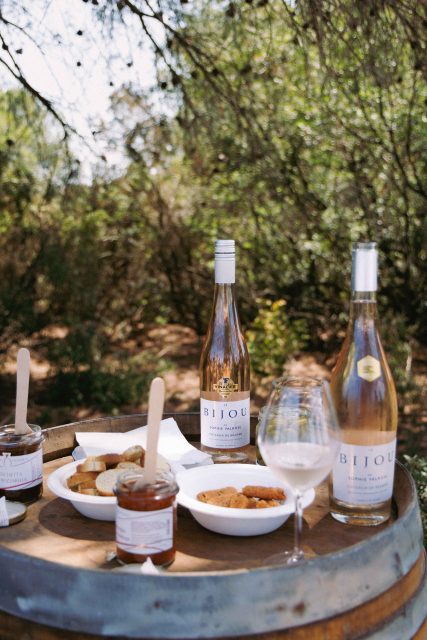
How important is altitude in shaping the quality, freshness and balance of wines from the Haute Vallée de l’Aude?
Altitude is fundamental, especially as a safeguard against climate change. In the Haute Vallée, being at 450–500 meters creates a consistent diurnal shift. Warm days ensure phenolic ripeness, while the cool mountain nights preserve the acidity and slow the vine’s metabolism. This balance is what gives our wines their “nerve” and energy. It allows us to move away from broader styles toward wines with greater clarity, structure, and a leaner, more contemporary profile.
Partner Content
There’s growing attention on premium Chardonnay from Limoux, what sets these wines apart from more established regions like Burgundy?
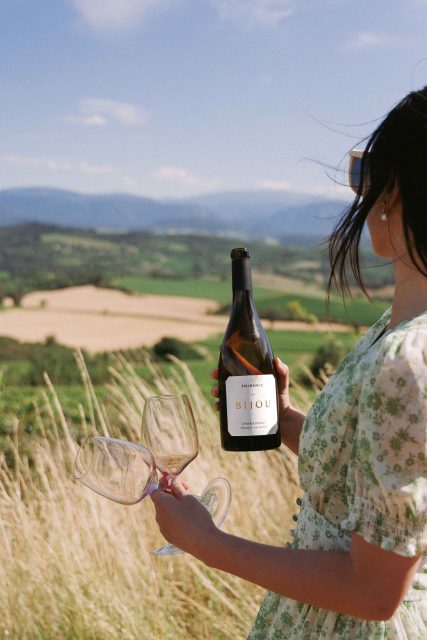
The attention on Limoux Chardonnay reflects a search for site-specific elegance without the price inflation we are seeing in other regions. Our Vestige de Bijou Chardonnay comes from the highest and steepest sites with predominantly heavy clay-limestone soils. This is critical because the clay acts as a hydric regulator during the summer, while the limestone provides that distinct mineral tension and high pH stability in the fruit. When you taste our Chardonnay from this region, you aren’t getting the “tropicality” of the South; you’re getting white flowers, citrus zest, and a crystalline acidity that is a direct result of that slow, alpine-influenced ripening cycle.
Technically, we are looking for reductive precision. We use very light, integrated oak and controlled malolactic fermentation because we don’t want to mask the fruit’s natural “nerve.” 10-12 months in French oak barrels then helps balance the high natural acidity of the Aude. With only 1,200 bottles, Vestige is an unapologetic expression of what Limoux can achieve when treated with the same reverence as a Cote d’Or site.
What are the key challenges of working in these higher-altitude, more marginal vineyard sites, particularly in the context of climate change?
Marginal sites are inherently high-risk. We face greater exposure to frost, a lack of water, and lower yields. There is no margin for error in the vineyard. However, these challenges are offset by the longevity these sites offer. Altitude provides a natural air-conditioner, helping us manage alcohol levels and maintain acidity naturally. We also look for resilience through varietal choice – championing grapes like Caladoc (a cross between Grenache and Malbec) in our rosé blends because they are naturally more resistant to drought and coulure while maintaining the structural freshness that is the Bijou signature.
Do you think perceptions of the Languedoc are changing among trade and consumers, and what still needs to shift?
Perceptions of the Languedoc are evolving but not at the same pace across the market.
Within the trade, there is already a strong understanding that the region can deliver site-driven, premium wines. Sommeliers and specialist buyers are increasingly confident listing Languedoc Chardonnay and Pinot Noir because the quality is there.
Consumer perception is slower to evolve. The region is still widely associated with volume and value, creating a disconnect between how the wines are understood by the trade and how they are perceived on the shelf.
Bridging that gap is the next challenge. It requires clear positioning, consistent quality and strong storytelling. Wines like Vestige are important in this respect because they provide a clear reference point for what the region can achieve.
Related news
Why electrolytes have become wine's newest additive
Bordeaux marks milestones with commemorative bottles
#WeekInPictures: the Queen visits Plumpton as craft beer and rum move into new territory


