



Whisky outguns wine at major South Korean retailer
Whisky has outstripped wine to become the second best-selling alcoholic drink at one of South Korea’s largest retailers, reflecting changing consumer habits amid high inflation and a growing preference for drinking at home.
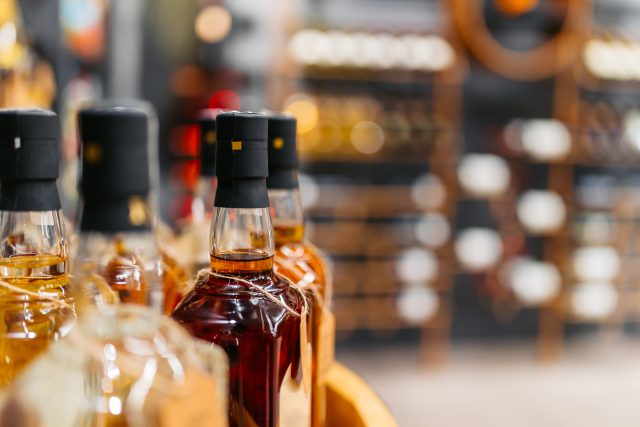
Lotte Mart said whisky ranked as its second biggest liquor category in the first half of the year, outpacing wine for the first time after two years in which the sales rankings remained unchanged.
Between 2023 and 2024, domestic beer was the retailer’s top-selling alcohol, followed by wine, whisky, soju, imported beer and traditional spirits. This year, whisky has climbed to second place, while wine has dropped to third.
Whisky sales rose 2.3% compared with the same period last year. Demand for blended whisky increased by 13.6%, while Japanese whisky sales grew by 12.6%.
By contrast, wine sales fell 1.1% over the same period.
Whisky’s growing popularity can be put down to inflation, which has encouraged consumers to seek better value for money. The retailer also said the continued popularity of drinking at home or alone has boosted demand, as a single bottle of whisky can be consumed over multiple occasions.
Other alcohol categories also recorded growth.
Partner Content
Imported beer sales rose by 11.2% year-on-year, while soju sales increased by 2.2%. Fruit-flavoured soju proved particularly popular, with sales surging 41.7% compared with a year earlier.
The retailer also reported continued growth in non-alcoholic and alcohol-free drinks.
The share of non-alcoholic products in total liquor sales has more than doubled, rising from 6% in 2021 to 14% in the first half of this year.
Sales of alcohol-free beverages increased by 23.7% in 2024, 11.4% last year and 25.4% in the first six months of this year. Despite an overall decline in wine sales, non-alcoholic wine recorded a 41.2% increase during the same period.
The continued rise of inflation has had broader implications for Korea’s hospitality scene. The nation has lost nearly half of its neighbourhood pubs over the last eight years, with consumers increasingly opting to drink at home rather than go out.
Health data point to changing attitudes towards alcohol among younger adults. Alcohol consumption in South Korea fell at the quickest pace in seven years in the first few months of 2026, government data from Korea Statistics Data Agency has revealed, as younger generations increasingly shun heavy drinking and turn towards health-conscious lifestyles.
The Covid pandemic also accelerated changes in social behaviour, with many consumers continuing to favour drinking at home rather than visiting bars and pubs.


