



Two wineries from Perelada Chivite group attain climate certification
In recognition of progress across holistic sustainability goals, the Perelada and Celler del Pescador wineries in Empordà, northeast Spain have attained Sustainable Wineries for Climate Protection certification.
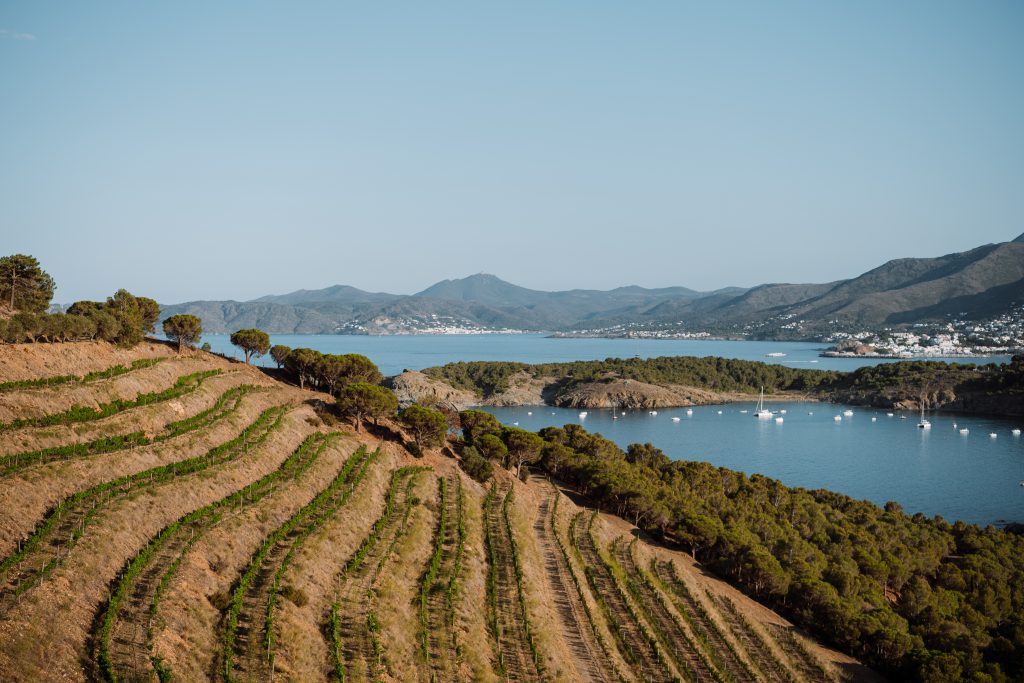
Two wineries in the Perelada Chivite group – Perelada’s operation in DO Empordà and Celler del Pescador – have been awarded Sustainable Wineries for Climate Protection (SWfCP) certification. The scheme, instituted by the Spanish Wine Federation in 2015, recognises wineries for their progress against environmental, social, economic and governance goals.
The group has an extensive history with the programme. Perelada was one of seven founding wineries that signed the Wineries for Climate Protection manifesto in 2011, and its winery in Vilafranca del Penedès has held the certification since 2017.
A long-term approach at Perelada
Sustainability in the vineyard and, in particular, organic viticulture are key to the success of Perelada. All of its owned vineyards, including its standard-bearer Finca Garbet, are farmed organically. It also includes a certified organic Cava in the range, produced at that Vilafranca del Penedès winery.
To further support the natural environment, Perelada is implementing regenerative practices. Finca Garbet, alongside Malaveïna, is one of two estates to already achieve certification. In doing so, Perelada aspires to restore biodiversity and sequester carbon dioxide.
Other notable initiatives include an irrigation system that makes use of wastewater, with Finca Garbet now 100% irrigated with reclaimed water from the municipal treatment plant in Colera.
Partner Content



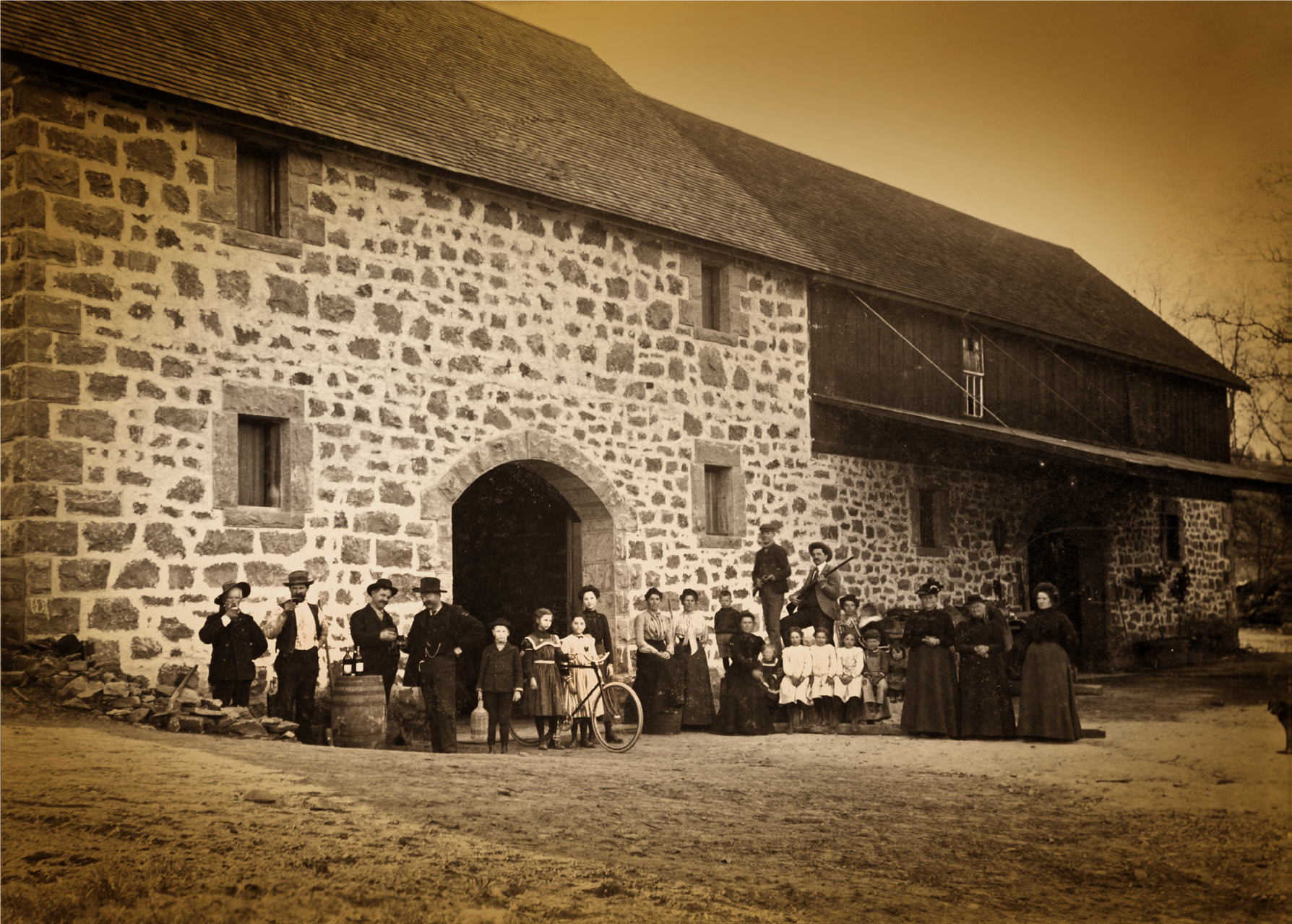
Perelada also completed a hi-tech winery in 2022, which was the first winery in Europe to gain LEED (Leadership in Energy and Environmental Design) Gold certification. In elements such as geothermal power, maximising natural light and ensuring water reuse, it was built to support long-term sustainable development. As chief winemaker Delfí Sanahuja commented to db in 2024, it was “to give back to the land that has generously supported us and to create a lasting legacy for future generations”.
New directions at Celler del Pescador
At the other winery, even newer premises are minimising the environmental impact as Celler del Pescador makes its semi-sparkling wines. It opened a new winery in 2025.
The site has taken a lead on energy use, addressing its emissions with regards both to generation and efficiency. Its solar panels provide more than 90% of its energy demands on-site, helped by machinery selected for its low energy consumption.
There is also a wastewater treatment plant to reduce wastage and recycling systems in place to reuse materials wherever possible. Moreover, Celler del Pescador has automated key processes and integrated itself into the group’s distribution centre so that its operations are optimised and minimising waste.
Related news
Is Canadian fizz nearing its 'Nirvana' moment?
Louis Roederer enters Burgundy with Domaine Pierre Damoy acquisition


