



Drinks sector eyes opportunity as India-UK trade deal comes into force
The India-UK Comprehensive Economic and Trade Agreement (CETA) has come into force today, slashing tariffs and expanding market access for businesses, with the spirits sector hoping to see some of the most significant long-term benefits.
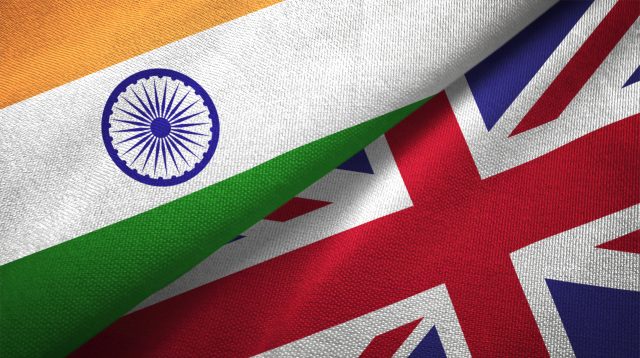
The deal will see India remove or reduce tariffs on around 90% of UK product lines it currently taxes, while Britain will provide duty-free access to 99% of Indian exports.
The agreement marks the start of a gradual reduction in India’s import duties on Scotch whisky and other spirits over the next decade. From today (Wednesday 15 July), India will cut tariffs on Scotch from 150% to 75%, with another drop to 40% after 10 years.
The move is expected to improve the competitiveness of UK producers in what is already the world’s largest whisky market by volume.
Nodjame Fouad, CEO of the Aged Spirits and Champagne division at Pernod Ricard, welcomed the agreement. “The opening up of the Indian market represents a significant opportunity for the UK as the world’s leading exporter of spirits, and a welcome boost for the Scotch whisky industry,” he said.
“It supports Scotland’s export ambitions, enhancing competitiveness in a key international market and reinforcing the contribution our industry makes to jobs, investment and economic growth across Scotland and the wider UK.
“We are grateful to the UK and Indian Governments for their efforts in delivering this agreement and we will work hard to help realise its full potential.”
India’s Commerce and Industry Minister Piyush Goyal said the agreement would open “new avenues for trade, investment and innovation” and foster fresh opportunities for Indian businesses.
According to India’s trade ministry, the country exported US$13.44 billion of goods to the UK in the 2025-26 financial year and imported US$11.68 billion. Bilateral services trade reached US$35.44 billion in 2024, with India recording a services surplus of almost US$7.9 billion.
However, the agreement has also prompted calls from India’s domestic alcohol industry for state governments to review local tax policies before tariff reductions begin to affect the spirits market, as previously reported by the drinks business.
Partner Content




The Confederation of Indian Alcoholic Beverage Companies (CIABC), which represents domestic producers, has urged states to withdraw tax and regulatory concessions that favour bottled-in-origin (BIO) imported spirits over Indian-Made Foreign Liquor (IMFL).
While supporting the trade agreement, the organisation argues that lower import duties, combined with existing state-level incentives for imported brands, could place locally distilled products at a competitive disadvantage.
The industry body says several states, including Delhi, Haryana, Maharashtra, Madhya Pradesh, Odisha, Assam and Kerala, currently provide preferential treatment for BIO products through lower excise duties, reduced registration fees, lower sales taxes or easier market access.
According to CIABC, the combination of these incentives and falling import tariffs could create what it describes as a “double advantage” for imported spirits.
In Haryana, for example, the group says registration fees for IMFL brands can be up to 30 times higher than those for bottled-in-origin products, while VAT is around four times higher. In Assam, it says premium Indian-made spirits face excise duties between three and 5.2 times those applied to comparable imported products.
CIABC Director General Anant S. Iyer said state governments should review concessions that create what he described as a structural disadvantage for Indian-made brands.
He said the aim was not to restrict consumer choice but to ensure fair competition between Indian-made spirits, bottled-in-India products containing imported Scotch and fully imported bottled-in-origin brands as tariff reductions begin to take effect.
Alongside the trade agreement, a Double Contribution Convention will exempt eligible Indian professionals and their employers from paying UK National Insurance contributions for assignments of up to five years, a measure expected to benefit around 75,000 workers and 900 employers.
The agreement also opens access to government procurement markets, with Indian suppliers eligible to bid for around £90 billion worth of UK public contracts, while UK businesses gain reciprocal opportunities in India’s procurement market, valued at about US$114 billion.


