



Digital ID to be accepted for UK alcohol sales
Digital proof of age will be accepted for alcohol sales in England and Wales from autumn 2026 under changes announced by the Home Office. While the move is intended to modernise age verification, experts argue its success will depend on clear guidance, staff training and robust safeguards to ensure consistent implementation and prevent abuse of the system. db reports
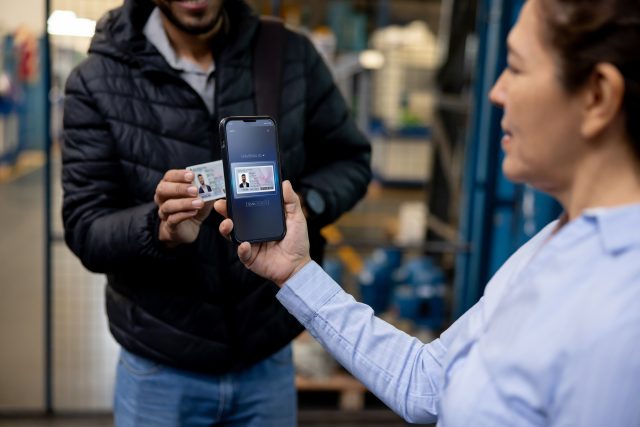
The government says it will amend the Licensing Act 2003 Mandatory Licensing Conditions Order to allow certified Digital Verification Services (DVS) to be used as proof that a customer is aged 18 or over.
In doing so, the UK follows in the footsteps of countries including Australia, where citizens can access a range of private services, from banking to buying alcohol, with their digital ID, cutting back on the need for multiple separate accounts and pieces of paper.
The change in legislation is intended to modernise existing rules, which currently require customers to present physical documents such as passports or driving licences containing a photograph, date of birth and security features.
“The key challenge won’t be the technology itself, but achieving consistent implementation across the hospitality sector,” says Michael Kill, CEO of The Night Time Industries Association (NTIA). “Venues will need clear guidance, effective staff training and confidence in recognising certified digital credentials, particularly during the early stages of adoption.
“There will inevitably be attempts to exploit any new system, so ensuring robust safeguards against misuse, particularly around underage access and fraudulent credentials, will be essential. The sector will also be looking closely at how digital IDs integrate with the ID scanning and verification systems already widely used at venue entrances.”
Sector implications
Kill continued: “Consumer confidence will be another important consideration. Previous debates around digital credentials have shown that some people have concerns about privacy or personal freedoms, whether based on perception or misinformation.
“Clear communication about how these systems work, and what data is or isn’t shared, will be important in supporting consistent adoption across the market.”
Announcing the changes, policing and crime minister Sarah Jones said the new system would offer people a secure way to prove their age without needing to carry important identity documents.
“Members of the public who are fortunate enough to look younger than their age, but are always having to carry their passport or driving licence to prove they are 18 or over to buy a pint in a pub, will soon no longer have this dilemma,” she said.
She added that digital identification would allow people to verify their age without revealing unnecessary personal information to bar staff, while those who preferred to use physical documents would still be able to do so.
The Home Office said the change reflects the growing use of secure digital technologies and aims to bring licensing legislation in line with modern consumer habits.
Partner Content




Clear communication needed
At present, this Draft Order simply amends the mandatory licensing conditions to allow premises to accept a certified Digital Verification Service (DVS) as proof of age. It does not replace the existing forms of acceptable identification.
UK law firm Poppleston Allen walks the drinks business through the potential challenges and opportunities here for hospitality.
“Digital ID providers may decide to charge operators for the technology needed to verify a customer’s digital ID on their mobile phone or till systems, plus there will be the costs associated with staff training,” according to Suraj Desor, senior associate solicitor at Poppleston Allen.
“That said, the explanatory Government memorandum to the Order suggests that there could be commercial benefits, such as alcohol sales to those people who forget to take physical ID out with them or who think that a photo of ID suffices, which is does not,” he added.
However, he did forecast a potential scenario in which some younger customers rely solely on a mobile phone digital ID and carry no physical identification.
“If a premises does not have the capability to verify a digital ID, those customers would need to be refused service despite having valid proof of age,” he said.
“For this reason, it will be important for the Government and others involved, such as Trading Standards, to communicate these changes clearly to both operators and consumers. “
The updated rules are expected to come into force in autumn 2026, subject to the necessary legislation being approved.
Julian Howison, chief executive of identity verification provider Totum, hopes the changes will make age checks quicker and more convenient for both businesses and consumers.
He said research commissioned by the company earlier this year, involving 2,000 students, apprentices and professionals, found that 31% of respondents carried identification with them every day, despite 30% saying they were asked to prove their age at least once a week.
Howison said digital age verification could improve privacy by sharing only the information needed to confirm a customer’s age, rather than displaying other personal details.
Totum said it has been working with government departments on the development of its digital proof of age product, Totum D-PASS, which is expected to be piloted in retail stores, student unions and hospitality venues ahead of the legislative changes.


