



Carlsberg emerges as World Cup winner despite smaller than expected beer boost
The 2026 FIFA World Cup delivered a smaller uplift to global beer volumes than Morgan Stanley had expected, after several major brewing markets exited the tournament earlier than forecast. Carlsberg nevertheless appears to have gained more than its rivals from the teams that progressed furthest.
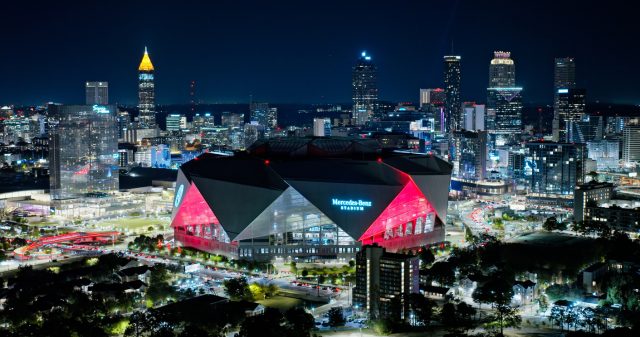
Morgan Stanley has cut its estimate for the World Cup’s contribution to global beer volumes after early eliminations for several important markets reduced the expected sales benefit.
The bank now predicts that the tournament will add 17 basis points to global beer volumes for the full year, down from its previous estimate of 24 basis points.
Brazil, Germany and Colombia were among the markets whose earlier than expected exits limited the duration of heightened consumer interest and drinking occasions.
Carlsberg gains from European progress
Carlsberg was described as the clearest positive surprise among the major brewers, benefiting from strong tournament runs by the UK, France, Switzerland and Norway.
The Danish brewer has a significant presence across those markets, leaving it better placed to capture continued demand as national teams progressed into the later stages.
Morgan Stanley had previously argued that the largest gains would be concentrated in markets whose teams reached the quarter-finals and beyond, when national interest, viewing figures and group drinking occasions tend to peak.
The effect of each additional match can therefore prove more important than the overall size of the tournament.
Brazil exit limits AB InBev uplift
AB InBev is expected to receive a smaller boost than initially forecast in Latin America following Brazil’s early elimination.
The brewer nevertheless retains a prominent role as the tournament’s official beer sponsor, giving it exposure across host cities, broadcast coverage and fan events beyond the performance of individual national teams.
Morgan Stanley sees the overall effects for Heineken and Royal Unibrew as broadly unchanged, with gains in some markets offset by weaker results elsewhere.
Inventory correction risk
The bank warned that brewers may now need to adjust third-quarter shipments to bring stock levels into line with actual demand.
The greatest risk of inventory corrections was identified in Brazil, Germany, Portugal and the Netherlands, where suppliers may have prepared for stronger or more prolonged tournament-related consumption.
Such adjustments could weigh on shipments even where beer sales to consumers remained above normal seasonal levels during the competition.
Early trade uplift
As previously reported by the drinks business, the World Cup generated higher footfall and drinks sales for many bars, retailers and hospitality venues during its opening stages.
NIQ research conducted before the tournament found that 22% of alcohol consumers globally planned to watch games in pubs, bars or restaurants. The figure rose to 26% among consumers aged between 18 and 34.
Almost two thirds of respondents said drinks promotions would influence their choice of venue, with 59% expecting to spend more on drinks during matches than they would on an ordinary visit.
Early sales figures suggested the tournament delivered a meaningful benefit. Beer sales across host markets rose 15.4% year-on-year, with Massachusetts recording a 30% increase and venues in Boston reporting exceptionally strong demand from visiting Scotland supporters.
UK beer sales also received a major lift during England’s match against Panama, when more than eight million pints were reportedly sold.
Gains varied by market
Bars close to stadiums and major transport hubs recorded some of the strongest results.
New York venues Avenida and The Rutherford said they were ordering around twice their usual volume of beer after investing more than US$75,000 in screens and audio-visual equipment.
Other operators reported growing demand for long drinks, spritzes and alcohol-free beer as customers settled in for several hours of football.
Retailers also saw increased interest in drinks associated with competing nations. Searches on Total Wine & More’s website rose 52.9% for Colombian aguardiente during the group stage, with Fernet searches climbing 35.2% around Argentina’s matches and aquavit searches increasing 33.6% during Norway’s campaign.
Related news
US beer sales skyrocket during the World Cup


