



Over the past 8 years, nearly half of Korea’s pubs have vanished
South Korea has lost nearly half of its neighbourhood pubs over the past eight years, according to official figures, as changing social habits and economic pressures reshape the country’s drinking culture.
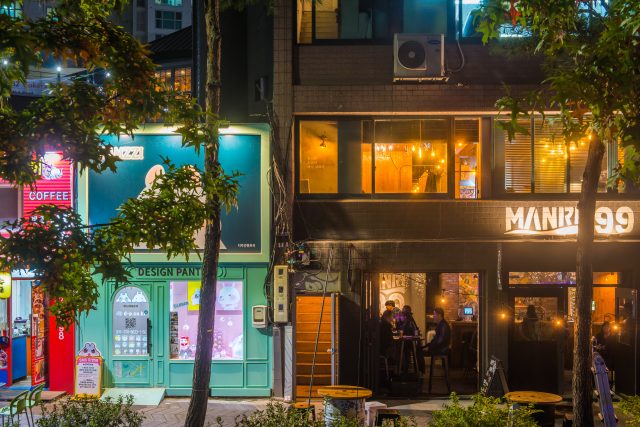
Data released by the National Tax Service (NTS) show that the number of casual pubs and beer houses nationwide fell to 28,178 in March 2026, down from 52,302 when records were first compiled in 2018. The decline means more than 24,000 establishments have disappeared, representing a 46% contraction in the sector.
The downturn has accelerated over the past year. Between March 2025 and March 2026, the number of pubs fell by 2,998, or 9.6%, equivalent to around eight closures a day.
Casual pubs, known locally as ganee jujeom, recorded a 10.2% annual decline, falling from 8,894 to 7,985 businesses. Beer-focused establishments, or hof pubs, dropped by 9.4% over the same period, from 22,282 to 20,193.
Years of elevated inflation have increased rents, labour expenses and operating costs, placing pressure on small independent businesses that dominate South Korea’s pub sector. At the same time, traditional after-work drinking gatherings which were once a staple of corporate culture, have become less common.
Partner Content


Younger South Koreans are also drinking less than previous generations, contributing to a broader decline in alcohol consumption.
Changing habits
Separate NTS data show domestic liquor shipments totalled 3.15 million kilolitres in 2024, down 17.3% from 3.81 million kilolitres a decade earlier. Shipments have fallen for two consecutive years since reaching a recent peak in 2022.
Beer, diluted soju and takju all recorded declines in 2024, with combined shipments falling by 2.9% compared with the previous year.
Health data point to changing attitudes towards alcohol among younger adults. Alcohol consumption in South Korea fell at the quickest pace in seven years in the first few months of 2026, government data from Korea Statistics Data Agency has revealed, as younger generations increasingly shun heavy drinking and turn towards health-conscious lifestyles.
The Covid pandemic also accelerated changes in social behaviour, with many consumers continuing to favour drinking at home rather than visiting bars and pubs.
Related news
Online searches 'through the roof' for Sancerre and chilled reds
World’s biggest brandy maker unveils £29.7m spending plan for 2026


