



Ancient DNA proves Chianti was once a white wine mecca
The discovery of 2,000 year old grape seeds in Chianti has revealed the Tuscan spot was once a predominantly white wine region. Scientists say white varieties were “curated and maintained for centuries” before the area became famous for its reds.
A hilltop settlement in Cetamura del Chianti played host to a telling find for the viticultural world. Grape pips dropped down drinking wells some time between 300 BCE and 300 CE, which ended up being preserved in mud due a lack of oxygen, reveal the truth about the nature of early winemaking in Chianti.
“We sequenced the DNA of 80 seeds and found a remarkable story of continuity,” said project leader Dr. Oya Inanli from the University of York’s Department of Archaeology.
Surprising find
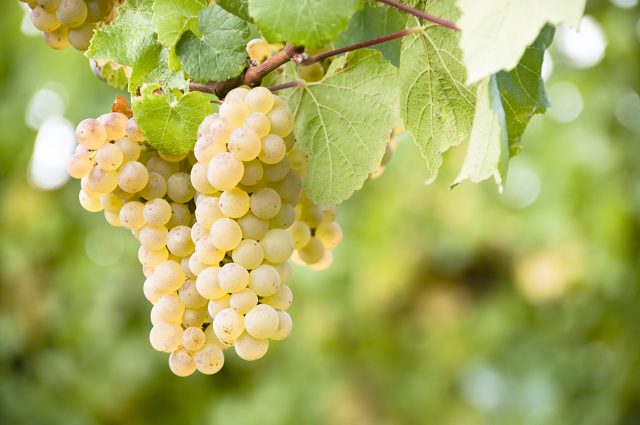
“A large majority of the tested seeds belonged to a single, identical variety passed directly from the Etruscans to the Romans and maintained for centuries. We were also able to go a step further with the genetic testing and determine the colour of the ancient grapes,” Inanli continued.
“The markers revealed that that this dominant, long-lived clone produced white berries.”
Partner Content

Following the Romans settling in the town of Cetamura, entirely new grape varieties appeared in the region, suggesting that the expanding Roman empire was introducing favourite grapes in whichever areas they conquered.
The research, published in the Journal of Archaeological Science, “adds an important chapter to the history of wine in the viticulture region of Chianti,” said Professor Nancy de Grummond from Florida State University, which was also involved in the analysis. “What a delightful surprise to learn that the world-famous red wine of today was actually preceded by a white vintage that was curated and maintained for centuries in Etruscan and Roman times.”
Eastern European descendents
Among the find at Cetamura was another ancient grape seed connected to a family of varieties that are still grown today in areas of Eastern Europe. Its closest match is Baratcsuha szurke, cultivated in Hungary, while it also has direct links to Maribor vines grown in Slovenia.
Dr Nathan Wales, also from the University of York, said: “When you drink wine made from these relic varieties, you are tasting history that is just a stone’s throw from what was served at Roman dinner tables thousands of years ago.”
Related news
Wanderlust bets on Sardinia as demand shifts to Italy's lesser-known regions


