Close Menu
News

Welsh recycling scheme raises trade fears

Concerns over costs, cross-border trading and product availability have resurfaced following fresh debate around Wales’ deposit return scheme.

A family-owned wine merchant has warned that Wales’ incoming deposit return scheme (DRS) could create additional costs and supply complications for the drinks trade.

According to BBC reporting, James Tanner, owner of Tanners wine merchants, said he would be “reluctant” to expand further in Wales because of the scheme, which is due to launch in October 2027.

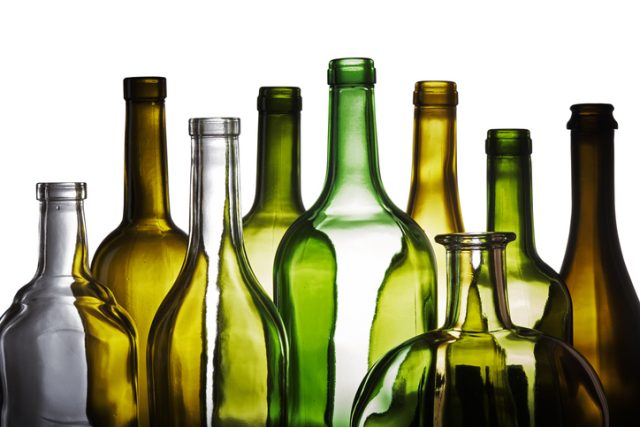
Under the plans, consumers in Wales will receive cash or vouchers for returning empty drinks containers for recycling or reuse. Unlike schemes planned for England, Scotland and Northern Ireland, Wales’ DRS will also include glass bottles.

Tanner, whose company operates facilities in Welshpool and Llandudno and employs around 60 people, told the BBC his main concern centred on the need for dedicated barcodes for bottles sold in Wales.

He said the requirement could force businesses to hold separate Welsh and English stock, adding costs and creating logistical difficulties for companies operating across the border.

“It would add cost,” Tanner told the BBC, adding that the situation would be “particularly difficult when you’re delivering up and down the Welsh borders”.

Partner Content

He also said some suppliers may refuse to comply, claiming some producers in France’s fine wine regions “won’t put barcodes on their product anyway”.

While Tanner said he supported efforts to keep “cans and plastic bottles off the road”, he warned the scheme could be vulnerable to fraud without a UK-wide barcode system for glass.

“There would probably be a reduction of choice as well in terms of wine going into Wales,” he added.

‘Transformational’ benefits

Others have welcomed the move. Owen Derbyshire, chief executive of environmental charity Keep Wales Tidy, told the BBC the scheme could have a “transformational” effect on litter reduction.

He pointed to international examples including Germany, Scandinavian countries and the Republic of Ireland, where DRS systems are already established.

“If you look at how DRS operates internationally, within a year or two we see return rates going up and then the corresponding drop in litter rates is genuinely transformational,” Derbyshire said.

The Welsh government has previously said the scheme would help Wales build on its “already world-leading recycling levels” and would be phased in over four years, with exemptions intended to avoid added costs for smaller businesses.

Related news

UK backs Benidorm nightlife safety push

Spritzes provide the best low-calorie cocktail option

OIV: tariffs and climate weigh on wine trade

Leave a Reply

Your email address will not be published. Required fields are marked *

It looks like you're in Asia, would you like to be redirected to the Drinks Business Asia edition?

Yes, take me to the Asia edition No

The Drinks Business
Privacy Overview

This website uses cookies so that we can provide you with the best user experience possible. Cookie information is stored in your browser and performs functions such as recognising you when you return to our website and helping our team to understand which sections of the website you find most interesting and useful.