



South Africa predicts high-quality 2026 wine harvest
South Africa’s wine industry has reported a technically demanding but high-quality 2026 harvest, with producers overcoming climatic extremes to deliver concentrated wines with strong premium potential. Industry bodies said the vintage demonstrates both the adaptability of vineyard teams and South Africa’s growing focus on value-driven, premium wine production for global markets.

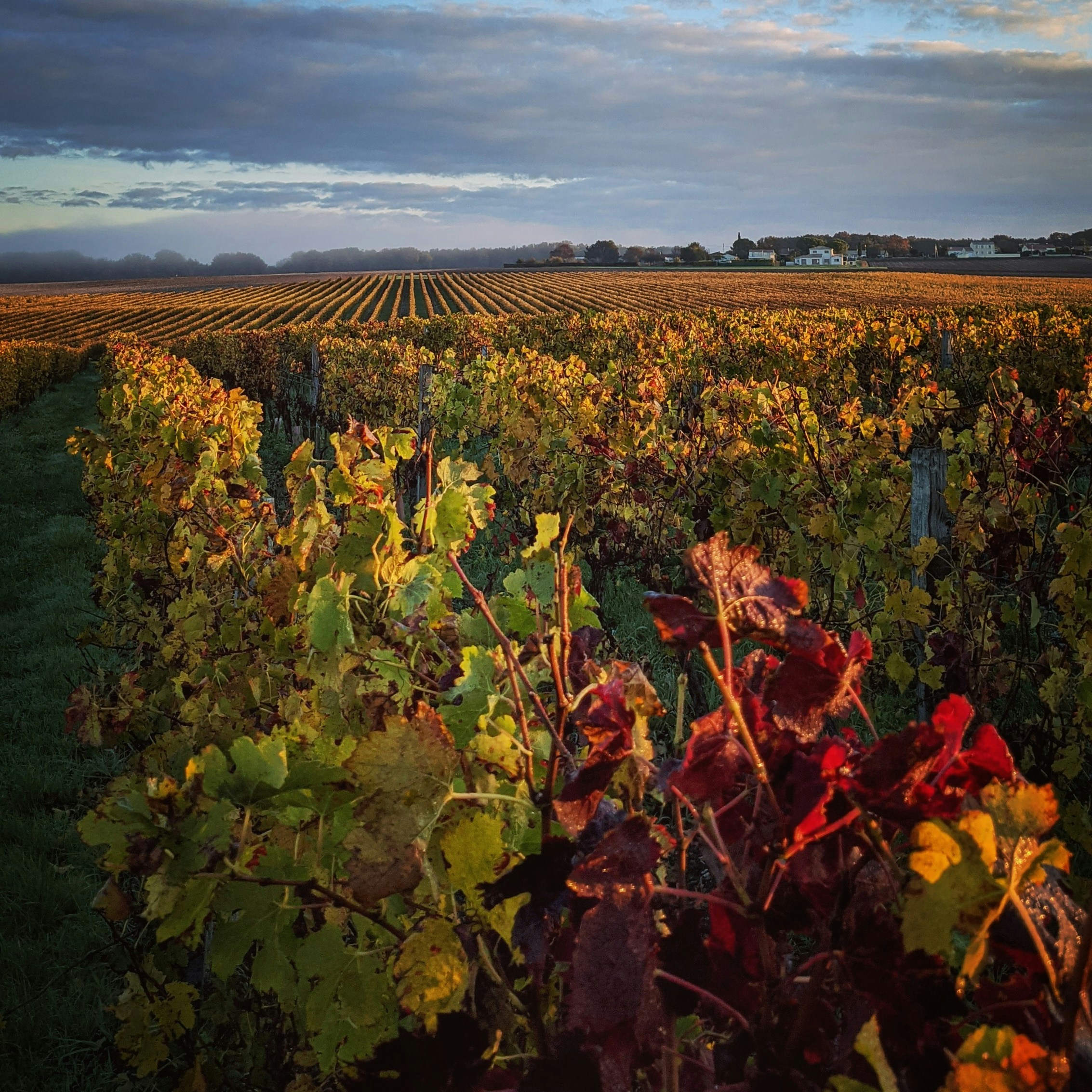
South Africa’s 2026 wine harvest has been described by producers as a “pendulum season”, marked by swings between dry conditions, heavy rainfall and intense late-season heat.
According to industry figures, the national grape harvest is estimated at 1.370 million tonnes, representing a moderate recovery from 2025 following several smaller vintages in succession.
A warm and dry growing season initially supported vineyard development and fruit set before February rainfall brought relief to water-stressed regions while simultaneously increasing disease pressure in some areas. Heat spikes in March then accelerated ripening and compressed harvest windows.
The result, according to producers, has been smaller berries with concentrated flavours, balanced acidity and strong colour development in red wines.
Technical expertise credited for quality
Etienne Terblanche said the season required producers to make highly precise decisions in both vineyard and cellar management.
“This was a highly variable and technically demanding season, requiring producers to make precise, informed decisions in both the vineyard and cellar,” he said.
“From canopy management and irrigation discipline to selective harvesting and careful sorting under disease pressure, the 2026 harvest highlights the depth of expertise across our industry. The result is wines with excellent balance, concentration and strong premium potential.”
According to the official harvest report, producers were forced to adapt constantly throughout the season, adjusting harvest timing, managing disease risk and handling compressed picking windows that placed pressure on cellar logistics and capacity.
Global oversupply continues to weigh on sector
The harvest arrives amid continuing pressure across the global wine market.
Industry leaders acknowledged that slower consumer demand, elevated stock levels and pricing pressure continue to constrain growth internationally, particularly for producers competing in oversupplied categories.
Rico Basson said the sector remains focused on protecting long-term value rather than chasing volume through aggressive discounting.
“The challenge in the current market is protecting value in an environment where global oversupply and pricing pressure are driving increased competition,” he said.
Partner Content


“South Africa has clear strategies in place to steer these conditions responsibly, with a strong focus on premiumisation, market diversification, disciplined supply management and long-term brand positioning.”
Basson added that approximately 60% of South African wine is consumed domestically while exports reach more than 120 countries, providing broader market resilience.
Export outlook strengthened by quality
Wines of South Africa said the quality of the 2026 vintage strengthens South Africa’s position in international markets.
Siobhan Thompson said: “Global markets are increasingly looking for authenticity, quality and consistency – and the 2026 vintage delivers on all three.”
She added that the vintage demonstrated the capability of South African producers to deliver under pressure, particularly across varieties including Chardonnay, Sauvignon Blanc, Chenin Blanc, Pinotage and Cabernet Sauvignon.
“What stands out in 2026 is not only the quality of the wines, but the expertise and capability behind them,” Thompson said.
Industry continues to navigate structural pressure
The optimistic harvest outlook follows a difficult period for the South African wine industry.
As previously reported by the drinks business, analysis by FTI Consulting found that South Africa’s vineyard area declined by around 12% between 2014 and 2023, while rising production costs and ageing vineyards placed heavy pressure on profitability.
According to that report, only around 8% of producers were profitable by 2023, while approximately 43% were operating at a loss.
The industry also saw nearly a third of primary grape growers exit the sector over the same period, with smaller producers particularly exposed to rising costs and declining yields.
Premium ambitions remain central
Despite those pressures, industry leaders believe the 2026 harvest provides an opportunity to strengthen South Africa’s premium positioning internationally.
The sector continues to present itself not simply as a resilient wine-producing nation, but increasingly as a source of high-quality wines capable of competing confidently on the global stage.
For producers emerging from a technically difficult growing season, the vintage may offer both commercial opportunity and a measure of reassurance after several years of economic and climatic strain.
Related news
Former Wines of South Africa UK team launch WineWorks Studio
Why South African wine is betting on premium over volume
China axes tariffs for African imports, but what does this mean for South African wine?


