



Inside the chemistry of the Paloma
Why do tequila and grapefruit work so well together? db takes a closer look at the chemistry, flavour compounds and production choices that make the iconic Paloma work so well.
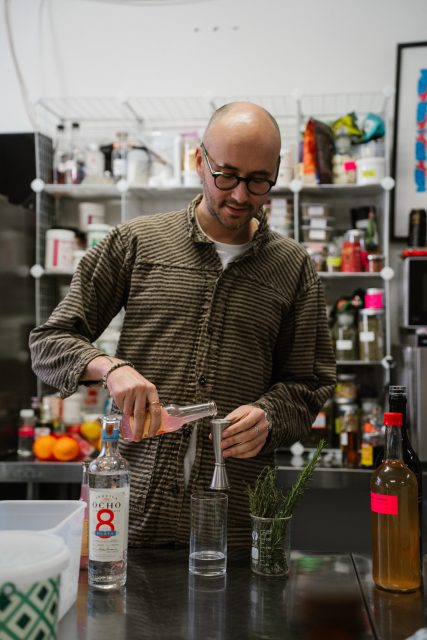
Tequila Ocho, Three Cents and drinks consultancy Crucible have shared their thoughts on why the Paloma works so well, offering a technical breakdown of the chemistry, flavour compounds and production variables behind the classic tequila cocktail.
In a paper shared with the drinks business, Stu Bale of Crucible breaks down the cocktail science, while Jesse Estes of Tequila Ocho explores tequila’s agave, terroir and fermentation profile. George Bagos of Three Cents explains the role grapefruit oils, carbonation and flavour delivery play in the finished serve.
The contributors argue that the Paloma’s success goes beyond a straightforward pairing of tequila and grapefruit soda.
According to the paper, tequila’s flavour profile is shaped by roasted blue agave, fermentation and, in some cases, barrel ageing. Key compounds include isoamyl alcohol, ethyl acetate, furfural, vanillin-type compounds and beta-damascenone.
Isoamyl alcohol is described as accounting for “5-10% of the flavour profile”, contributing banana, pear and tropical fruit notes, while furfural and vanillin compounds are said to provide toasted grain, woody and sweet characteristics linked to roasted agave and oak influence.
Tequila style shapes the serve
Estes also explains how tequila production decisions can affect the final cocktail.
Agave grown in the Highlands, or Los Altos, is said to produce tequilas with “higher concentrations of floral esters and beta-damascenone”, resulting in sweeter, more perfumed spirits with stronger fruit character.
By contrast, agave from valley regions such as Tequila Valley and Arandas is described as producing more herbaceous and earthy tequilas, with elevated levels of isoamyl alcohol and vegetal aldehydes.
The paper suggests these differences should influence how bartenders approach the drink. Highland blanco tequilas are positioned as a better match for pink or red grapefruit, while valley expressions are said to work well alongside the bitterness of white grapefruit.
Partner Content


Spontaneous fermentation, distillation cuts and agave maturity are also highlighted as factors that influence texture, sweetness, acidity and aromatic complexity.
Traditionally fermented tequilas, including Ocho, are noted for adding “more depth” to the serve through greater microbial complexity.
Three Cents highlights peel oil extraction
Bagos focuses on Three Cents Pink Grapefruit Soda and the company’s decision to use grapefruit peel oils rather than juice.
He explains that Three Cents does not use grapefruit juice, instead extracting essential oils directly from pink grapefruit skin. This is said to create higher concentrations of limonene and beta-myrcene, the compounds largely responsible for grapefruit aroma.
As a result, the soda is described as delivering “a huge aromatic hit” while containing less acidity than juice-based alternatives.
The paper therefore recommends adding acidity back into the serve with either fresh lime juice or a citric and malic acid solution.
Carbonation is also positioned as more than a textural element, with CO2 described as slightly lowering pH while helping carry volatile aroma compounds to the nose.
The contributors conclude that the Paloma works because tequila and grapefruit are “chemically compatible”, with overlapping terpenes, balanced bitterness and alcohol acting as a solvent for citrus oils.
As the paper states: “It’s not just a refreshing drink. It’s a fucking elegant piece of molecular pairing that happens to taste great on a hot day.”
Related news
8 trends that will define rosé this summer


