



Why wine lovers should note Malbec’s location and altitude
Malbec has evolved from being considered a one-dimensional, fruit-forward style to a terroir wine. Terrazas de Los Andes tells db why “specific place” and “ascension” should become part of the conversation.
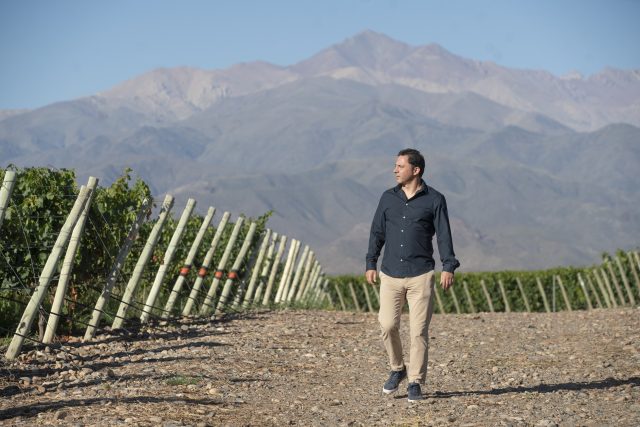
Terrazas de Los Andes, understood to be a pioneer of high-altitude winegrowing in Argentina, has taken Malbec on what it calls an “ascension journey”.
Constant re-education
The winery, which has some of the country’s highest vineyards, was founded by Hervé Birnie-Scott with its first vineyard, in Lujan de Cuyo planted in 1929, which makes it one of the oldest Malbec vineyards in Argentina. Since then, Terrazas de Los Andes has built its reputation on constant re-education. Looking at ways to build complexity and versatility to its wines, through plantings, drip irrigation and altitude, to create fine wines that show both balance and freshness.
Speaking to the drinks business this week, Terrazas de Los Andes estate director Lucas Löwi said: “In Argentina, we have a specific climatic condition given that we don’t have any ocean influence. So we are pretty close from the Pacific, but the Andes mountains block all the humidity coming from the Pacific, and we’re pretty far from the Atlantic. So in this context, the altitude plays a key role, because it’s the driver for the thermal amplitude and for the low temperatures.”
Looking for freshness
Löwi explained how from those early days the winery’s experimentations have developed and so too has its development of Malbec. “We started this project 30 years ago, in the 90s, with the dream to craft fine mountain wines in the terrazas of the Andes mountains. We started with one vineyard located in the region of Lujan de Cujo in the district of Las Compuertas. We started with a very old Malbec vineyard planted in 1929 in Las Compuertas, at an altitude of 1,070 metres and we started crafting Malbecs from these vineyards. Then, we were looking for more freshness and more elegance in our wines, and we were convinced that in order to achieve those things we needed to go higher in altitude. But in Las Compuertas and in Lujan de Cujo, we were already in the highest place. So going higher will mean going to the Uco Valley.”
Going higher, although seeming like a perilous task, for both irrigation and harvesting has, however, paid dividends for Terrazas de Los Andes. It has also meant that as the winemaking team learned more, gathered perspective and both figuratively and literally gained ground.
Training
Löwi told db: “In the 90s, there were no vineyards planted in the Uco Valley because there was no water, and so we were very concerned on how to bring the water up there, and we were fully convinced that the proper method was, and is, drip irrigation. Flood irrigation is still 97% of the service. And drip irrigation covers only 3% at the moment and yet we have pioneered bringing drip irrigation to the Uco Valley. In order to do that, we sent our agronomist to be trained in Israel, and he brought these techniques back and so then we started to plant in the Uco Valley what I call our ascension journey, going up and up in altitude. It took us a couple of years.”
Partner Content
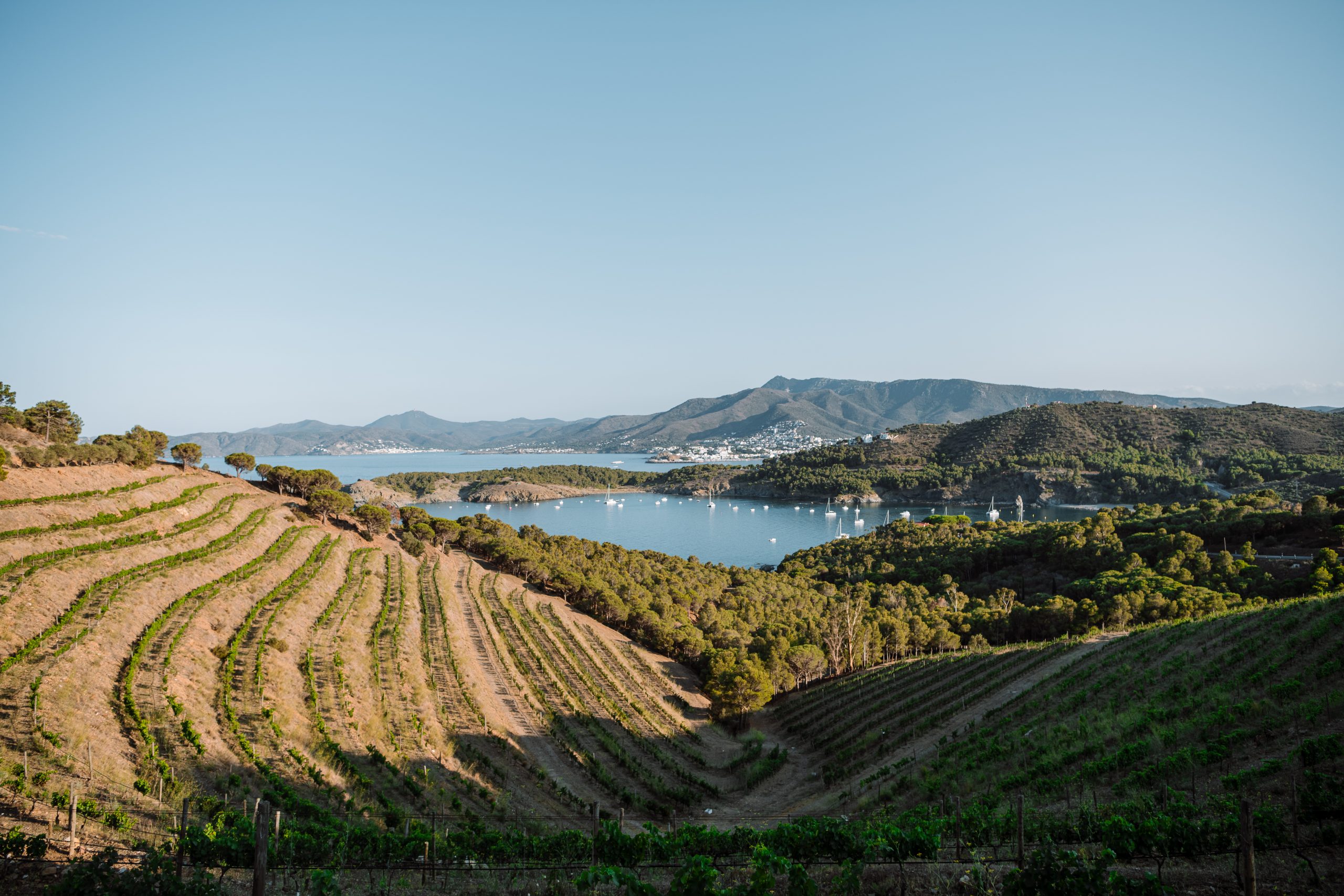


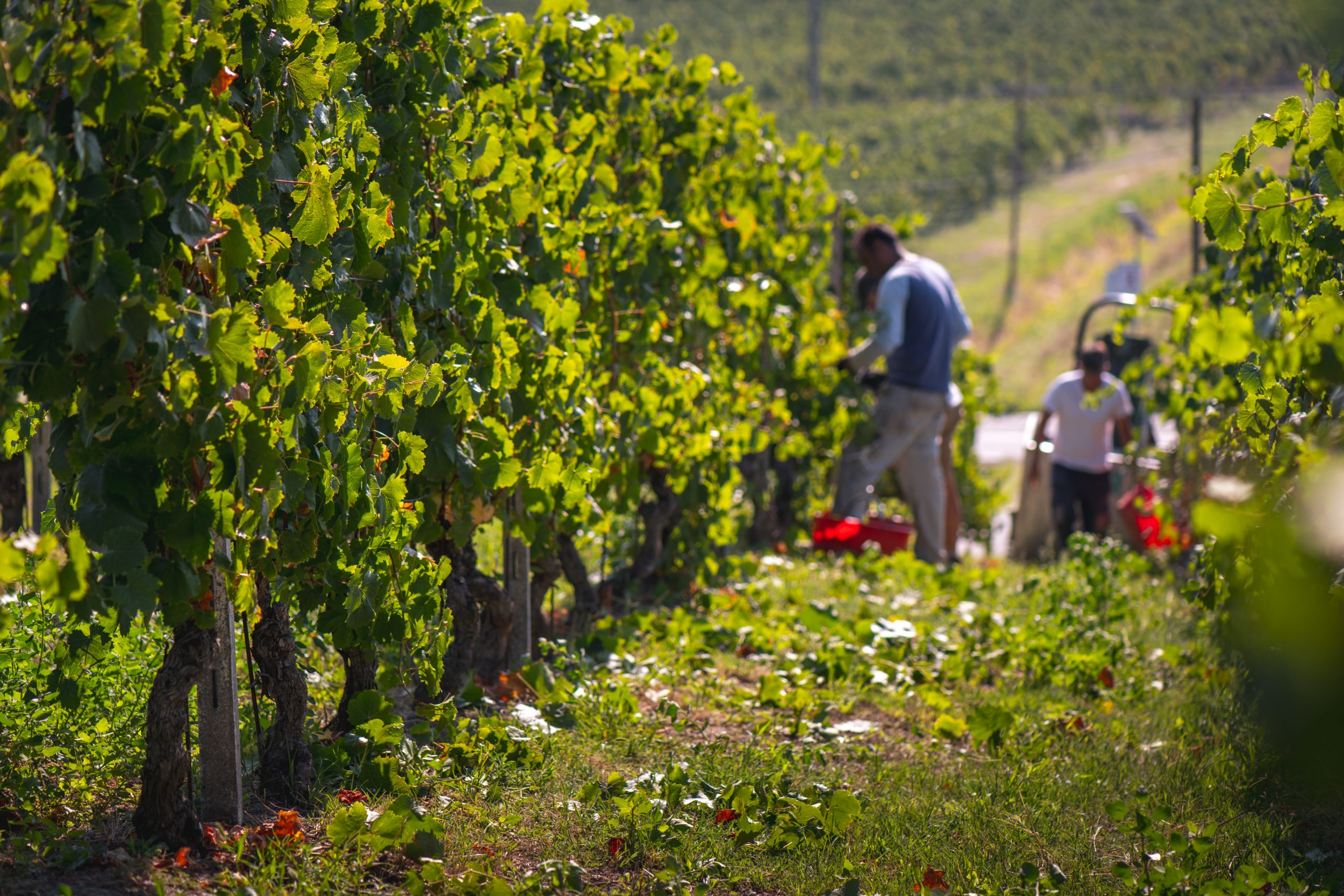
According to Löwi, this is “a new way of crafting Malbec” because, he insisted “we are rediscovering the classic Malbec that has been globally known and jumping 650 metres in altitude. This is when we noticed that it changed completely”.
Löwi explained: “Up in the mountains, the wines are from the last vineyard planted and there are no neighbours. In addition to the altitude, which gives us very low temperatures, there are also rocks with calcareous material very close to the surface.”
The ascension journey
Plus, he emphasised that “with drip irrigation we can create a certain stress to the vine so that the roots are forced to go deep. When they go deep to find the water, they also find these calcareous rocks and this minerality and this texture ends up in the wine”.
He added: “Within this ascension journey, we now currently own 500 hectares of vineyards.”
But what makes the Malbec stand out? For Argentina, or even the Uco Valley? Löwi has said that “it is something unique” after all and insisted that “when you are in Mendoza, to go to these vineyards in the mountains, you need to climb 1,000 metres. But you do it in a trip of fewer than two hours. To jump to this altitude elsewhere, you would need to go from the south of Spain to the north of France, but here it’s not a 14 hour journey, but in Argentina you can do it in only two hours. The temperature drops when you go up 100 metres into the mountains and that’s why it is so impactful”.
‘We need to start speaking about specific places’
Löwi said that he believes that, for wine lovers, “it’s very important to go beyond Mendoza, Argentina”. Plus, he said that when it comes to Argentine wine and Malbec in particular, “we need to start speaking about specific places, like Las Compuertas in Lujan de Cujo”.
He added: “It’s about patrimonial preservation. In the Uco Valley, we need to speak about Paraje Altamira and to speak about Los Chacayes and to speak about Gualtallary, these are names that are still a bit strange and unknown. But I think it’s the future of Argentina to speak about Malbec with the name of where it is from. Malbec from Las Compuertas, Malbec from Altamira, Malbec from Los Chacayes and speak about beyond Mendoza as a generic appellation.”
Related news
Frost and hail threaten 2026 US and French wine harvests
Saturday Kitchen launches wine club with Majestic
California wineries request US$32 million to fight vineyard pest


