



Why one Champagne house uses premium techniques across its range
Champagne Besserat de Bellefon has adopted two crucial techniques to define its house style – even though many maisons reserve them for prestige cuvées.
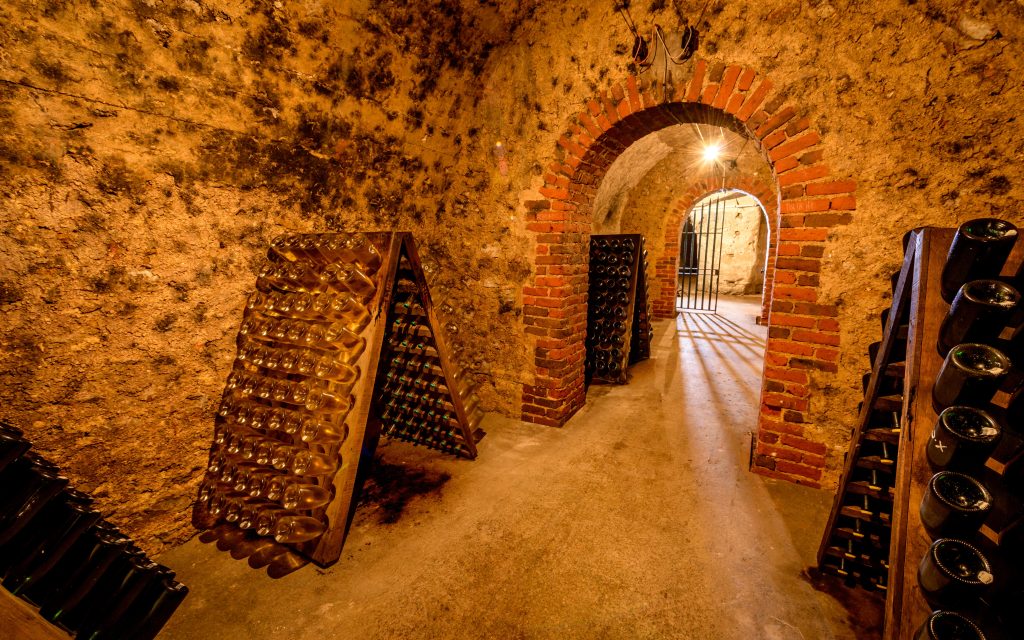
Though some winemakers pride themselves on non-interventionist winemaking, relying solely on the bounty of the vineyard, you can be sure they are not Champagne vignerons. In Champagne, the cellar operation is of paramount importance and high complexity.
Thus, every house will have its own methods, often handed down through generations. Although many will be singing from the same hymn sheet, some in the region choose to forge their own path.
At Champagne Besserat de Bellefon, two premium processes in the winery set it apart. Each of them is most associated with prestige cuvées, yet both winemaking tricks are employed across the entire range. Indeed, they have been a hallmark of the maison since 1930.
Together, they have ensured a house style that blends the brightness of Champenois fruit with elegant texture.
Protecting Champagne’s finesse
Acidity is a key concern in Champagne. The region’s cool climate means that the wines can be bracingly acidic – indeed, this is why the tradition of dosage first emerged. Yet, handled with care, the grapes’ natural acidity can provide the wine with freshness and a refined, pure fruit profile.
For most producers, a common tool is malolactic conversion. Allowing bacteria to convert tart malic acid to creamy lactic acid tends to soften the wine’s profile.
Yet at Champagne Besserat de Bellefon, that process is skipped. It is a choice which presents two distinct challenges, but comes with rewards in the glass.
The first challenge is that, left to its own devices, Champagne will usually undergo malolactic conversion. Since the bacteria responsible are naturally present in the winery, Champagne Besserat de Bellefon has to work carefully to prevent it. Meticulously cleaned stainless tanks, temperature controls and constant vigilance are its main tools.
The second challenge is one of style. Without softening the acid profile of the wine, producers might risk harshness rather than brightness, especially if there is inadequate concentration to stand up to it. Hence finding the right raw materials is essential: it is no coincidence that Champagne Besserat de Bellefon, in line with many premium Champagnes, features a high percentage of premier cru and grand cru grapes across its range.
As for the rewards, those are found on tasting the wine. By preserving the grapes’ natural freshness, you achieve a natural finesse that aligns with Champagne Besserat de Bellefon’s profile of lime blossom and citrus. It also provides the backbone for development: higher acidity allows the wines to slowly unveil aromas like hazelnut and honey.
Textural richness
Having ensured the wine’s finesse as the base wine is developed, Champagne Besserat de Bellefon turns its attention to texture during the second fermentation. The quality of the mousse is central to the house style.
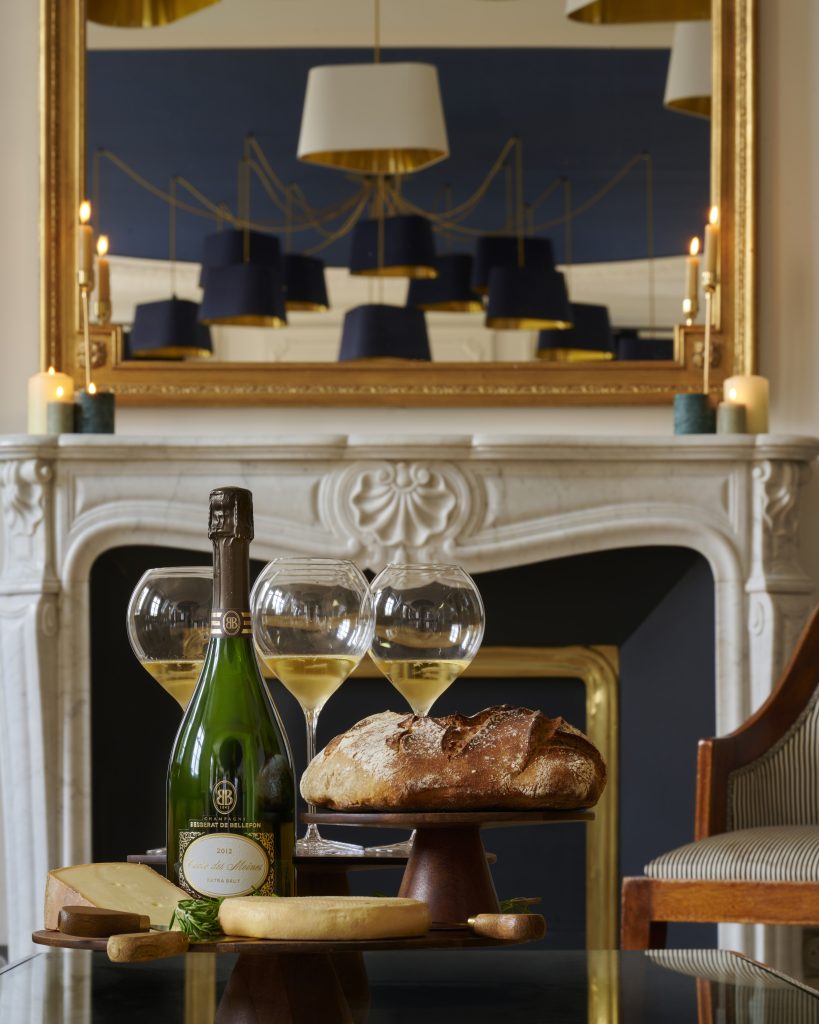 Besides being a question of high quality, the profile of the mousse is an outlier in Champagne. Indeed, Champagne Besserat de Bellefon is the only house to apply the technique to its whole range.
While six bars of pressure is usually considered the standard for the region, Champagne Besserat de Bellefon bottles its wines under less pressure. Sitting at 4.8 bars, the wines have a gentler mousse, resulting in a finer cordon and a creamier texture.
In part, that is a technical choice: with less sugar in the liqueur de tirage, the finished wine will have less pressure. Yet it is also carefully managed through cellaring conditions. The maison’s deep – and therefore cool – cellars slow down the second fermentation, the result of which is finely integrated effervescence and a velvety texture.
Taken together, the two techniques ensure finesse, suppleness and texture, from the first tier of the Champagne Besserat de Bellefon range – Bleu Brut – to its most limited premium releases.
Indeed, that was the clear conclusion after this year’s Champagne Masters. Both the Bleu Brut and the Cuvée des Moines achieved Gold medals in the blind-tasted competition, placing them among the best Champagnes of the year.
Patrick Schmitt MW offers his tasting notes for the two wines below.
Champagne Besserat de Bellefon Bleu Brut NV
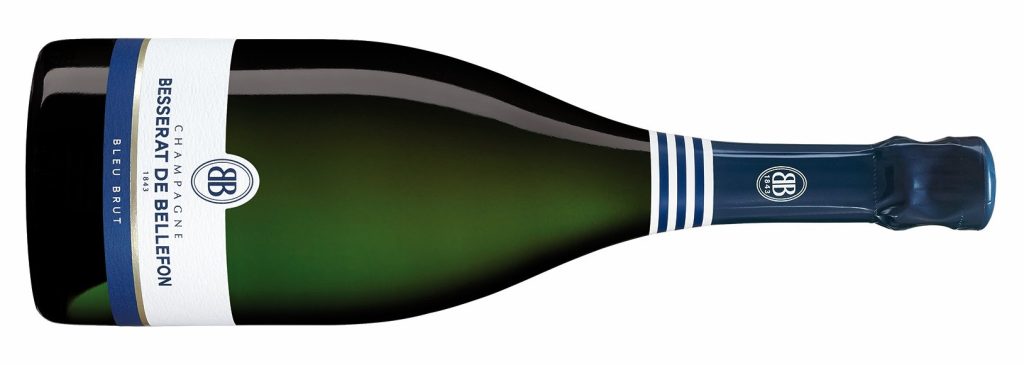
- Grape varieties: 30% Chardonnay, 25% Pinot Noir, 45% Meunier
- Residual sugar: 7g/l
- Approx. retail price: £45
Creamy, with a subtle coffee note on the nose. The palate is fresh and crisp, with a slight bite – it is non-malo – balanced by creamy coffee nuances, lemon zest and chalky minerality. Zesty, pure and finely textured, with a lightly citric, mouthwatering finish.
Champagne Besserat de Bellefon Cuvée des Moines 2012
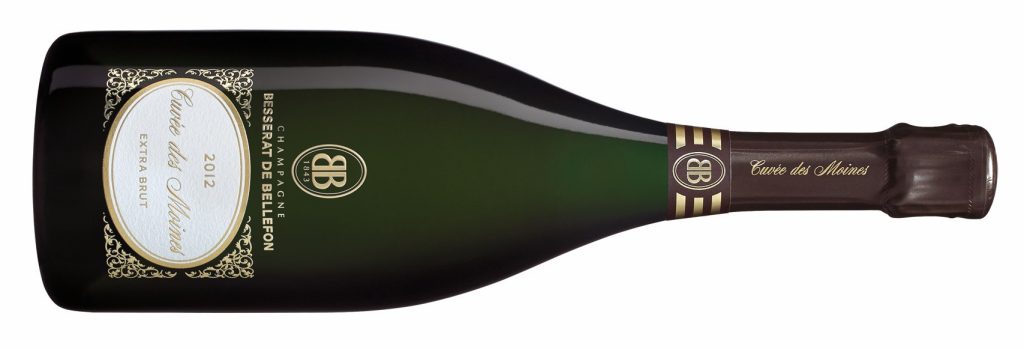
- Grape varieties: 60% Chardonnay, 30% Pinot Noir, 10% Meunier
- Residual sugar: 5g/l
- Approx. retail price: £125
A notably evolved, oxidative style. Very dry, with pronounced acidity and a firm, slightly austere structure. Chalky minerality and light, fine mousse are evident, alongside subtle nutty notes and a dusting of fine tannins on the finish.
Related news
Why electrolytes have become wine's newest additive
Bordeaux marks milestones with commemorative bottles
#WeekInPictures: the Queen visits Plumpton as craft beer and rum move into new territory


