



Project Paradise: Inside Sula’s acquisition of Chandon India
In conversation with Nimmi Malhotra, Sula’s founder and CEO, Rajeev Samant, discusses what Sula’s acquisition of Chandon India means for the estate and the wider Indian wine industry.
Moët Hennessy has sold Domain Chandon India, its premium sparkling wine estate, a decade after it first built the property in Nashik, Maharashtra and ended its Indian production.
As previously reported on db, Sula Vineyards bought Domain Chandon for INR 200 million (£1.6 million) in a deal that transfers the land, winery, building and vineyards to Sula. The brand remains with the seller, Moët Hennessy.
“We are simply buying the estate – the beautiful land, the winery building with the vineyards. This deal does not include any brands or bottling arrangements,” said Sula Vineyards founder and CEO Rajeev Samant, speaking over a video call.
Turning over a new leaf
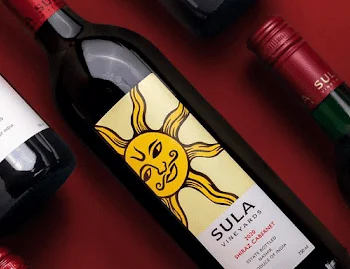
Sula Vineyards is India’s largest wine producer, holding a 50% market share of all domestic wines. The company has a diverse portfolio of 50 different labels under varied quality labels such as the Sula, Dindori, The Source and Rasa and a production of over 1 million cases in 2025.
“The estate will cease to be called Chandon,” Samant confirmed. Production of all Chandon sparkling wines in India will end after the transition; the estate will take on a new name, not yet released, once the deal closes.
While finer details of the negotiations remain confidential, Samant describes the process as a swift one by M&A standards: from the start of serious discussions to the agreement on the key terms took one month.
The Asset Transfer Agreement followed, after which Sula –a publicly listed company – made its filing at the Indian National Stock Exchange (NSE) and issued a press release. The acquisition is being undertaken through the company’s wholly owned subsidiary, Artisan Spirits Private Limited (ASPL) and is expected to close by the end of Q1 FY27, subject to completion of regulatory approvals.
Moët Hennessy confirmed it has entered into an agreement to sell its Indian wine production assets to Sula Vineyards. The group declined to comment on the strategic rationale behind the exit. “As the process is ongoing, we will not be making further comments at this time,” wrote Quentin Durand, head of corporate communications at Moët Hennessy.
Project Paradise- a wine tourism powerhouse
Samant described his first visit to the property as transformative. “When I first saw the estate, it totally floored me. The view and the location are gorgeous. I turned around to my team and said, ‘We need to put in a serious bid. It’s just perfect for the plans we have.’”
Partner Content
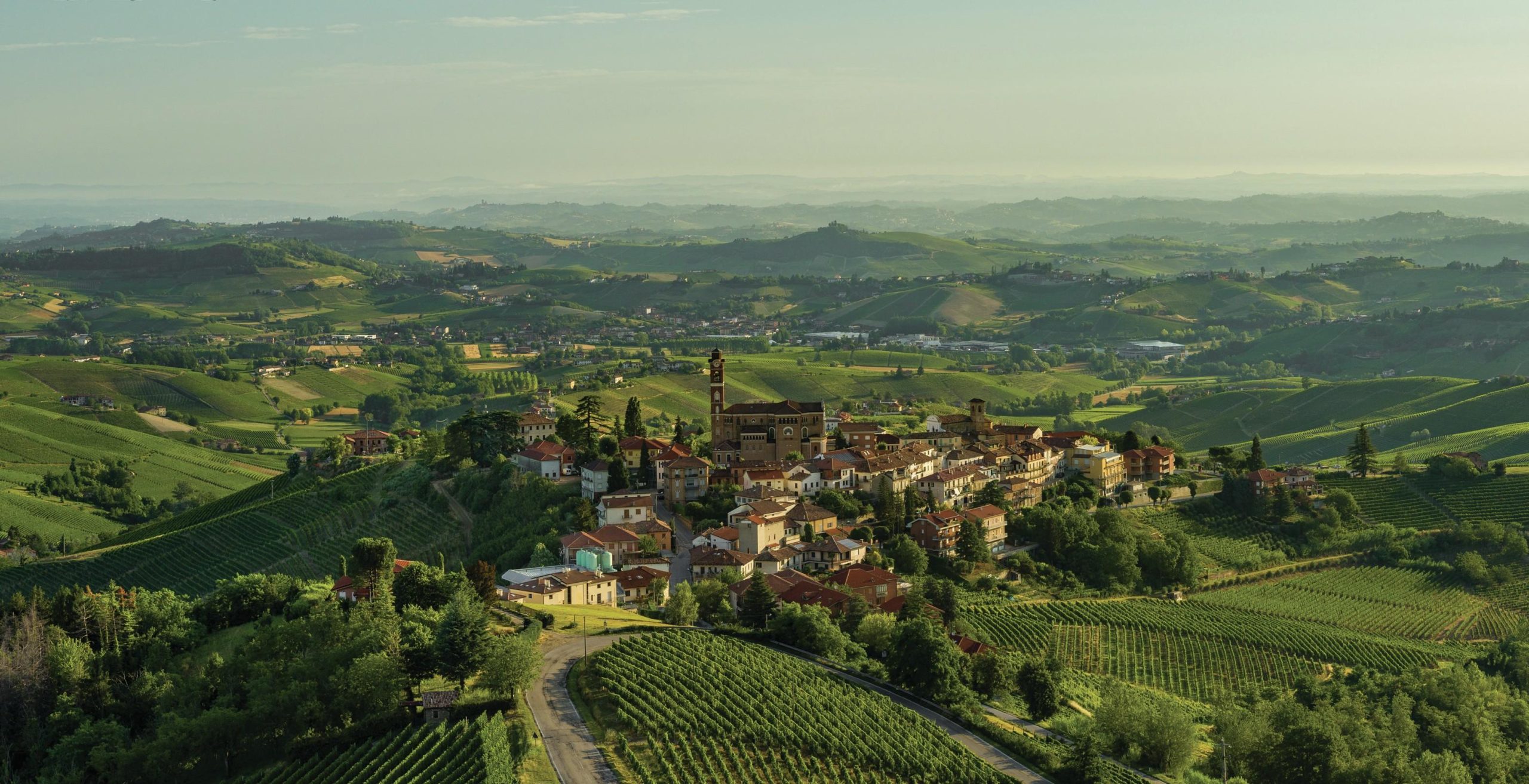
The estate sits close to Sula’s Dindori winery and is about 20 minutes from Nashik airport. The surrounding landscape, he added, is likely to remain unspoilt. The hill behind the estate is owned by the government, limiting any large-scale development: “I think we are going to have this view and aspect to ourselves for a while,” he added.
The timing, Samant believes, is opportune. Nashik is due to host Kumbh Mela in 2027 – the world’s largest UNESCO-recognised peaceful pilgrimage and the largest human gathering. Held once every 12 years, it is expected to draw close to 120 million people to Nashik over the auspicious months.
In preparations, the Nashik airport is undergoing a major expansion to accommodate additional flights and visitors, which will benefit the region’s wineries equally. Samant sees it as a prime opportunity for visitors to combine “a wine and shrine tour”.
Big wins for wine tourism
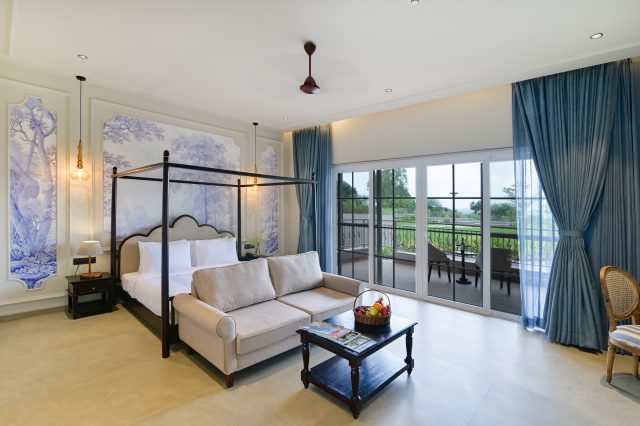
Wine tourism is Sula’s fastest-growing vertical. “The overall wine market has been in a bit of a rut, but our brightest spot has been our wine tourism business. We are now a wine tourism powerhouse and have crossed over INR 1 billion (close to £8.1 million) in wine tourism revenues”, Samant said.
Sula’s existing hospitality portfolio includes three luxury resorts in Nashik—The Source, Beyond, and The Haven – as well as four standalone wine-themed restaurants and tasting rooms, co-located with wineries in Nashik and near Bengaluru, Karnataka.
The group welcomes approximately 330,000 visitors annually.
At the newly acquired property, Sula intends to expand the wine tourism offering significantly while preserving the stunning architecture and high-quality production facility already in place.
Plans in the works
The one structural change on Samant’s mind is enlarging the tasting room, which currently is a compact, boutique space.
“They’ve built a fantastic winery. We don’t anticipate adding much to that anytime soon, but on the wine tourism front, you can expect an announcement from us in the coming months,” he said.
The acquisition consolidates Sula Vineyards’ position as India’s flagship integrated wine producer, combining vineyard holdings, production capacity, strong brand and an expanding hospitality footprint at a time when tourism is outpacing traditional growth in the category.
For Samant, who has dubbed the acquisition Project Paradise, a name that reflects how central this site is to Sula’s long-term plans, the deal is both strategic and personal. “It’s very exciting for me, and now a pretty large part of my time will be spent on the plan for this estate,” he said.
Related news
India tightens rules on high-alcohol oral medicines to curb misuse
Drinks sector eyes opportunity as India-UK trade deal comes into force
India’s beer sector 'positive' but climate and margin caution still evident


