



London hospitality braces for Tube strike disruption
Two 24-hour strikes on the London Underground are expected to disrupt travel across the capital from 21 to 24 April. Hospitality operators are preparing for cancellations and staffing challenges as uncertainty around journeys affects customer behaviour.
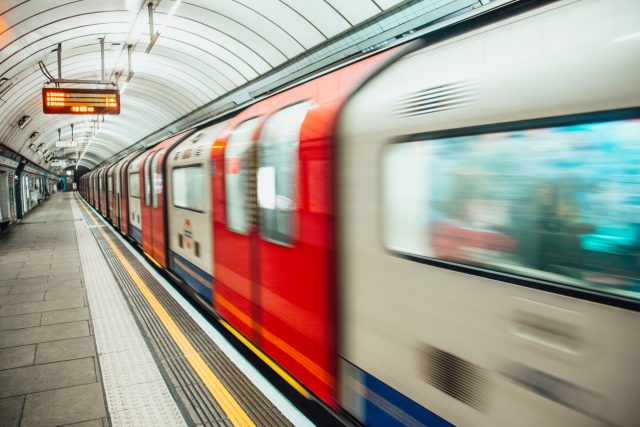
If you are reading this from home rather than on your usual commute, you may already be feeling the early effects of London’s latest bout of industrial action.
Drivers on the London Underground are striking across two 24-hour periods from today (Tuesday 21 April) to Friday 24 April 2026. The stoppages run from midday on 21 April to late morning on 22 April, and again from midday on 23 April to late morning on 24 April.
The timing is awkward. The strikes coincide with major public occasions, including celebrations marking Queen Elizabeth II’s 100th birthday on 21 April and St George’s Day on 23 April, both expected to draw significant numbers of visitors to the capital.
Search interest reflects the concern – Queries for “TFL” have risen by 139% in the past 24 hours.
Bookings fall sharply during strikes
The industry has recent experience to draw upon. According to analysis from Access Hospitality, bookings dropped by as much as 67% during the September 2025 Tube strikes, while walk-in trade declined by nearly 70%.
As previously reported by the drinks business, reservations between 8 and 11 September 2025 fell by 67% compared with the prior week, with cancellations increasing by more than 50% and footfall across venues falling away. Reuters reported that around 3.7 million daily journeys were disrupted during that period, which kept many Londoners at home.
Partner Content


Operators urged to prepare
Champa Magesh, managing director at Access Hospitality, warns that the effects begin before the first train stops running. She said: “We’ve seen from previous strikes just how significant the impact can be on hospitality businesses, with bookings dropping by 67%. With another wave of strikes looming this week, operators should expect disruption well before the strike day itself, as uncertainty around travel plans affects spontaneous visits and last-minute bookings.
“The upcoming strikes are during a key trading window for hospitality, so it’s vital that businesses prepare now to minimise the risk of no shows, cancellations and fewer walk ins. With the right communication processes, flexible booking options and strong use of data, teams can react quickly and reduce the commercial fallout of the upcoming strike.”
Pressure builds for small businesses
The strain is not limited to lost covers. Rebecca Leversidge, marketing manager at Premierline, points to broader operational challenges.
She said: “Large-scale transport disruptions, such as Tube strikes, can create immediate and very real operational pressure for many small businesses. This is especially challenging for those who rely on staff commuting into London or a steady flow of customers throughout the working week. For retailers, hospitality venues and service providers in particular, even short periods of disruption can affect staffing levels, delay deliveries and put overall productivity under strain.”
A familiar pattern for the trade
The pattern is well established, as per Access Hospitality data, both planned bookings and spontaneous visits tend to fall away during transport disruption, while uncertainty over travel discourages last-minute decisions.
For drinks-led venues, where passing trade and impulse visits often drive sales, the effect can be immediate.
Related news
Are monovarietal wine cellars the future of hospitality?


