



Club Soda tools up ahead of no and low policy changes
Laura Willoughby, founder of alcohol-free shop, bar and tasting room Club Soda has issued a battle cry as the government considers key policy changes, saying “this is one of those moments where the low, no and mid-strength drinks sector either shows up or gets shaped without us”. Sarah Neish finds out more.
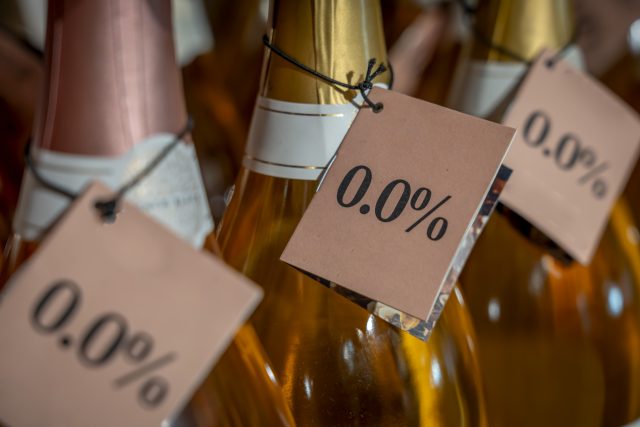
According to Club Soda founder Laura Willoughby MBE, the UK’s no, low and mid-strength drinks sector is approaching “a pivotal moment”, with significant government decisions expected to be made by the end of the year that will determine the future of the category.
Two of the key factors that the UK Government is considering are changing alcohol-free descriptors (what ABV can legally be called ‘alcohol-free’) and making recommendations on whether alcohol-free should be treated the same as alcohol, from advertising to required age ID.
Speaking to the drinks business, Willoughby outlined the risks if the latter change goes ahead.
Lingering concern
“A lot of this comes down to perception rather than evidence,” she told db. “There’s a lingering concern, often linked to big alcohol brand extensions, that alcohol-free products could act as a gateway to drinking alcohol. The UK Government is understandably cautious, particularly given what’s happened with vaping. But the comparison doesn’t really stack up”.
Unlike vapes, Willoughby said, alcohol-free drinks “don’t contain the harmful substance they’re replacing, and the evidence we do have shows they [alcohol-free drinks] are helping people to moderate and reduce their alcohol intake.”
Underage drinking, Willoughby added, is “primarily driven by trying alcohol itself, not alcohol-free alternatives”.
She highlighted that parts of the trade “have already introduced voluntary age checks, so some of this is happening anyway”, but maintained that any formal policy should not be based on “perceived harm where there’s no clear evidence. Otherwise it could have knock on-effects to advertising and other restrictions that apply to alcohol.”
Not all bad
However, not all Government changes will come as a blow, with Willoughby noting that the UK aligning with the EU and the rest of the world on the definition of ‘alcohol-free’ would be a positive step forward.
“This change is long overdue, we’ve been waiting well over a decade for it,” she told db. “Aligning the UK with the rest of the world by allowing drinks at 0.5% ABV and below to be called alcohol-free is exactly what UK-based brands need”.
According to Willoughby, the UK no and low drinks sector is a success story “but brands have managed it with one arm tied behind its back.”
Partner Content
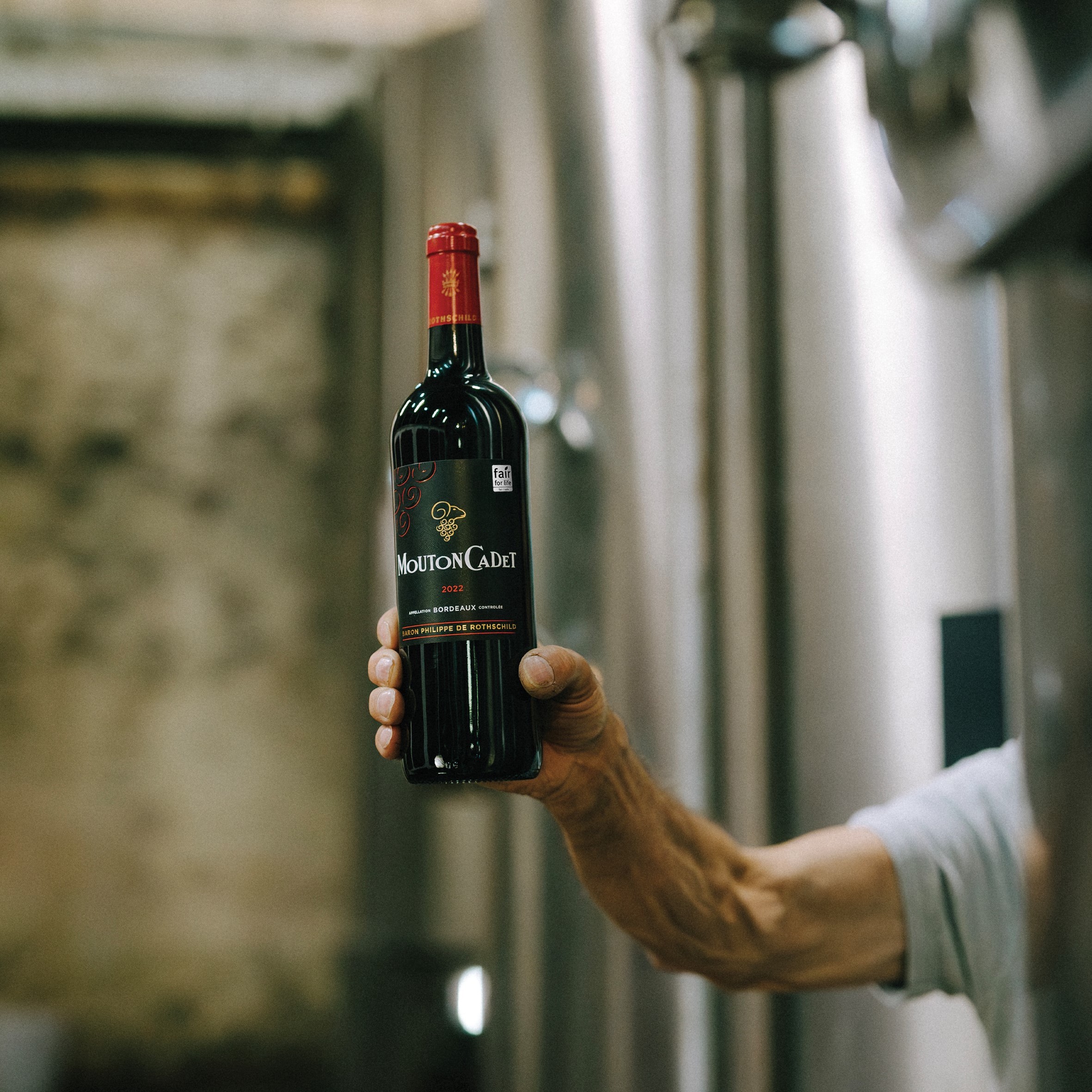
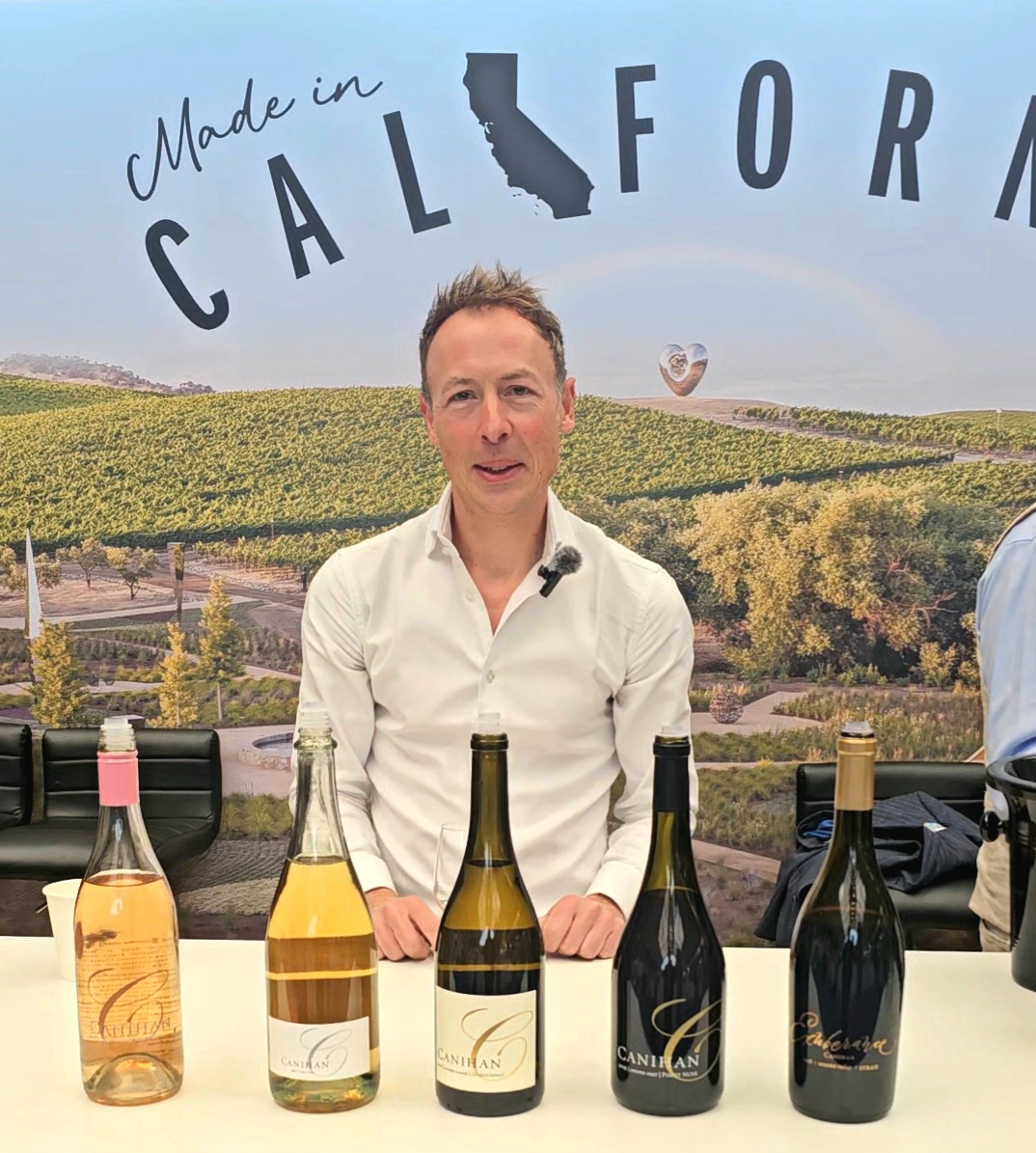
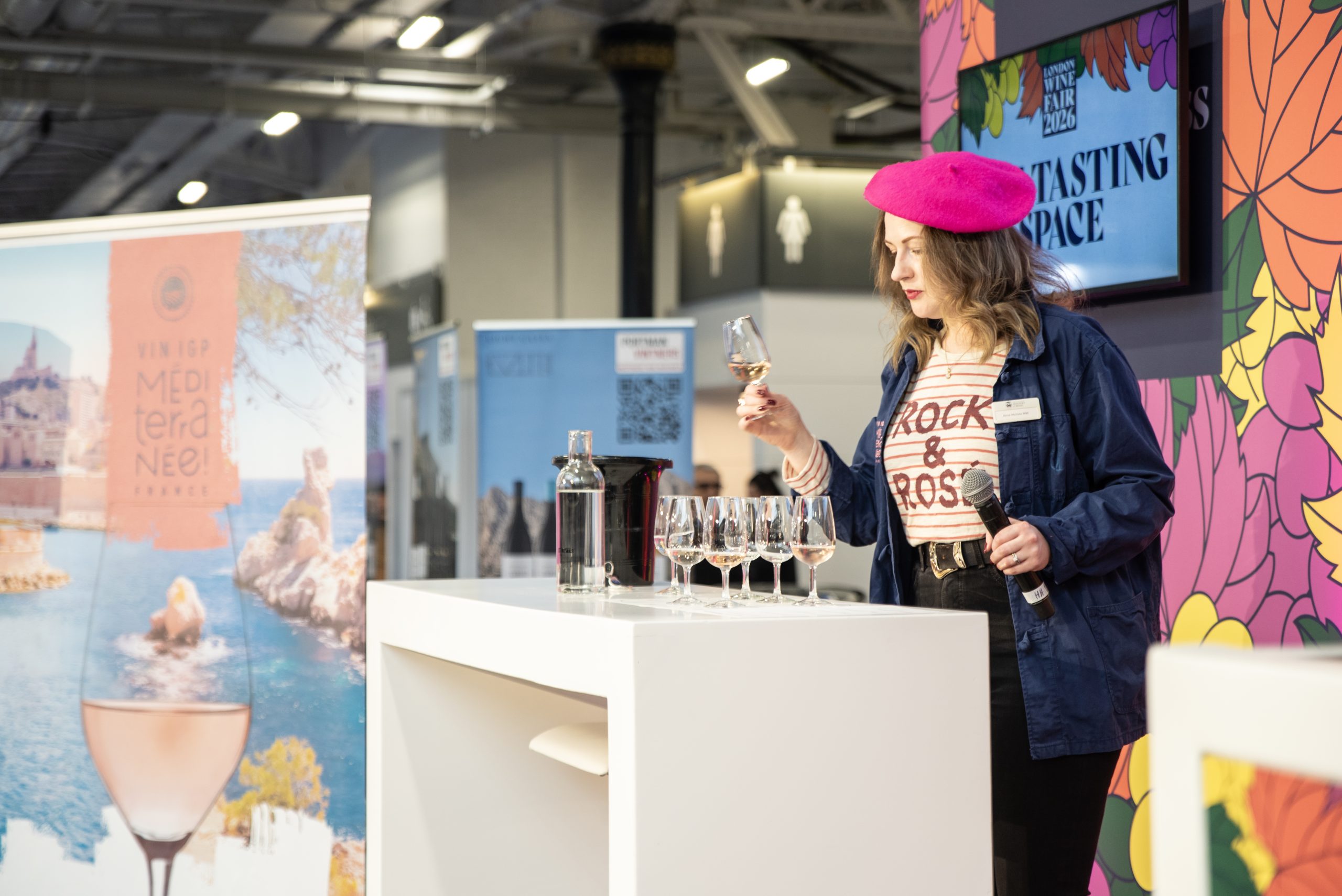
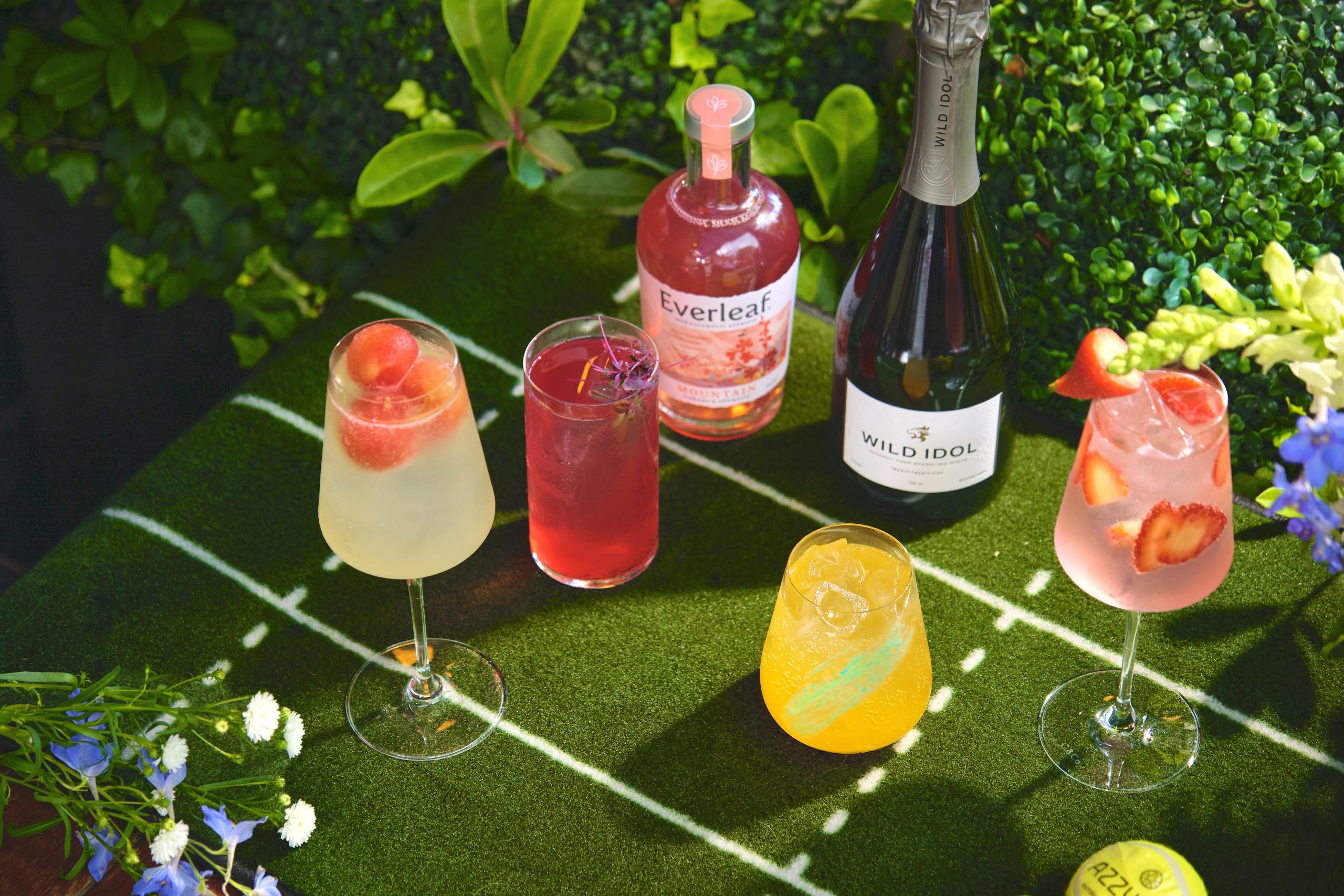
“”The EU already allows wine at 0.5% and under to be called alcohol-free, so this finally removes the awkward situation where UK producers have to label products differently to imported ones. That lack of alignment has been a real barrier to growth and clarity, so frankly, it’s a bit of a relief to see it shifting.”
She applauded Europe’s stance on recognising alcohol-free wine as ‘wine’ within regulation, which she called “a big step for legitimacy and category growth”.
Speaking up
As the Government nears its decision-making, Willoughby is urging low, no and mid-strength drinks operators to complete a benchmarking survey to help gather vital data to inform policymaking. The survey will assess the size of the market, its current contribution to the UK economy, and its future growth potential, in a bid to create a “sector-wide manifesto” to share with the UK Government.
“The benchmarking survey is about taking a proper snapshot of where the UK no, low and mid-strength market is right now, roughly ten years on from Seedlip launching and really kickstarting this category,” Willoughby told db.
“Government has already signalled, through the health white paper, that it wants to support the sector to grow. But to do that properly, we need solid data, on economic value, growth potential, and what businesses actually need to scale.”
According to statistics from market intelligence agency Mintel, the UK’s no- and low-alcohol drinks market was worth around £380 million at the end of 2024, and IWSR predicted the category would grow to £800m by 2028. The Club Soda survey will help reveal how close that prediction is to coming true.
Long-term consequences
“Without clear and coordinated input from producers, retailers and stakeholders, the category risks being defined without those closest to it being involved,” said Willoughby.
“This is one of those moments where the sector either shows up, or gets shaped without us. The decisions being made this year will have long-term consequences for how alcohol-free and mid-strength drinks are produced, marketed and sold in the UK.
“If we don’t speak clearly and collectively, others will define this space for us”.
Willoughby plans to take the “evidence-based manifesto” directly to policymakers this year.
Related news
Low and no drinks fuel food and beverage dealmaking as Asia Pacific leads global M&A market
Beau Viva partners with Gabriele Armani on no and low serves


