



Benchmark Wine Group posts record first quarter
The US rare wine reseller Benchmark Wine Group has reported its strongest first quarter in 24 years after a record sales year in 2025. The company says sustained interest in top Bordeaux, white Burgundy and Port is helping propel growth even as broader wine sales remain under pressure.
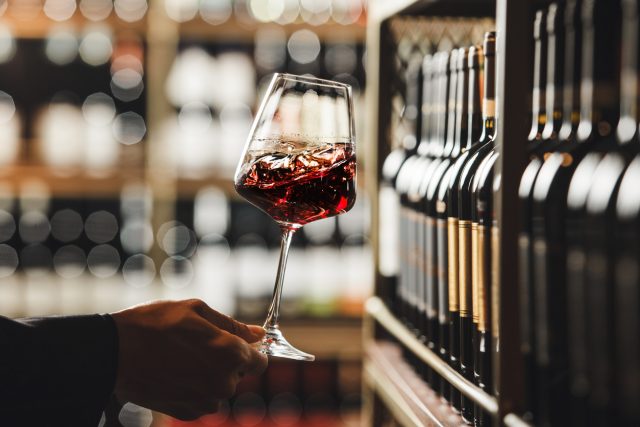
Benchmark Wine Group reported its best first quarter since its founding 24 years ago, following what it described as the strongest year in its history in 2025.
According to the company, sales in the first quarter of 2026 exceeded the same period in 2025 by around 14%, establishing a new quarterly record. The California-based merchant specialises in rare and back vintage wines.
“Benchmark’s broad selection of rare wines, celebrated customer service, dedicated team and industry-leading technology combined to give us the best year in company history in 2025,” said CEO David Parker.
“The first quarter of 2026 saw further brisk growth, with Q1 2026 exceeding the same quarter in 2025 by about 14% and establishing a new all-time record total. The factors remain in place for further brisk growth as we expand our product availability, market visibility and technology in the coming year.”
The company reported increased demand across the principal categories it trades, most notably top Bordeaux, white Burgundy and Port. Benchmark attributes the performance to growing interest in rare wine as well as programmes and technology designed to serve collectors and trade buyers.
Restaurant demand and partnerships support growth
Trade customers are playing an increasing role in Benchmark’s sales mix. According to the company, highly rated restaurants now account for more than 20% of sales, while partnerships with wineries, technology platforms and industry organisations have also supported expansion.
“Fundamentals driving growth include an expanding number of top trade accounts, with top-rated restaurants now accounting for over 20% of our sales,” said vice president of sales, marketing and operations Mikaela Haynes.
“Partnerships with leading wineries like FUTO Estate, technology providers such as CellarTracker!, and our industry affiliations, including with The National Association of Wine Retailers, have also contributed to our growth.”
Speaking to the drinks business, Benchmark Wine Group CEO and owner David Parker said the rare and back vintage wine segment is benefiting from a shift in consumer behaviour, with buyers increasingly prioritising quality over quantity.
“People are drinking better, not more, pushing up dollars spent on the upper tier of wine,” Parker said.
Beyond consumption trends, he noted that rare wine increasingly appeals to collectors both emotionally and financially.
“People tend to view rare wine as an alternate investment as well as a tangible demonstration of generosity.”
“High-end wine people understand the negative effects of social isolation and view wine as the social drink of sharing and moderation.”
Evolving consumer preferences
Parker also pointed to wider cultural and supply dynamics shaping the market. Changing dietary habits and generational shifts in cellar ownership are both contributing to renewed interest in aged wines.
“People are eating more beef (based on the new FDA guidelines), which tends to be a great foil for high-end Bordeaux, California wines and other top reds, especially perfectly aged ones.”
“Some of the very top cellars in the country are becoming available as the Silent Generation and Baby Boomers age up. This is driving a lot more interest in these types of wine.”
Partner Content


At the same time, younger collectors are entering the category.
“Millennials, a large demographic that drinks as much alcohol as the generations before them, are just entering their peak collecting period.”
Generational divide
Benchmark’s own customer base reflects these broader shifts. Millennials currently represent the largest share of Benchmark’s buyers and account for roughly 30% of the company’s dollar sales, while Generation X and Baby Boomers remain active collectors. Generation Z buyers are also beginning to enter the market.
“Despite reports that younger consumers are eschewing wine, sales to that group are increasing quickly as they discover the magic of perfectly aged wine in pristine condition, at competitive prices to new releases,” Haynes said.
Parker added that collector behaviour has evolved significantly over the past five to ten years, particularly following the pandemic.
“Yes. People are drinking less wine volume than they did during the pandemic, but better wine and more of it at restaurants.”
He also said buyers are increasingly seeking wines that are already mature rather than waiting decades for bottles to reach their peak.
“Most buyers now don’t feel they have the time to age new wine 20-30 years, so are buying more perfectly-aged wine from companies like Benchmark Wine Group.”
Retail channels have shifted as well, with collectors favouring specialist retailers with strong digital platforms and deep inventories.
“And collectors are buying more wine from retailers with a strong online presence, reputation for quality, service and top condition, and large selections, and less from smaller neighbourhood wine shops and grocery stores.”
Rare wine as an investment
Interest in rare bottles is often driven by investment potential as well as consumption. According to Peter Gibson, editor of The Wine Market Journal, many fine wines have risen in value during the past year.
“While the average rare wine we track has appreciated over 6% since the beginning of 2025, many categories of imported wines have increased 10 to 15% in that timeframe,” he said. “Some wines have more than doubled in value in that period.”
Parker offered a recent example from Benchmark’s own trading activity.
“Benchmark Wine Group recently brought in a collection of the top Champagne Salon from the stellar 1988 vintage,” Parker said. “It still had original price tags on it showing that the collector had paid $37 per bottle back in the early 1990’s. Those bottles have a retail value now of over $2000 each.”
Premium wine resilience in a difficult market
Benchmark’s results align with broader trends reported in the fine wine sector. As reported by the drinks business in February 2026, demand for highly allocated and ultra premium wines has remained comparatively strong even while overall wine sales face pressure.
Data shows that the upper end of the market continues to outperform lower-priced categories. According to figures from WineBusiness Analytics and Sovos ShipCompliant, shipments of Napa Cabernet Sauvignon priced at US$200 or more rose 14% by value and 10% by volume within the US direct-to-consumer market, while volumes for Cabernet priced below US$60 declined 17% during the past year.
Such figures suggest that the rare and luxury segment remains comparatively resilient. For Benchmark Wine Group, the company argues that collector demand, restaurant interest and expanding access to back vintage wines continue to drive its recent record performance.
Related news
Vin de France gains ground in Bordeaux


