



Why a big bird could reignite California redwood trees feud
Last year a Napa winery sued its neighbour for planting redwood trees, which it said would adversely affect the flavour of its Cabernet Sauvignon grapes. Now a pair of feathered creatures is adding fuel to the fire. Sarah Neish reports.
In July 2025, Quantum Limit filed a lawsuit against Okell Holdings for planting redwood trees “just a few feet away” from its property, which Quantum’s owner, Glenn Rice, said was like “dropping a bunker buster bomb” into his Cabernet Sauvignon vineyard.
Speaking exclusively to the drinks business, Rice explained: “The problem is that the debris from this species of tree is excessive and will contaminate the flavours in the wine, giving the essence of a redwood forest floor, with [unwanted] characteristics of resin, camphor, laurel, mushrooms and musk.”
Rice also pointed out that the resulting shade caused by the trees as they mature could also have a detrimental affect on his wines. Accusing Okell Holdings of “malicious conduct” Rice told db: “Imagine the shade created by 60-100 trees. Redwood trees are the largest tree in the planet. So if you wanted to destroy a neighbour’s vineyard and their business, this is by far and away the best thing to plant.”
Quantum Limit’s premium Twenty Eight Blocks Cabernet Sauvignon, made from 13-year-old vines, is priced at about US$145 per bottle.
Fierce debate
The lawsuit sparked fierce debate among the Napa winemaking community, with one grower telling db: “We need more trees, not bougie vineyards!”
Other Napa residents weighed in, claiming that redwood trees serve as windbreaks and sunscreens, with one commenter adding that “those Cab vines just may benefit from some offset shade in the years to come.”
Meanwhile, an ex-arborist reached out to say: “I know for a fact there are only a very small handful of tree cultivars that will affect wine grapes with flavour, root kill and suffocation… Redwood trees are not one of them…
“Grapes and redwoods grow together all over Mendocino County in spectacular fashion (because there is no issue combining the two).”
Partner Content

Condor nest
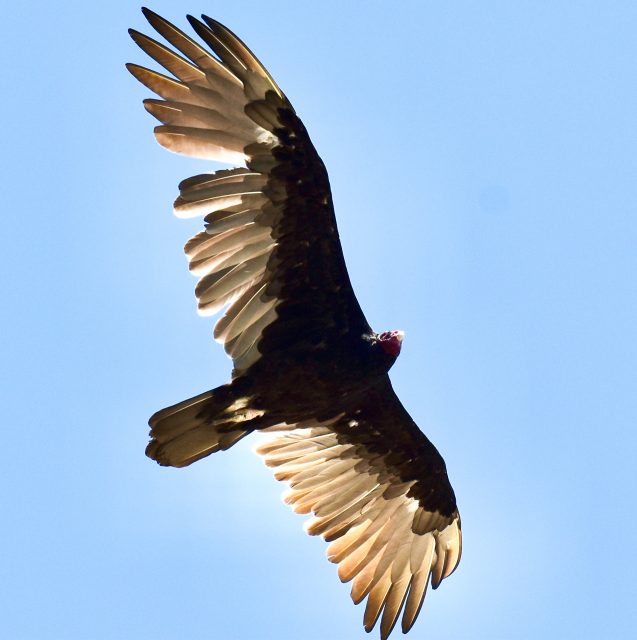
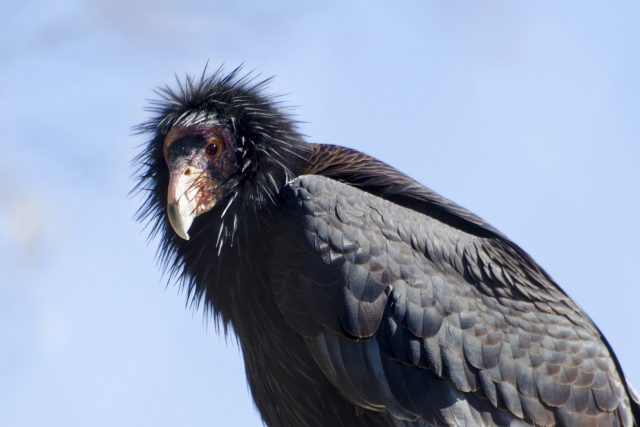
Those in favour of allowing Okell Holdings to keep their redwood trees may find their argument bolstered this week as excited wildlife biologists in California confirmed that a pair of condors appear to be tending to an egg tucked into a redwood tree in Redwood National and State Parks in the north of the state.
It is thought to be the first wild condor egg to be found in more than a century, after condors were brought back from the brink of extinction in the 1980s. According to the Smithsonian magazine, “the nest is likely the first in modern history in the far northern part of the state.”
The nesting birds, fitted with GPS trackers, are two of 26 captive-bred California condors that have been released in Humboldt County in the last few years through the Northern California Condor Restoration Programme, a partnership between the Yurok Tribe and Redwood National and State Parks. The female is called A0, or Ney-gem’ ‘Ne-chweenkah,’ which translates to “She carries our prayers.”
The LA Times reports that in 1982, there were only 22 condors left in the world, and that the birds generally only nest every other year, and lay just one egg at a time.
“This is a big step, and a necessary step, to seeing recovery on the North Coast,” said Yurok wildlife department director Tiana Williams-Claussen.
UNESCO status bid
California condors are the largest land birds in North America, with wingspans of up to 10 feet. If the nesting birds are showing a preference for California redwood trees in which to lay and hatch their eggs then it adds weight to the call to preserve the tree species for their importance to the natural world and ecosystem of the state. Prior to the condor nest discovery, some interested parties were already calling for California redwoods to be granted UNESCO status in order to ensure their protection.
And with wine producers across the globe espousing their sustainability credentials, with multi-year plans extending far beyond the vineyard to incorporate indigenous flora and fauna, preserving redwood trees could soon become another string to California winemakers’ bow. Condors, which feast on prey including rabbits and rodents, could even prevent precious grapes from being nibbled on the vines. Unless of course, they develop a taste for fine Cabernet.
The soonest the condor egg could hatch is early April, and it could take some six or seven months before the chicks take their first flight. Scientists are carefully monitoring the nest from afar.
Related news
Glass half full: Asia offers hope for struggling California wine
California pleads with Quebec to lift trade ban
California wineries request US$32 million to fight vineyard pest


