



What it takes to make in-house distillation work in a bar
The concept of in-house distillation is gaining traction among leading cocktail bars, but it comes with significant challenges. Himkok owner Erk Potur tells db why distilling spirits in a live bar environment is both “very rewarding” and “a true nightmare”.
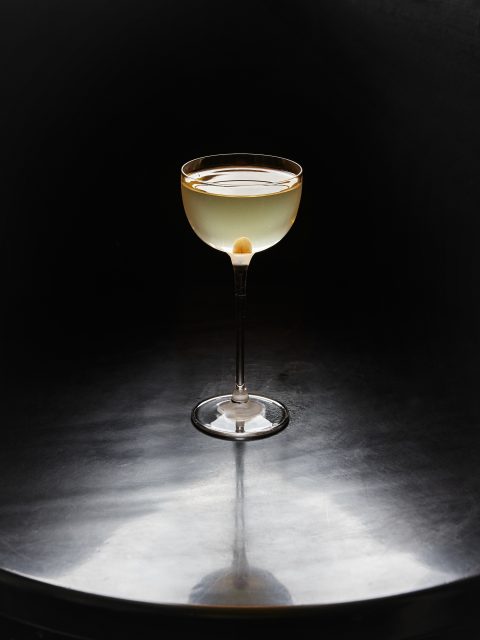
Himkok has launched a new cocktail menu concept that brings together mixology and contemporary Scandinavian design, developed in partnership with Studio Sløyd and creative agency 2.edition.
Titled Designed by Sipping, the menu transforms each cocktail into a tangible design object, translating flavour into physical form. The Oslo-based bar said the concept reflects its continued focus on storytelling through collaborations, following previous projects spanning music, fashion and photography.
The menu features 13 serves, each paired with a one-off design piece created using materials such as glass, ceramics, textiles and wood. According to Himkok, the aim is to create a “multi-sensory journey” where taste, texture and visual design intersect.
Bar manager Maroš Dzurus and head of R&D Paul Aguilar said: “We are so inspired by the way Studio Sløyd works, and how their process really reflects our own: experimental, deeply rooted in Nordic heritage, but always curious and forward-thinking. This collaboration allowed us to broaden our approach to menu curation, not just something you read or taste, but something you can touch and experience from entirely new angles.”
Studio Sløyd founders Mikkel Jøraandstad and Herman Ødegaard added: “Translating flavour into form was a completely new challenge for us. Cocktails are ephemeral, fleeting by nature, so we approached each object with the goal of freezing that moment. Just like with good design, it’s about balance, texture, and story. Working with Himkok gave us the chance to explore how taste can live beyond the glass.”
Multi-sensory menu concept
Drinks on the menu include Softis, a dessert-style serve built on LINIE Aquavit and Diplom-Is ice cream, paired with a sculptural clock, and Cherry, a reinterpretation of the Manhattan served alongside a floor lamp designed to reflect the drink’s depth.
Other cocktails include Cherry Tomato, a savoury serve with aquavit and mezcal paired with a wooden chair, and Carrot, which combines Himkok Gin with fresh carrot and Mandarine Napoléon, accompanied by a candle holder.
The menu also explores Nordic traditions, such as Fika, which blends espresso liqueur, whiskey and alcohol-free cider, served with a handcrafted cafetière designed to echo the Scandinavian coffee ritual.
Exhibition and auction
To mark the launch, the full collection was presented in a gallery-style exhibition in Oslo as part of Designers Saturday. Visitors were able to experience both the drinks and their paired objects, with all 13 design pieces available to purchase via an online auction.
Designed by Sipping launches on Thursday 11 September, with the auction going live at 5pm CEST the same day.
Partner Content
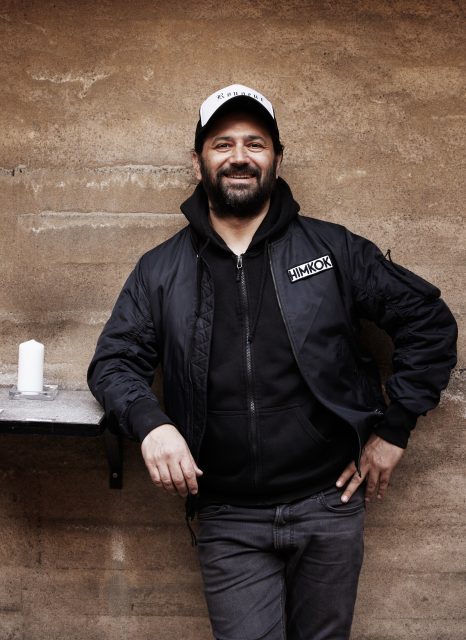
Q&A With Erk Potur, the owner of Himkok
What motivated Himkok to establish an in-house distillery rather than relying on external spirits producers?
After opening Crow Bar, which is a brewery bar, it was always a dream for us to open a distillery bar as well. One of the main motivations was to showcase aquavit in a more modern and relevant way, because it is Norway’s national spirit and such an important part of our culture. At the same time, we have always loved working with great partner brands, and we still do. But producing spirits in-house gives us the opportunity to offer something truly unique to Himkok. Even when it comes to whisky, we are proud to have our own Norwegian single malt, Himkok Whiskey.
From an R&D perspective, what are the biggest technical or regulatory challenges involved in producing spirits like aquavit, gin and vodka within a working bar environment?
In the beginning, it was definitely challenging. Producing spirits inside a working bar means balancing creativity with consistency, efficiency and compliance at all times. Over the years, guest feedback has helped us refine and improve products such as our gin and aquavit, which has been an important part of the process. On the regulatory side, you have to be extremely meticulous and make sure everything is done properly and in line with the law. It demands discipline, precision and constant follow-up.
How does producing spirits on site influence cocktail development and the overall drinking experience for guests at Himkok?
It has a very positive impact because it allows us to build spirits and distillates specifically for cocktails, rather than the other way around. That changes the whole creative process. It gives us much more freedom in R&D and helps us create drinks that are more precise, original and closely tied to our identity. For guests, it also adds a real sense of place, because what they are drinking has been developed and produced as part of the Himkok experience.
What are the key advantages and drawbacks of distilling in-house compared with partnering with an established distillery?
The biggest advantage is authenticity. It allows you to create something unique and gives you direct control over flavour, style and quality. It also strengthens the link between production, the cocktail program and the guest experience. The drawback is that you do not get the same level of infrastructure or marketing support that can come with a large established producer. That said, we are lucky to have very strong collaborators around us, and that support has been very important for us.
Do you see more leading cocktail bars following this model, or is in-house distillation only viable for a small number of venues such as Himkok?
I think more bars will be curious about this model, but in reality it is only viable for a limited number of venues. We are a high-volume bar, and we also supply spirits to our other venues, so for us there is a broader operational logic behind it. Even then, it is demanding. Sometimes it is very rewarding, and sometimes it is a true nightmare. In the end, it depends on your scale, the legal framework, and honestly, how strong your mentality is.
Related news
Champagne’s future lies in innovation, says De Saint-Gall


