



Hospitality pay rises, but pressure mounts
A new survey shows rising salary satisfaction across UK hospitality, but “declining happiness” and work-life balance point to ongoing pressures.
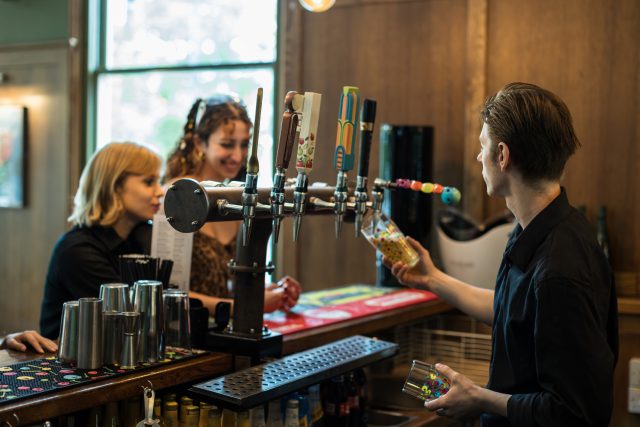
Pay satisfaction rises, but pressures persist
A growing number of UK hospitality workers feel fairly paid in 2026, according to the latest Hospitality People Survey, commissioned by Access Hospitality alongside Hospitality Jobs UK, Scrumptious Marketing, Hotel, Restaurant & Catering (HRC), the Independent Hotel Show and KAM Insights.
The survey, which gathered responses from 1,446 workers, found that 63% of employees now feel fairly paid, up from 51% in 2025.
However, this uplift in pay satisfaction sits alongside a sharp rise in impostor syndrome, with 81% of respondents saying they had experienced these feelings in 2026, compared to 38% the previous year.
Health concerns are also increasing. More than a third (36%) said work has a negative impact on their mental health, while 39% reported a negative effect on their physical health. The findings suggest that, despite improved pay, the day-to-day experience of hospitality work is becoming more challenging.
Tips decline in importance
The role of tipping appears to be shifting. The proportion of workers who say tips are important has dropped significantly, from 75% in 2025 to 51% in 2026. Despite this decline, 47% still consider tips important to their overall work satisfaction.
The survey attributes this change to rising base salaries and more formalised tip distribution processes, which are improving financial stability across the sector.
Overtime improves, but balance worsens
Fewer workers are putting in excessive overtime. Just 7% reported working 16 or more hours of overtime per week in 2026, down from 22% in 2025. Meanwhile, 78% of overtime is now paid, a notable increase from 41% last year.
Despite these gains, work-life balance continues to decline. The proportion of workers reporting a good balance has fallen from 59% in 2024 to 56% in 2025, and now to 53% in 2026.
The findings suggest operators are improving workforce planning and rota management, but rising expectations around work-life balance continue to weigh on perceptions of the sector.
Partner Content



Falling happiness, rising advocacy
Overall happiness levels are also trending downwards, dropping to 54% in 2026 from 69% in 2024.
Yet, in a notable contrast, 93% of respondents said they would recommend a career in hospitality to a friend or family member, up from 74% in 2025.
Key factors influencing job satisfaction include fair salary (56%), holiday entitlement (53%), training and development (52%), and flexible hours (51%). The data indicates that while short-term morale has dipped, long-term belief in the sector remains strong.
Retention challenges remain
Working with great people continues to be the most important factor for retention, cited by 72% of respondents. At the same time, interest in exciting work and learning and development has risen sharply, up 19% and 13% respectively year-on-year.
Despite this, only 52% of workers say they are likely to stay with their current employer in 2026, down from 62% in 2024. This comes even as 49% of companies now offer apprenticeships.
The findings point to a shift in priorities, with career growth, stimulating work and supportive colleagues increasingly outweighing pay as motivators.
“Employers will need to rethink”
Rob Paterson, commercial director at Access Hospitality, said: “Employees are seeking more long-term development, with retention driven by opportunities and new challenges. This highlights the need for employers to prioritise clear progression, reflecting a shift away from traditional perks towards career growth.”
He added: “Despite the dip in employee satisfaction, the loyalty and love for the sector continues to grow, as 93% would still recommend a career in the industry, showing belief in the sector remains strong despite short-term pressures.”
“The UK hospitality workforce is becoming more ambitious and career-focused. However, whilst passion remains high, declining satisfaction and work-life balance, as well as the rising expectations around salary and development, will push employers to rethink how they attract and retain talent.”
Related news
Vintae completes Bodegas Riojanas acquisition


