



EU draws a hard line on wine in global trade deals
The EU is striking a careful balance in trade negotiations, opening the door to agricultural imports while fiercely defending wine. Its latest deals highlight how far Brussels will go to protect geographical indications.

The European Union is pursuing a consistent strategy in its trade negotiations: offering controlled access on agricultural products such as beef, while taking a far tougher stance on wine and geographical indications (GIs).
According to reporting by Euronews, this approach is evident in the bloc’s latest trade agreements, including its deal with Australia.
Beef concessions come with limits
Under the EU–Australia agreement, Canberra secured access to the EU market for 30,600 tonnes of beef per year, alongside 25,000 tonnes for sheep and goat meat.
However, the Euronews report makes clear that these concessions are tightly managed. The quotas will be phased in over time, with beef access introduced gradually over a period of years.
Conditions also apply to imports. For example, beef must meet specific requirements such as being grass-fed, and safeguard clauses are built into the agreement to protect EU farmers if markets are disrupted.
This reflects a broader pattern: the EU is willing to open its market to agricultural imports, but only in a controlled and conditional way.
Wine remains a red line
In contrast, the EU continues to take a far stricter position on wine, particularly when it comes to geographical indications.
Partner Content
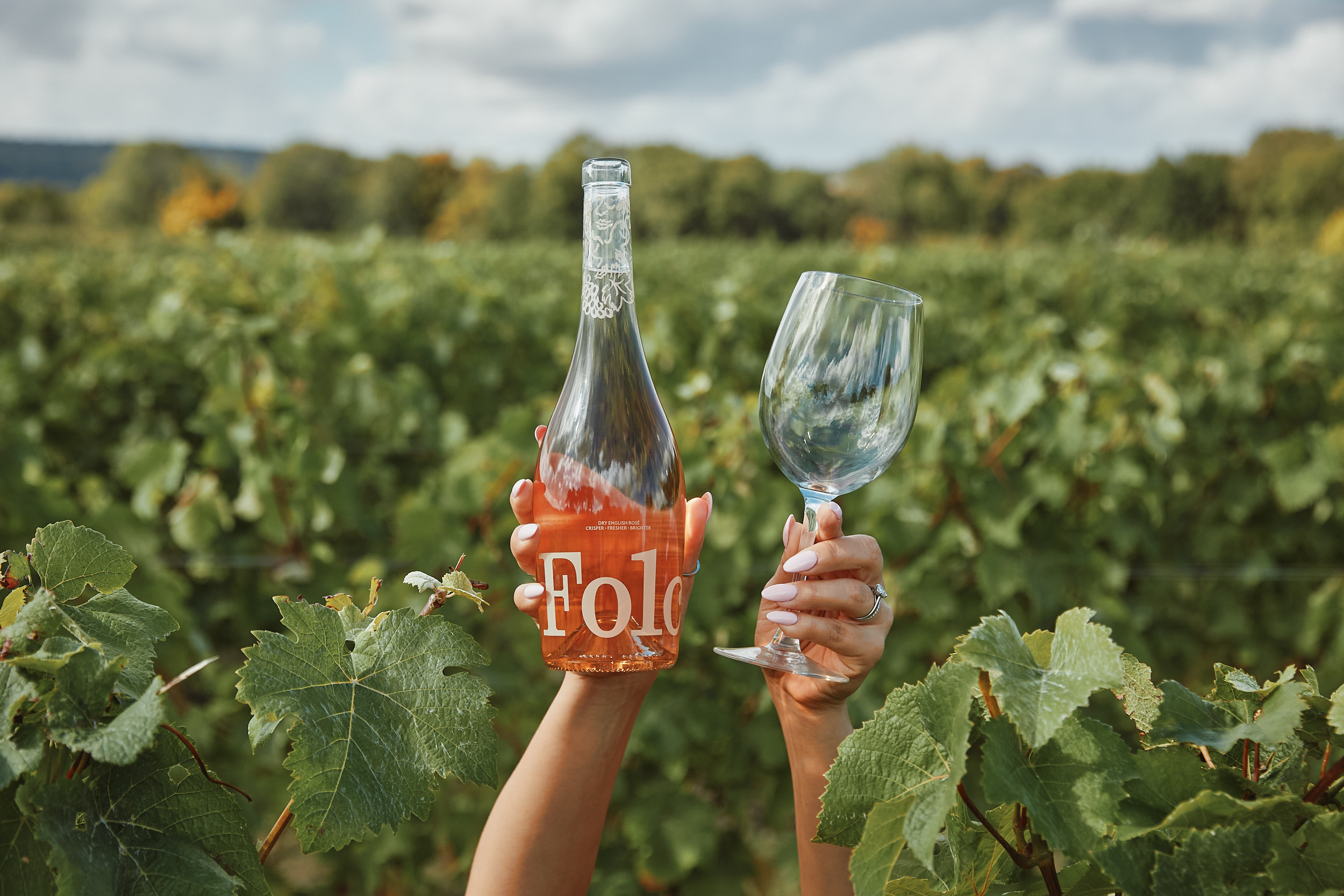



As highlighted by Euronews, protections for names such as Champagne and Prosecco remain non-negotiable in trade talks. Partners are often required to accept restrictions on the use of these names, including phasing out existing uses over time, especially for export markets.
Even in the Australia deal, compromises are limited. While some producers may retain certain naming rights domestically, their ability to use those terms in export markets is curtailed.
This underscores the EU’s view of wine as more than just an agricultural product. It is treated as a key export category tied to origin, identity and value.
A strategic balancing act
Euronews reports that this dual approach reflects both political and economic priorities.
On one hand, EU policymakers face pressure from domestic farming sectors, making full liberalisation of beef imports politically sensitive. On the other, wine represents a high-value export where protecting GIs helps maintain global pricing power and brand equity.
The result is a trade model that trades limited agricultural access for strong protections on premium, origin-linked products.
Implications for the drinks sector
For the global drinks industry, the message is clear. EU trade deals are likely to continue expanding market access for wine exports, while simultaneously enforcing strict controls over naming rights and origin protections.
As Euronews reporting shows, wine remains one of the EU’s most closely guarded assets in international trade negotiations.
Related news
What's on the new menu at Seed Library NYC?


