



Kenyan Catholic Church pilots new altar wine after old vintage becomes bar favourite
The Catholic Church in Kenya has introduced an exclusive South African vintage for Holy Mass, after the previous altar wine became widely available in local bars, raising concerns about its sanctity.

The move was confirmed during the National Prayer Day at the Subukia National Marian Shrine in Nakuru, where thousands of worshippers gathered.
Archbishop Maurice Muhatia Makumba, chairman of the Kenya Conference of Catholic Bishops (KCCB), unveiled the new wine, declaring it the only sacramental wine authorised for use in Masses. “This is the only wine that will be used in Mass celebrations across the country, going forward,” he confirmed.
Previously, the altar wine, commonly known as ‘divai’ in Swahili, was distributed by a local alcohol manufacturer and sold in supermarkets, bars and alcohol stores. Church leaders said the wine’s availability in secular outlets compromised its sacred role in the Eucharist, where it is believed to be transubstantiated into the blood of Christ during Mass.
“It has become common that unfortunately, the former wine is readily available in secular outlets and bars,” Archbishop Anthony Muheria told the BBC.
Partner Content

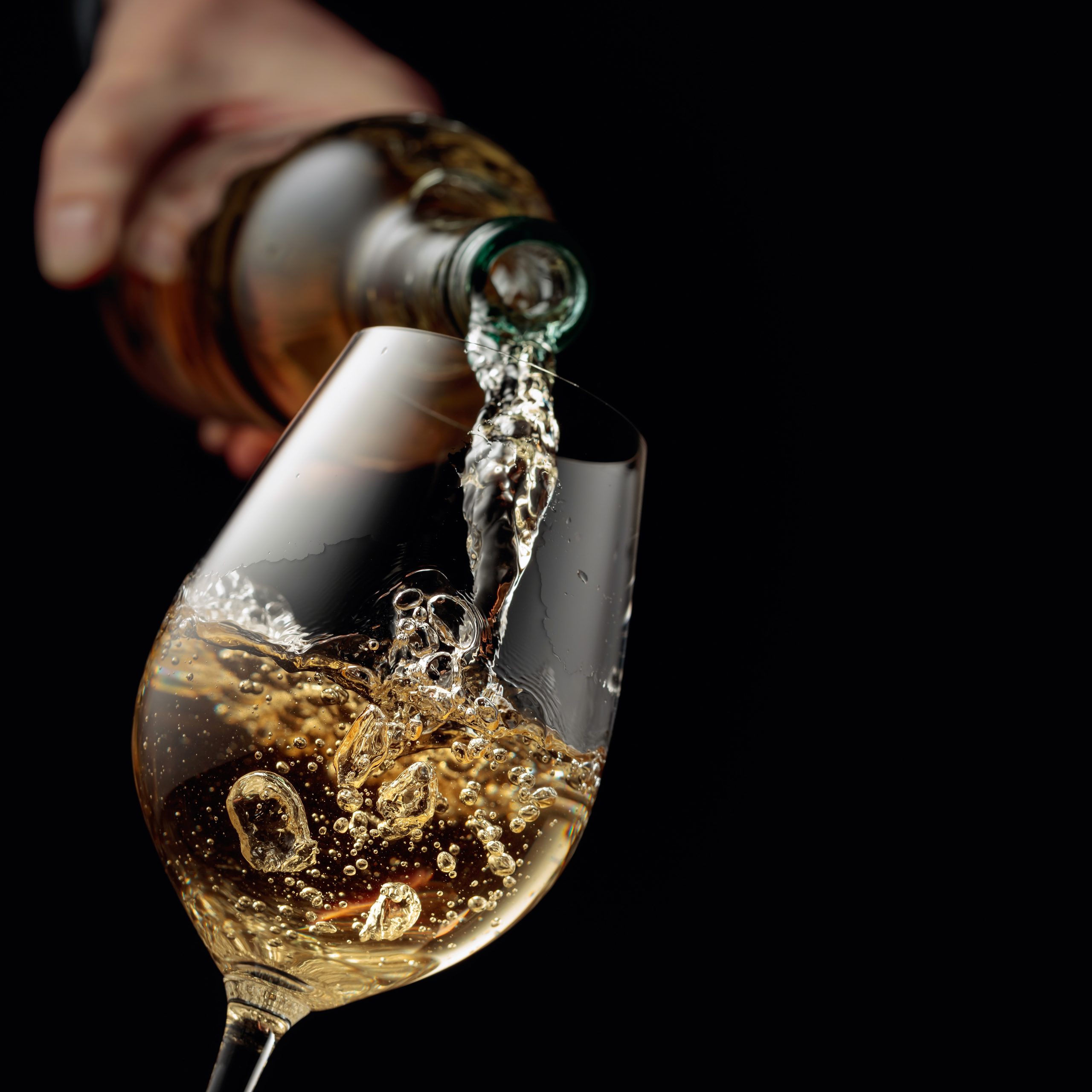


The Kenyan Catholic Church plumed for a South African vintage after exploring several options for the new wine. Its label reads: “The fruit of the vine and the work of human hands will become our cup of joy”.
Under Canon Law, the Catholic Church closely regulates the composition and quality of altar wine. Archbishop Muheria stressed that the responsibility for ensuring sacramental standards rests with national bishops. “Vigilance on the quality and standards of the wine and hosts used in the Mass is given to the Catholic bishops of the country. This is reviewed from time to time,” he said.
The newly approved wine, imported and owned by the KCCB, will not be available for commercial sale. “This assures purity from source,” Muheria added, noting that priests have been directed to cease use of the old wine and adhere strictly to the new distribution channels.
Demand for altar wine typically spikes during high seasons such as Easter and Christmas, with an estimated 10 million Catholics among Kenya’s 50 million people partaking in such celebrations.
Some members of the Catholic community have welcomed the change, citing concerns over the former wine’s accessibility and the risk of diluting its spiritual importance. “It is a valid step toward preserving the sacredness of the Eucharist and ensuring that only properly prepared wine is used for Mass,” one Catholic told the BBC.
Related news
Kenyan court clears path for Diageo’s US$2.3bn EABL sale
Kenya court clears path for Diageo EABL stake sale preparations


