



Château Lascombes launches La Côte: a sleeping beauty awakens
The first new wine from Château Lascombes following its purchase by Gaylon Lawrence Jr and the appointment of Ornellaia’s Axel Heinz, reveals the ambition of the project they are heading up. db’s Bordeaux correspondent Colin Hay reports.
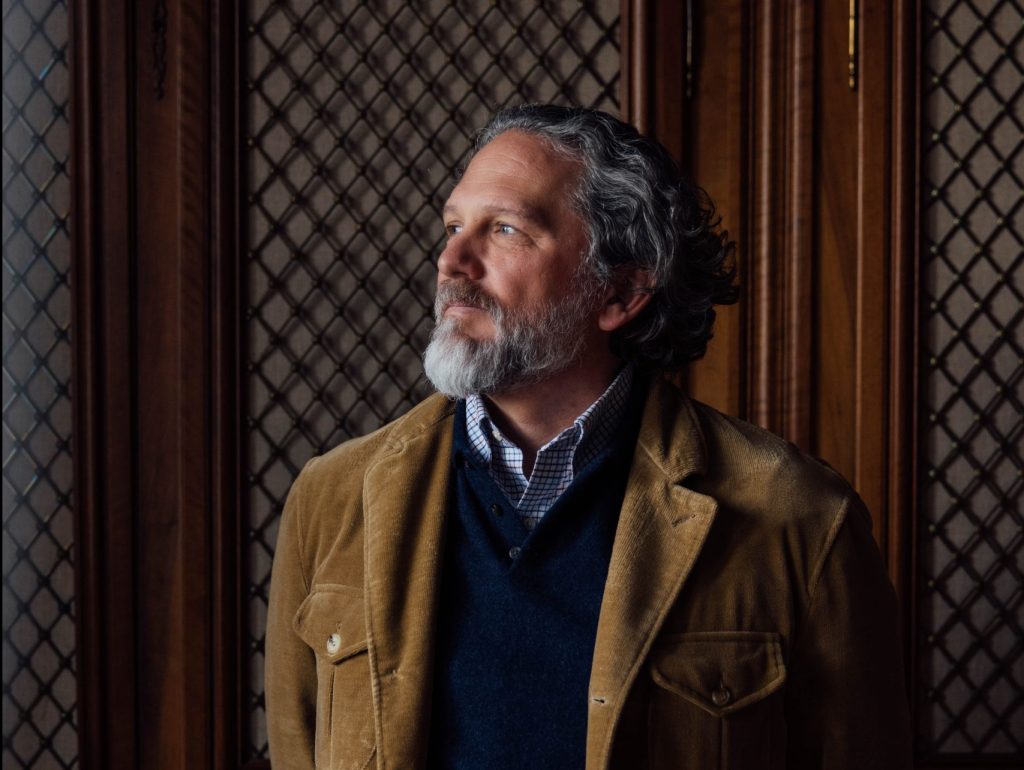
The purchase of Château Lascombes, the much-loved if somewhat languishing Margaux second growth, by Gaylon Lawrence Jr and the selection of Axel Heinz from Masseto and Ornellaia as its new winemaker in 2022 was always going to be both revelatory and transformational. And so it has proved – the proverbial kiss to the lips that wakens the sleeping beauty.
The grand vin is already transformed and, with the first release of an altogether new wine, La Côte, we get an idea of the ambition of the wider new project of which it forms a part.
Hindsight is of course capable of making the most surprising of things seem inevitable. But that the new vision for the immense 120 hectares under vine at Lascombes would involve a new wine, a monocépage wine, and a monocépage Merlot at that now seems not just logical but fêted. Coming directly from Masseto in Tuscany, how else was Axel Heinz likely to mark his arrival? But when the project was first announced it still sent shock waves through the world of fine wine.
Reimaging Lascombes
To understand the project, one has to see it as part of a wider strategy for Lascombes, a strategy that as Axel Heinz puts it seeks “to express the great classicism of the Médoc while respecting the identity of the estate”. The grand vin will now be refocussed on the parcels, largely in front of the Château itself, classified in 1855 (currently around 50 hectares). That will bring the proportion of Cabernet Sauvignon in the blend (already at 60-65 per cent) up to levels not seen at Lascombes since the second half of the 19th century. The effect will be to increase not just the production of Lascombes’ second wine, Chevalier de Lascombes, but also the proportion of Merlot within it. But both will be tempered somewhat by the construction of an entirely new wine from the historic parcel of La Côte.
La Côte is perhaps best understood as a separate vineyard, of 4 contiguous plots amounting to some 4.5 hectares. The exact date of its purchase remains unclear. But it was certainly acquired by Lascombes after the 1855 classification. It was replanted in the 1980s exclusively with Merlot and is now very much in its prime. Intriguingly, it is surrounded not by Lascombes’ own vines, but by plots of Château Margaux’s Cabernet Sauvignon.
Blue clay – the secret of monocépage Merlot
Partner Content
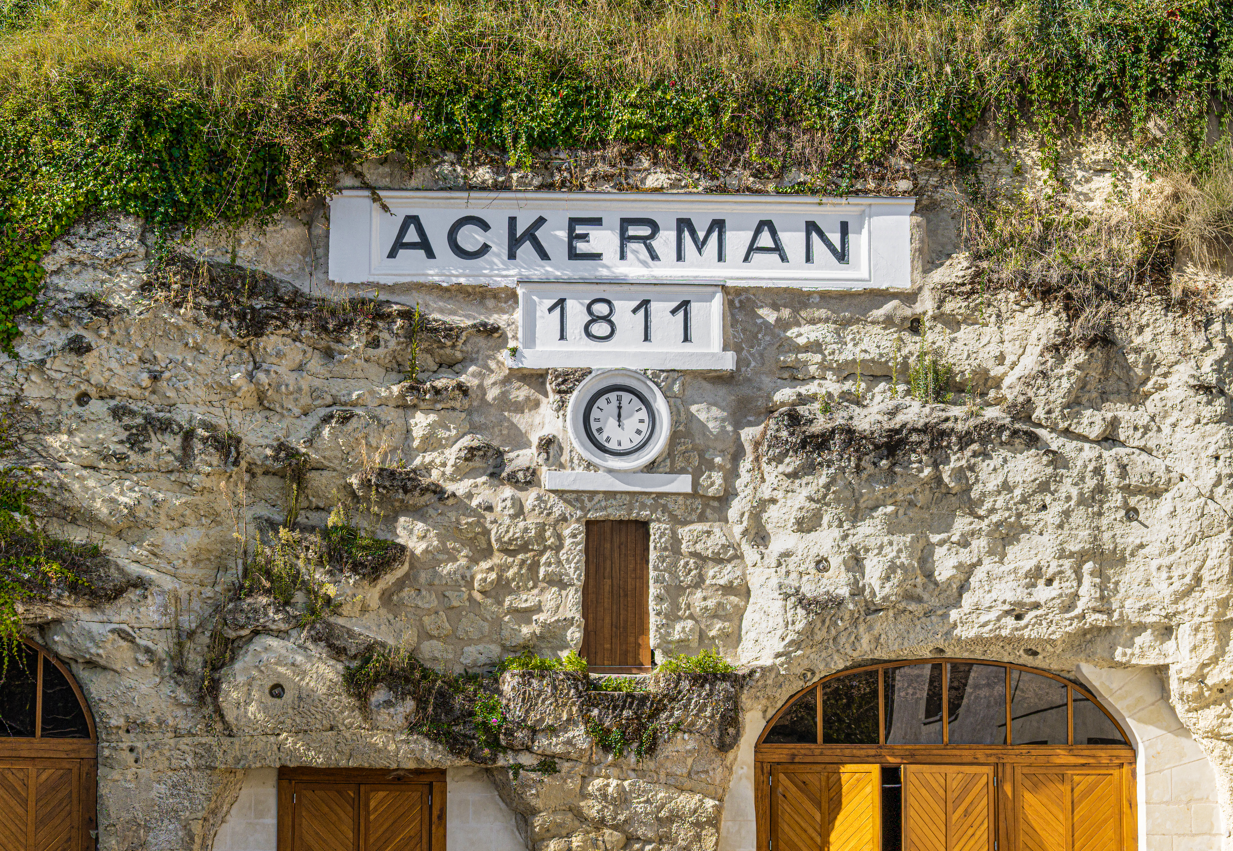

Why then, you might ask, was it planted with Merlot? The answer is simple and the secret to this project. It sits on an exceptional but also rather unique terroir – certainly for the Médoc. Like many of the best vineyard plots of the region is has a direct view of the Gironde, which is only 1.5 kilometres away. Here, this close to the water’s edge, the gravel layers of terraces three and four have been eroded. As a consequence, the soil itself is clay sitting atop a rare outcrop of relatively pure limestone. Indeed, this is not just ‘any old’ clay. For as the geological study commissioned on the purchase of the property revealed to Axel Heinz’s delight and amazement, the terroir here is characterised by the presence of veins of blue clay (such as is more typically associated with the loftiest parts of the plateau of Pomerol and, indeed, his former Tuscan home at Masseto).
Blue clay in Margaux is, of course, a complete anomaly. What it brings is incredible moisture-retention and a capacity to drip-feed highly mineral-charged water to the plant, above all in conditions of hydric stress. It is, in short, a guarantor of natural acidity, freshness and minerality. As Axel Heinz explains, “what we can say here is that blue clay creates a potassium deficiency, which explains a higher acidity level”. The blue clay discovered on these plots also ‘swells’ when it absorbs water. And it shrinks as it dries. The effect is to create little horizontal fissures into which the roots penetrate in their search for water. The capacity, then, of these plots to temper water stress and to regulate in so doing the vine’s ripening cycle is exceptional.
If there was any doubt that the project was a good one, one can only imagine that the contents of the geological analysis sealed the deal. As Delphine Barboux, Lascombes’ long-standing technical director, puts it, “La Côte now appears as an obvious choice due to its distinctive character and the decision to refocus the Grand Vin on its historic terroir. While it is destined to be very different from the Grand Vin, it also reflects the identity of Lascombes, which has long been an exception in the local landscape thanks to its Merlots.”
2022 is the first vintage of the wine and it will be released – through a limited pool of négociants on La Place and to a still smaller number of direct importers – on 24 September. Production is limited by the size of the designated parcels from which the grapes are sourced, and Lascombes’ strategy is to set a price for the wine that will not drop and that will be stable or increase over the years, it said.
However, as the drinks business reported when the new wine was announced in March, La Côte Lascombes 2022 vintage is likely to go on the market at twice the price of the Château Lascombes grand vin (about US$200 compared to $98).
Tasting notes
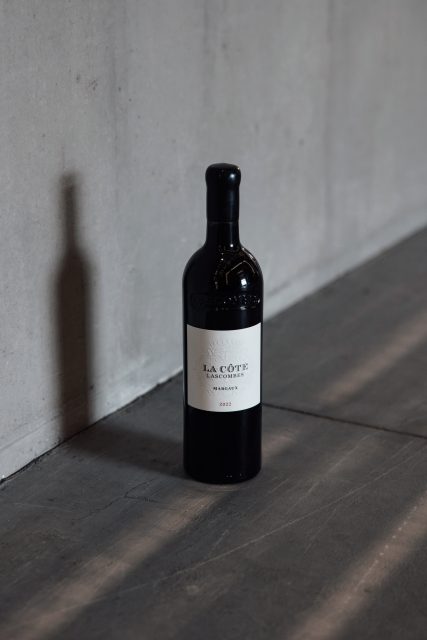
La Côte Lascombes 2022 (Margaux; 100% Merlot sourced from the 4.5 hectares and 4 contiguous parcels that together comprise the vineyard of La Côte; a final yield of 36 hl/ha; 14.5% alcohol; tasted from magnum in Paris with Axel Heinz; around 20,000 bottles were produced). The infusion vinification is very important here. A staggeringly elegant and refined wine with extraordinary levity and freshness, even in such a hot and dry vintage. This is plush, svelte, gracious and silkily-textured – and rather more ample in the mouth than Lascombes itself. The fruit is dark – sloes and damsons, brambles and mulberries – and there’s a scratch of black pepper and twist of graphite from the sharpener’s blade. The quality and character of the tannins is remarkable and a real statement of both the direction of travel at Lascombes and, of course, the sheer quality and singularity of the terroir from which this is sourced. You would not necessarily pick this as Margaux not least because of the evident ‘calcaire’ touch of the tannins. That said, there is certainly a trace of that subtle bulby florality of the grand vin if much less of its rose petal quality. Texturally this feels more like a Saint-Émilion plateau Merlot in a way, an impression only accentuated by tasting this from magnum – a format in which the tannins seem to form more of an integrated mesh – here of the finest woven silk. Subtly understated, sapid and chalky on the finish, it will be fascinating to see this evolve. 96.
Related news
Château Lascombes pulls off 'real coup' with appointment of Ornellaia's Axel Heinz
Lawrence Family Wine Estates reveals plan to bring Château Lascombes to its 'full potential'


