



Karnataka becomes first Indian state to tax alcohol by strength in excise overhaul
Karnataka has become the first state in India to introduce an alcohol-by-volume-based duty structure for booze, replacing its long-running slab system in a bid to simplify taxation, improve transparency and curb incentives for stronger drinks.
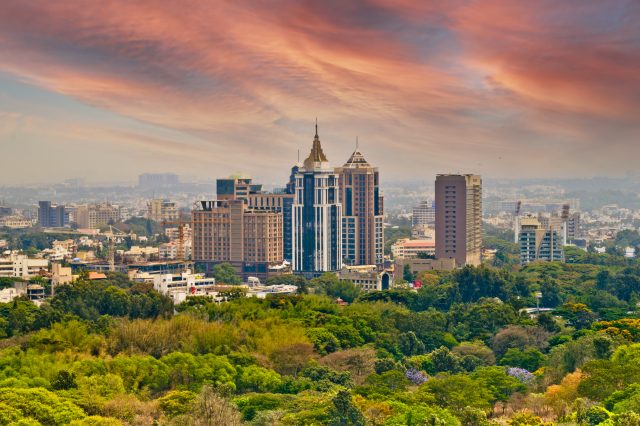
Karnataka, a state in southwestern India, has overhauled its liquor tax regulations, moving to a system where alcohol is taxed based on its ABV, rather than the previous bulk litre-based system.
The new regulations came into force on Monday 11 May.
“For the first time in India, the AIB-based excise duty structure has been implemented in Karnataka from May 11, 2026. It is globally recognised as the gold standard for alcohol taxation,” the Karnataka Excise Department announced in a statement.
AIB-based excise duty structure was announced by Karnataka Chief Minister Siddaramaiah in the 2026-27 Budget.
The proposal was first made by the KP Krishnan-headed Resource Mobilisation Committee as part of its report on Karnataka Excise Reforms.
Partner Content


For decades, liquor in the region has been taxed based on multiple pricing slabs, meaning alcohol is taxed based on price buckets or arbitrary categories as opposed to ABV.
But under the revised Karnataka Excise (Excise Duties and Fees) Rules, 1968, pricing of alcohol will be based on the percentage of alcohol in beverages.
Under the new policy, the government-administered price fixation has been deregulated. According to the government, Indian Made Liquor (IML) slabs have been reduced from the earlier 16 slabs to eight slabs. Product placement within slabs has been left to the producers based on market considerations.
The previous system was criticised for creating market distortions and fuelling the consumption of stronger drinks.
Officials hope that the proposed amended framework will simplify the structure and lead to greater transparency.
Estimates show that under the AIB-based excise duty structure, prices of mild and lager beers with 5% alcohol have dropped by 20-25%. Prices of premium Scotch whiskeys have also been reduced by 20%.


