



Moldova’s quiet wine revolution
With a long winemaking history, distinctive grape varieties and a developing wine tourism sector, Moldova is perfectly placed to win over new consumers.
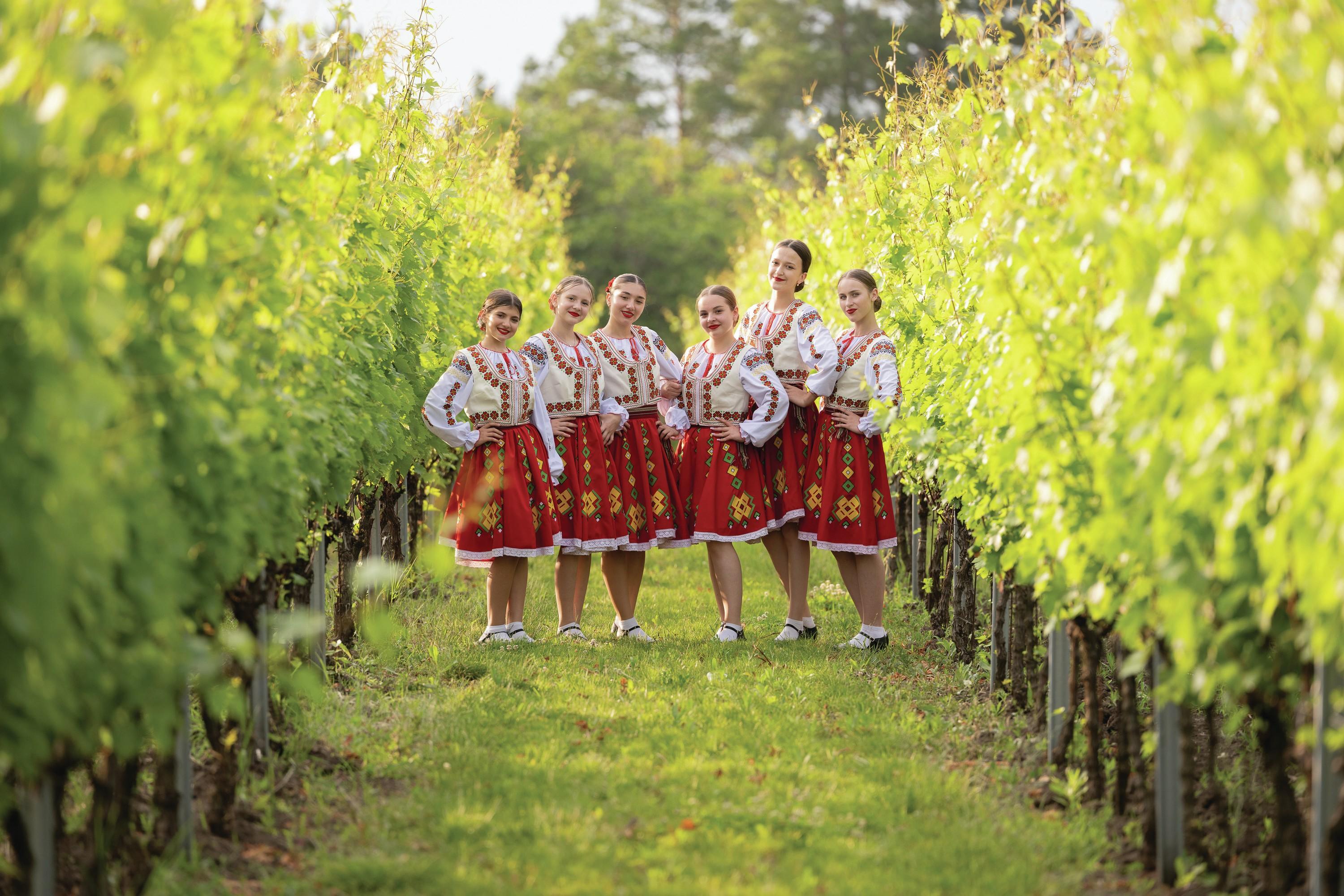
Wine is not simply an agricultural product in Moldova – it is an intrinsic element of the country’s identity. For a nation that remains under the radar for many international consumers, its scale is not to be underrated. With a winemaking tradition stretching back more than 5,000 years, Moldova today is quietly positioning itself as one of Europe’s most dynamic emerging wine producers.
“Moldova is distinctive as a wine-producing country because wine is not just an agricultural product here, but a defining part of national identity and history,” says Stefan Iamandi, director of the National Office for Vine and Wine. “Despite its small size, Moldova has the highest vineyard density per capita in the world, with around four hectares of vineyards per 100 people and nearly 110,000 hectares under vine.”
That scale places Moldova among the top 20 wine-producing countries globally, making it the 14th-largest wine exporter worldwide – a significant position for a country that remains relatively undiscovered. Around 90% of Moldova’s wine production is exported to more than 70 countries, reflecting a strong and growing international confidence. Central to Moldova’s identity is its portfolio of indigenous grape varieties.
“Fetească Albă, Fetească Regală, Fetească Neagră and Rara Neagră all deliver wines with a strong sense of place,” says Iamandi. These sit alongside international grapes including Cabernet Sauvignon, Merlot, Chardonnay, Sauvignon Blanc and Pinot Noir, all shaped by a favourable terroir between the Carpathian Mountains and the Black Sea, with warm summers, long autumns and diverse soils.
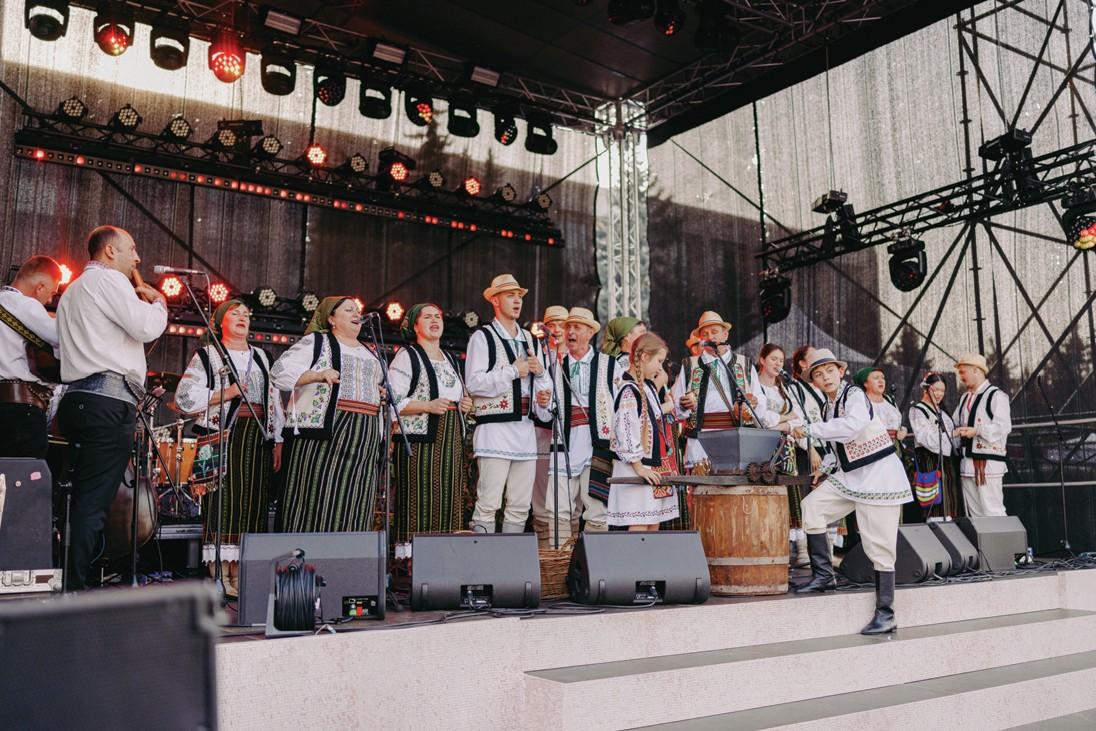
The country’s Protected Geographical Indications further define regional expression. Codru, Ștefan Vodă and Valul lui Traian articulate distinct styles, from elegant whites and sparkling wines to structured, full-bodied reds. Moldova also has a dedicated GI for Divin, its traditional aged wine spirit. While heritage runs deep, the modern Moldovan wine industry has developed in recent years. “There’s been a significant transformation, shifting from a focus on volume to quality, terroir expression and international recognition,” Iamandi explains. Investment in vineyard modernisation, advanced winemaking technologies and stricter quality standards has helped reshape perceptions both at home and abroad.
Today, Moldova is home to more than 250 wineries and a rapidly developing wine tourism sector. The country’s underground cellars and family-run estates are increasingly attracting international visitors, with the capital city, Chișinău, acting as a gateway to the vineyards.
International recognition has followed. “In the past 10 years, Moldovan wines have won over 8,000 medals at top global competitions, including Berliner Wine Trophy, Mundus Vini, and Concours Mondial de Bruxelles,” says Iamandi. Such accolades have helped support Moldova’s repositioning as a quality-driven producer capable of competing on the global stage. Export markets remain central to this strategy. “At the moment, the most important markets for Moldovan wines are within the European Union, which receives around 60% of the country’s total wine exports,” Iamandi notes, with Romania, the Netherlands and Poland showing strong demand.
Beyond Europe, interest is growing in Asia, particularly in China, Japan and South Korea, especially for premium and sparkling wines. For consumers who are first discovering Moldovan wine, Iamandi points to the country’s indigenous grapes as the ideal introduction. “For a consumer trying Moldovan wine for the first time, a great starting point would be one made from white grape Fetească Albă,” he says, describing it as “delicate, fresh, and aromatic, with floral and citrus notes”.
Red wine drinkers, meanwhile, are encouraged to explore Fetească Neagră, which Iamandi describes as “soft, fruity, and moderately tannic, with subtle spice and berry notes”. Sparkling wines from Codru or a glass of Divin offer further windows into Moldova’s diversity. A key platform for showcasing this evolution is National Wine Day, which will mark its 25th anniversary in 2026. One of Europe’s top open-air wine events, the anniversary edition will bring together a record number of wineries in Chișinău during the first weekend of October.
From a domestic celebration, National Wine Day has evolved into a strategic showcase for Moldova’s wine industry and a gateway for international visitors. International visibility has recently been reinforced at Wine Paris and is set to continue during March at ProWein Düsseldorf, highlighting stylistic diversity, authentic terroir expression and globally competitive quality. As Moldova continues to invest in quality, tourism and global promotion, its message is becoming clearer. Rooted in deep history but driven by modern ambition, Wine of Moldova is increasingly proving that this small Eastern European country has a significant role to play on the international wine stage – unexpectedly great, indeed.
Related news
Pernod Ricard’s bid to sell spirits in New Delhi blocked
South Korean pharma firm plots pivot into liquor
Japan Airlines flight delayed after cabin attendant tests positive for alcohol



Moldova has over 6000 years of wine making heritage and 331 wineries at last count. Also home to the largest and 2nd largest underground tunnels network solely for wine production and storage in the world. Milestii Mici at 200km and Cricova at 120km of tunnels. Milestii Mici also holds the record for largest wine store in the world with 2 million bottles.