



EU gives stamp of approval to Rioja’s viñedos singulares
The EU has approved Rioja’s new geographical indication of viñedos singulares, the smaller geographical units that highlight terroir, following changes introduced by the Consejo Regulador (DOCa) over the last few years.
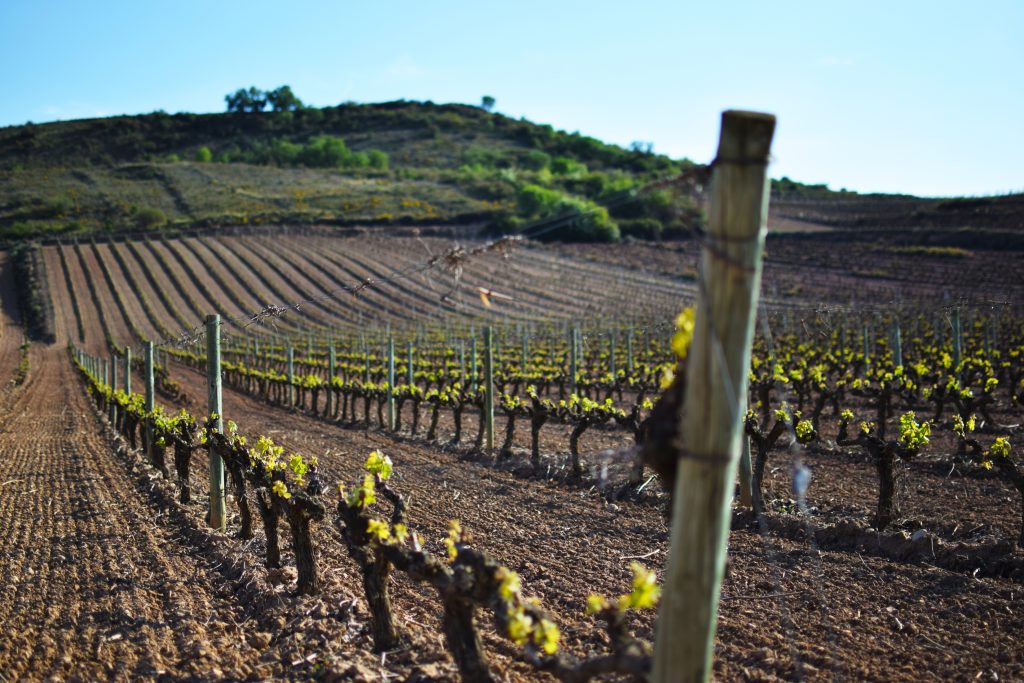
The move, which was enacted as part of the European Union Foreign Affairs Council meeting in Brussels, recognized the various Spanish ministerial decrees published in 2023, 2024 and 2025, following changes introduced by the Consejo.
It has also revised the minimum alcoholic strength of red, white and rose wine, reducing the level in grapes intended for quality sparkling wines and white grapes intended for still wines to 9% vol. It has also defined the specific thresholds for traditional barrel aged red wines from Rioja (10.5% vol. for Crianza wines and 11% vol. for Reserva, Gran Reserva, and Viñedo Singular wines).
The change is the final paragraph in the long-running debate over Spanish terroir which raged for 12 years from 2012, between the DOCa and a group of terroir-focused producers who argued that the system whereby barrel ageing was seen as the mark of quality was “oblivious to soil differentiation and levels of quality”. The debate saw one of Rioja’s most notable producers, Alava-based Artadi, quitting the organisation in 2016, with 150 producers subsequently coming together to form the ‘Club de Matador Manifesto’ to outline their demands.
In 2017, the Consejo Regulador DOCa of Rioja approved regulations creating a ‘vinedos singulares’ (single vineyard) classification, effectively allowing winemakers to highlight the terroir and origin of their wines. Five years later, it addressed the question of naming specific villages on the label, changing the ‘Vino de Municipio’ title on the bottle to ‘Vino de Pueblo’, and allowing 144 official municipalities in the Rioja wine region to become ‘pueblos’.
Partner Content


The number of official ‘pueblos’ has now risen to 164.
Related news
8 trends that will define rosé this summer
Europe's oldest vineyards threatened by solar power
Vintae signs restructuring deal to secure future of Bodegas Riojanas


