



Why AB InBev opening its Welsh dealcoholisation unit is ‘significant’
AB InBev’s Budweiser Brewing Group arm has opened its first UK-based dealcoholisation unit in Monmouthshire in South Wales. db looks into why this is a step forwards for the non-alcoholic beer category and broadening consumer choice.
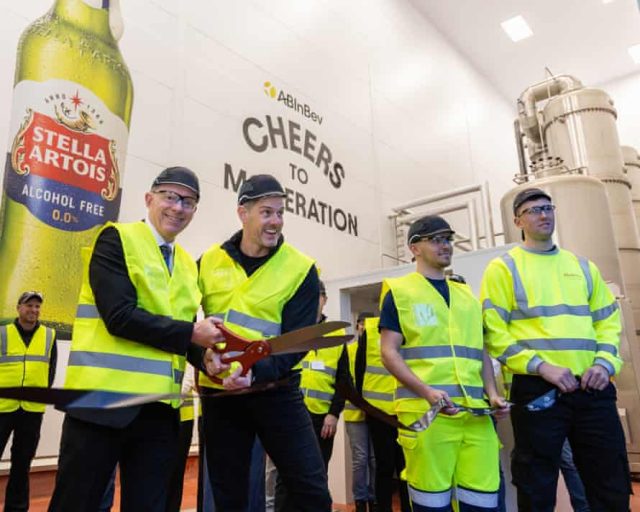
The new unit, which is based at Magor Brewery, is part of a broader investment from AB InBev into the no and low alcohol beer category in an effort to sate consumer demand.
The rise of non-alcoholic beer
The latest IWSR data recently revealed that the no and low alcohol category in the UK has experienced a one-off boost to low-alcohol volumes in the past couple of years, caused by duty changes and beer-focused ABV realignments. As a result, the total UK no and low market looks to have more than doubled in 2024 versus 2023. Looking at the trend, beer continues to be the hero of the no and low story with preliminary data showing that non-alcoholic beer grew 20% in 2024 vs 2023.
Alcohol-free beer now accounts for more than 2% of total beverage alcohol market sales in the UK, highlighting just how big a part the subcategory is beginning to play in the overall drinks sector. According to the British Beer and Pub Association (BBPA), no-and-low beer sales in UK pubs were on track to reach a record 140m pints in 2024, around 20m pints more than in 2023. Added to this, the trend is continually seeing growth with around 86% of UK pubs now serving a no-or-low beer option, although only 8% serve it on draught, a situation that has been noted to be an area that’s ripe for development.
Looking at the new unit’s opening as a reflection of the trend and also assisting in big beer meeting its sustainability targets by serving the UK market with beer closer to home, the move from AB InBev to open the dealcoholising facility marks a strategic step forwards for the company.
The unit was officially opened by Sir Chris Bryant MP, minister for trade, and allows brands like Stella Artois 0.0 and Corona Cero to all be produced within the UK to reduce beer miles and strengthen supply chains. Upon opening the facility, Bryant said: “Low and alcohol-free options have been transformed in recent years and thanks to this significant investment in South Wales, drinkers across the country will have yet more choice at home or in the pub.”
‘A real vote of confidence’
Bryant insisted: “This is a real vote of confidence in our world-class manufacturing sector, proving yet again that the UK remains a smart choice for investors, delivering jobs and long-term growth around the country.”
Partner Content


According to AB InBev figures, its non-alcoholic beer portfolio has generated a 27% increase in global revenue in the business’s third quarter of 2025 and the move has been described as both “significant” and a “commitment” from the business. AB InBev, BU west president Brian Perkins explained: “Our investment into a new dealcoholisation facility marks a significant step forward in our UK operations. It enables us to strengthen our manufacturing footprint in Wales, build our local supply chain, and demonstrates our commitment to delivering products that support consumer choice and moderation.”
Perkins added: “Whether consumers choose alcohol or alcohol-free, they can enjoy the same high quality, world-class brewing they expect from our brands.”
The growth of the sub-category of beer has seen success in its reputation as well as its availability of late with industry figures such as Club Soda founder Laura Willoughby MBE suggesting that non-alcoholic beers should be classed as a functional drink. Other teetotallers such as singer and performer Robbie Williams having thrown money behind the alcohol-free beer category, boosting its appeal.
Ahead of the trend
Noting the spike in the trend early on, AB InBev now offers 29 no-alcohol beers in more than 45 different markets, making its zero-alcohol beer range one of the largest in the world. AB InBev launched two alcohol-free versions of its best-selling beer brands Budweiser and Stella Artois back in 2020 before supporting its non-alcoholic beer variants with marketing campaigns that followed in the years afterwards.
AB InBev has been on a drive ever since to increase the number of alcohol-free drinks it sells, and had previously set a target for non-alcoholic and low ABV beverages to makeup one fifth of its global production by 2025. Just five years ago, low ABV and alcohol-free beers made up around 10% of the business’s overall volumes.
But times have changed and dealcoholisation has since become part of the beer giant’s battle cry. Speaking about how AB InBev makes its non-alcoholic beer, Stella Artois UK marketing manager Sam Cernak told db: “We brew all Stella Artois Alcohol-Free using exactly the same process as standard Stella Artois, but then we remove the alcohol. This process is key in order to help us maintain the same taste that consumers love, as the brewing process and the malts, hops and yeast used all lend Stella Artois its unique flavour.”
Related news
Sunshine lifts beer and cider sales but April trading stays flat


