



Mezcal moves into the spotlight as demand climbs
As interest in agave spirits broadens beyond Tequila, mezcal is gaining new attention. Mezcal Unión co-founder Alejandro Champion explains why the category is growing – and why tradition, terroir and community remain at its core.
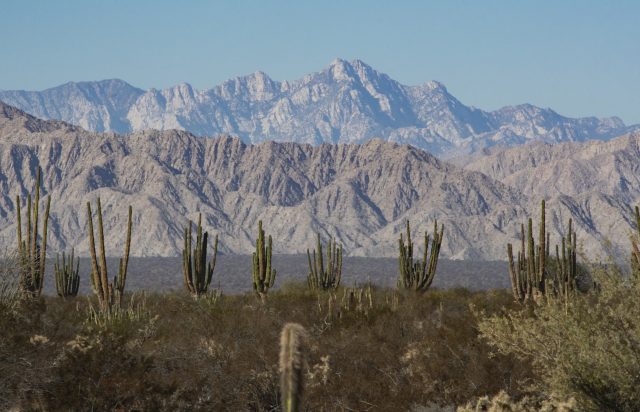
With Tequila’s global boom showing signs of slowing, the wider agave category is drawing fresh scrutiny. Mezcal, long celebrated in Mexico but historically less understood internationally, is now becoming a focus for bartenders and drinkers seeking authenticity, craftsmanship and complexity.
For Alejandro “Champ” Champion, co-founder of Mezcal Unión, the spirit’s rise comes from a growing appreciation of its cultural and agricultural roots.
“Tequila is historically a style of mezcal. The word mezcal, by definition, means ‘Corazón de Agave Cocido’: Cooked Agave Heart. It comes from the Nahuatl language, the language of the Aztec Empire,” he says. He notes that Tequila only became legally distinct in 1974, when producers in Jalisco secured a Denominación de Origen that required the use of a single species, Agave Azul. “Tequila was born as a modern version of mezcal, a product where innovation took place.”
Mezcal itself has its own Denominación de Origen, centred on Oaxaca and extending to eight other states. “All Tequila is mezcal, but not all Mezcal is Tequila. Mezcal represents tradition — the tradition of Mesoamerican tribes. Among all styles of Mezcal, Tequila is just one of 4 produced in Mexico.”
A return to artisanal roots
Champion describes mezcal production as inherently tied to Indigenous knowledge and slow craft. “Mezcal production is like going back to the roots of this millenary tradition. It is produced in an Artisanal or Ancestral method by Indigenous communities, families that have inherited the knowledge from generation to generation. It is a handcrafted spirit, made from agaves that grow within the Denominación de Origen.”
Producers may use single-variety agaves or ensembles. Espadín remains the most common, named for pencas shaped like long swords. Cooking also defines mezcal’s character. “The agaves are cooked in a conical earth oven, where they are roasted with wood logs and volcanic stones buried beneath the ground. The flames and smoke impart mezcal’s signature smoky aroma. This differs from tequila, where agaves are steamed in hornos or autoclave rooms… where steam, rather than fire, cooks the agaves.”
While mezcal is known for its smoke, Champion emphasises that it should be measured rather than overwhelming. “Mezcal is the spirit of Mexico. It will always carry its characteristic smoke because it is produced artisanally, as our ancestors did. But it should never be a smoke bomb; mezcal must remain balanced between the flavors of the agave and the aromas of the process.”
Agave maturity also shapes the final profile. “Agaves can take anywhere between six to twenty or more years to mature. Their terruño is so present that smoke is only one characteristic… because the goal is to experience the virtues of Mexican soil through the agave.”
Terroir and blends
Mezcal Unión produces two core blends. “UNO is a blend of Espadín (6-8 years of maturation), which tends to be sweet and fruity, and Cirial (8-14 years of maturation), which tends to be mineral, citrus, and herbaceous.”
“El Viejo is a blend of Espadín… and Tobalá (8–15 years of maturation), which I believe tastes like butter, mango, mint, and cinnamon.”
Partner Content

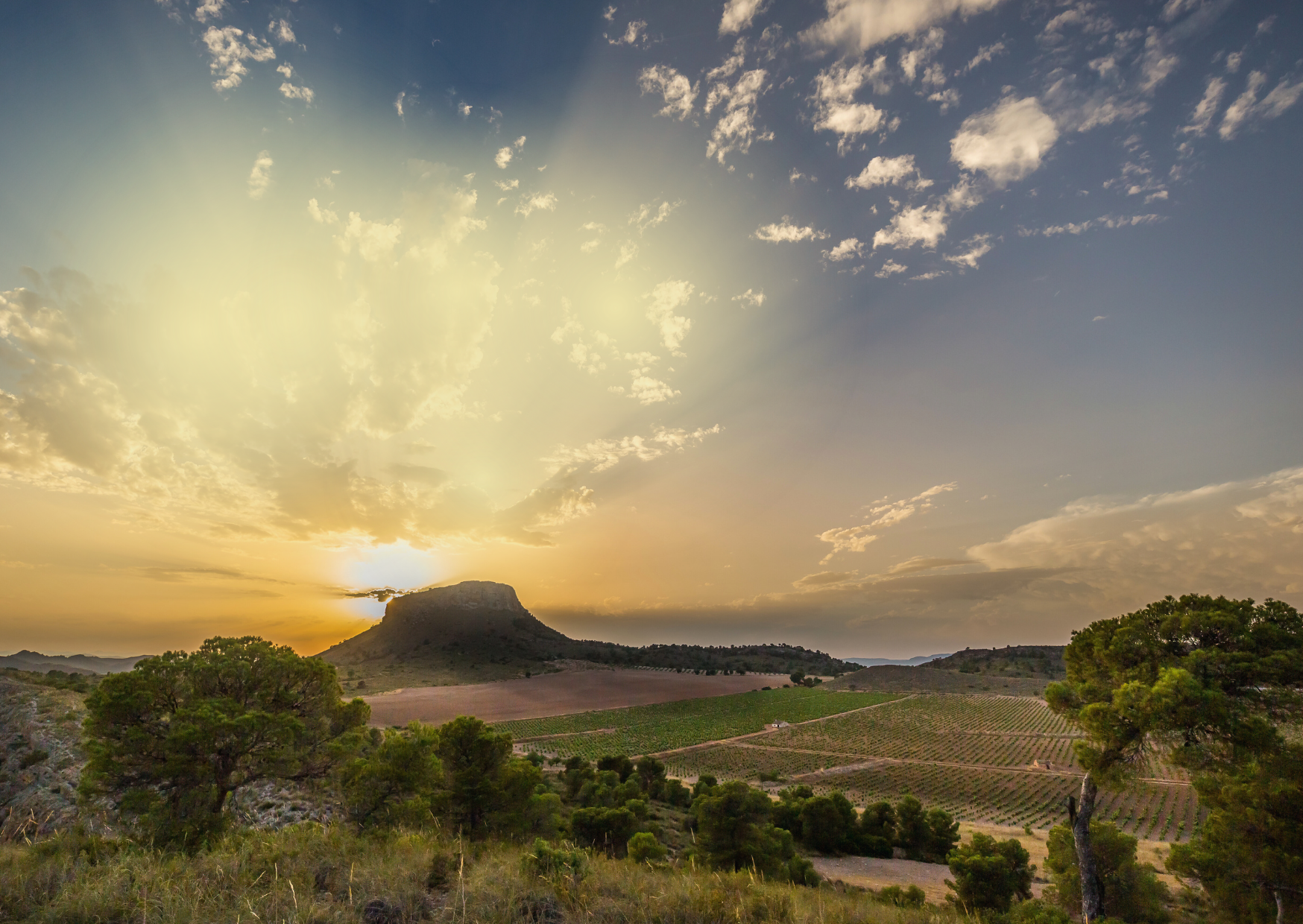

Champion stresses that uniqueness, rather than hierarchy, defines mezcal. “I do not believe there is a better mezcal than another, as long as it is artisanal or ancestral and respects tradition, people, and the environment.”
Community at the centre
For Mezcal Unión, business growth is tied directly to building sustainable livelihoods in rural Oaxaca.
“What makes Mezcal Unión unique is its blend of agaves and the business model that brings farmers and producers together. We financially support rural communities, enabling families to scale their production capacity, become entrepreneurs, and suppliers for Mezcal Unión.”
The approach is rooted in advice from a local maestro. “We named Mezcal Unión ‘Unión’ because an elder Maestro Mezcalero inspired us with the belief that la unión was the path to preserve artisanal production and remain environmentally responsible.”
Champion explains how scaling can transform communities. “He taught us that rural communities in Oaxaca, if supported financially to scale their production, certify their distilleries… and increase their output… could, by uniting several Maestros Mezcaleros, preserve artisanal production while diversifying opportunities. In this way, they could scale and share their mezcal with the world.”
How to drink it
While mezcal performs well in cocktails – and increasingly appears on bar menus – Champion sees versatility as a key strength.
“Mezcal can be paired with fruits such as watermelon or jícama, but it pairs exceptionally with chocolate, cheese, or mole. Mezcal is the perfect ingredient to accompany food.”
His go-to drink is a twist on a classic. “Personally, my favourite cocktail is a Mezcal Mule… it is refreshing and delicious. However, any classic cocktail where the base spirit is replaced with mezcal works wonderfully because mezcal embodies the characteristics of many spirits. Its smoke is reminiscent of the peatiness of Scotch; it carries the botanicals of gin; and it expresses terruño… like a fine wine. It is so complex and bold that it will amaze you in any cocktail.”
But the most traditional serve remains the simplest. “The best way to enjoy mezcal, in my opinion, for the first time is with a neat pour, sliced oranges, and some sal de gusano… You sprinkle a bit on the orange, and sip the mezcal ‘beso a beso.’ You never shoot mezcal; you enjoy it poco a poco.”
The spirit of Mexico
Above all, Champion sees mezcal as a cultural touchstone. “The most valuable thing about Mezcal is that it embodies the spirit of Mexico itself. In my personal opinion, the best way to represent and taste Mexico is through Mezcal. Agaves hold within their hearts at least a decade of Mexican sun, soil, and minerals… Mezcal is a way of life, connecting us Mexicans to our ancestors — a spirit that unites us and links us to spirituality, tradition and heritage.”
As global drinkers seek meaning and origin in the spirits they choose, mezcal’s combination of history, craftsmanship and terroir may explain why its moment appears to be arriving.
Related news
Becle profits fall sharply as North America demand weakens


