



Line of Duty Free: the return of global travel retail
GLOBAL TRAVEL retail (GTR) has been one of the biggest drinks casualties of the pandemic, but as borders have begun to open up, so too has consumer confidence, with numbers creeping up, fuelled by pent-up demand.
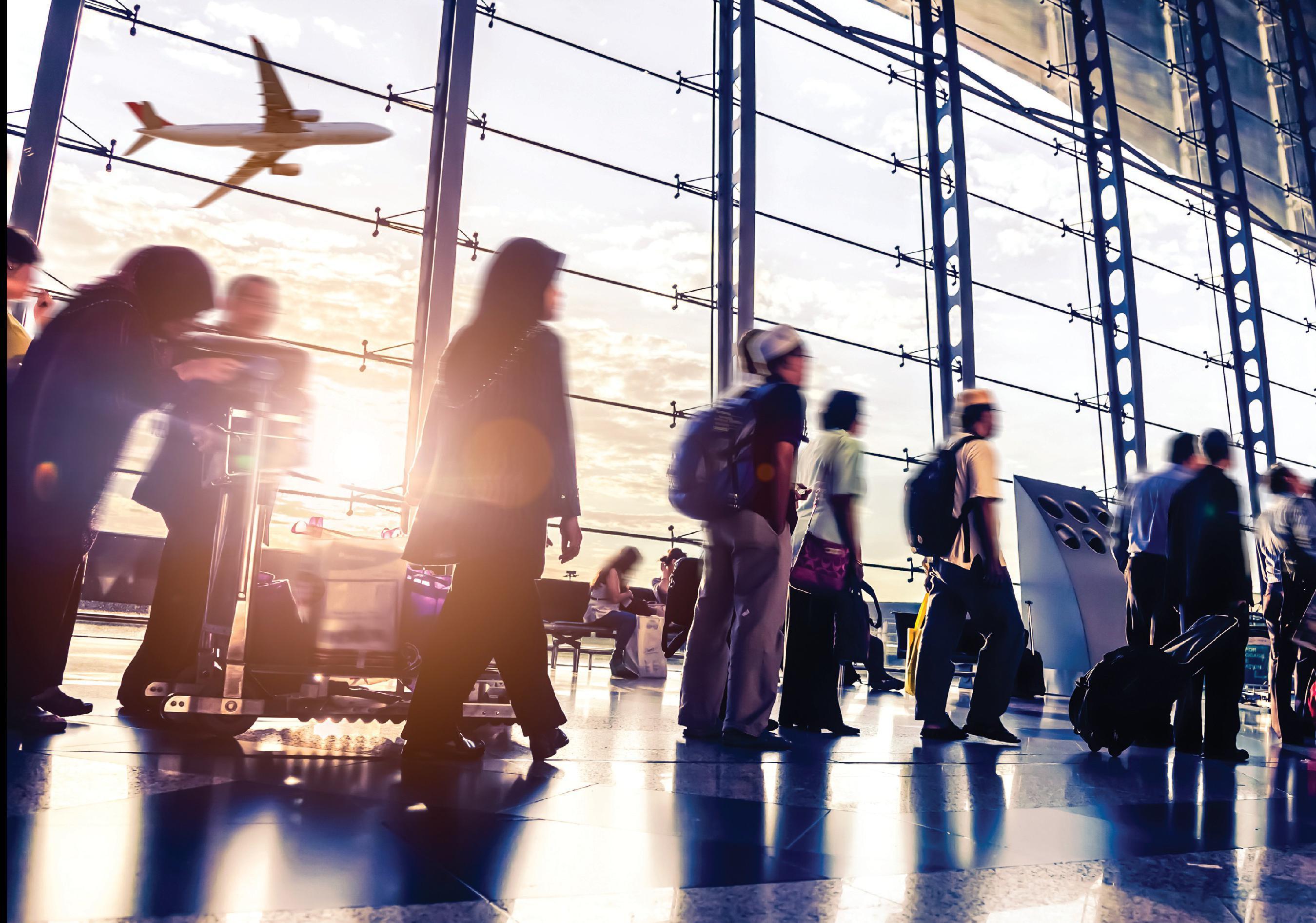
According to Mohit Lal, chairman and chief executive officer of Pernod Ricard Global Travel Retail, overall traffic recovery is close to 70% of pre-pandemic levels. Passenger volumes have grown from 140 million travellers in 2021 to around 635m now – although as anyone who has been abroad this summer can attest, airlines and airport operators have struggled to manage that growth.
“Travel retail has shown great recovery as passenger traffic continues to improve, with especially rapid acceleration witnessed after the Omicron scare,” Lal says.
The recovery is strongest in Europe and the Americas, where strong consumer demand to travel, and an increased propensity to visit and buy alcohol in the channel is fuelling sales. The Gulf and India are showing positive signs of recovery, but, unsurprisingly, East Europe and Russia are suffering from a lower level of flights due to the consequences of the war in Ukraine, while Pacific and South-East Asia are still catching up due to a comparative delay in removal of restrictions. North Asia is still further behind, with Chinese consumers (the largest buyers of alcohol in GTR) still yet to return meaningfully to the market, Lal says, although there has been a strong performance from the domestic duty-free business in this region.
Hainan, for example, has been a key driver of regional travel retail recovery in China, having benefitted from a raising in the offshore duty-free policy in 2020.
POSITIVE GROWTH
Meanwhile, Treasury Wine Estates (TWE) reports that in Australia, the Sydney and Melbourne markets are active, as are Singapore and Bangkok, and there is positive growth starting to come through in Dubai. The UK and Europe have been performing strongly, the company says, particularly Heathrow and Gatwick airports.
Lal notes that travellers are looking to make up for these lost travel opportunities. He cites Pernod Ricard’s latest Consumer Sentiment Tracker data (from July 2022) showing that a willingness and expectation to travel continued to build in line with globally reduced restrictions. “Seventy-seven per cent of global audiences say they are willing to travel, with 68% planning to do so within the next six months,” he points out. “This is the highest since the start of the pandemic, and is continuously increasing since April last year, and is particularly true for European and American audiences.”
Thomas Leclercq, head of GTR at Viña Concha y Toro, who is based in Shanghai, China, is convinced that it will take time for the industry to fully recover – citing data that suggests there is no expectation for things to get back to pre-pandemic levels until 2024, “if not later”.
But he argues that the figures are positive compared with what the sector has been through – and two years of restrictions has led to considerable demand – even if some markets are feeling the effect of fewer Chinese consumers.
There is also a strong willingness to shop, he says. “We’re seeing that many travellers have a bigger basket size, and are buying more expensive products. This is leading to incremental growth and sales recovery that is better than travel recovery by passenger numbers in most locations,” he says.
TWE agrees that this premiumisation trend continues to play out in travel retail, mirroring the activity in other channels. “Customers are buying less volume but trading up to more premium products,” a spokesperson says. “In the year ending 30 June 2022, 83% of our global revenue came from the premium and luxury portfolios, an increase of six percentage points on the previous year. Gifting and large formats such as magnums also continue to perform strongly across our core product range in GTR.”
However, Sandra Janetzki, senior vice president of Henkell Freixenet Global Export, sounds a word of caution. “The increase of the purchase value is not yet at the same level as the increase of the volume of travellers compared to pre-Covid years,” she explains, noting that recovery at European airports is not as strong as had hoped, partly due to Russian’s invasion of Ukraine.
“Not only tourism, but business travel is changing,” she says. “More meetings take place virtually, and companies are reducing their costs by undertaking less business travel, meaning there are fewer business travellers spending in duty free, and the wine category is affected by this.”
That said, she is confident that business travel will bounce back. “It’s just a matter of time before these higher-spending business travellers come back to the store,” she says.
So far, so good. But what does the future hold for the travel retail industry? Have consumer mindsets changed as a result of the pandemic? And how are retailers and brands grabbing consumers’ attentions and future-proofing the industry?
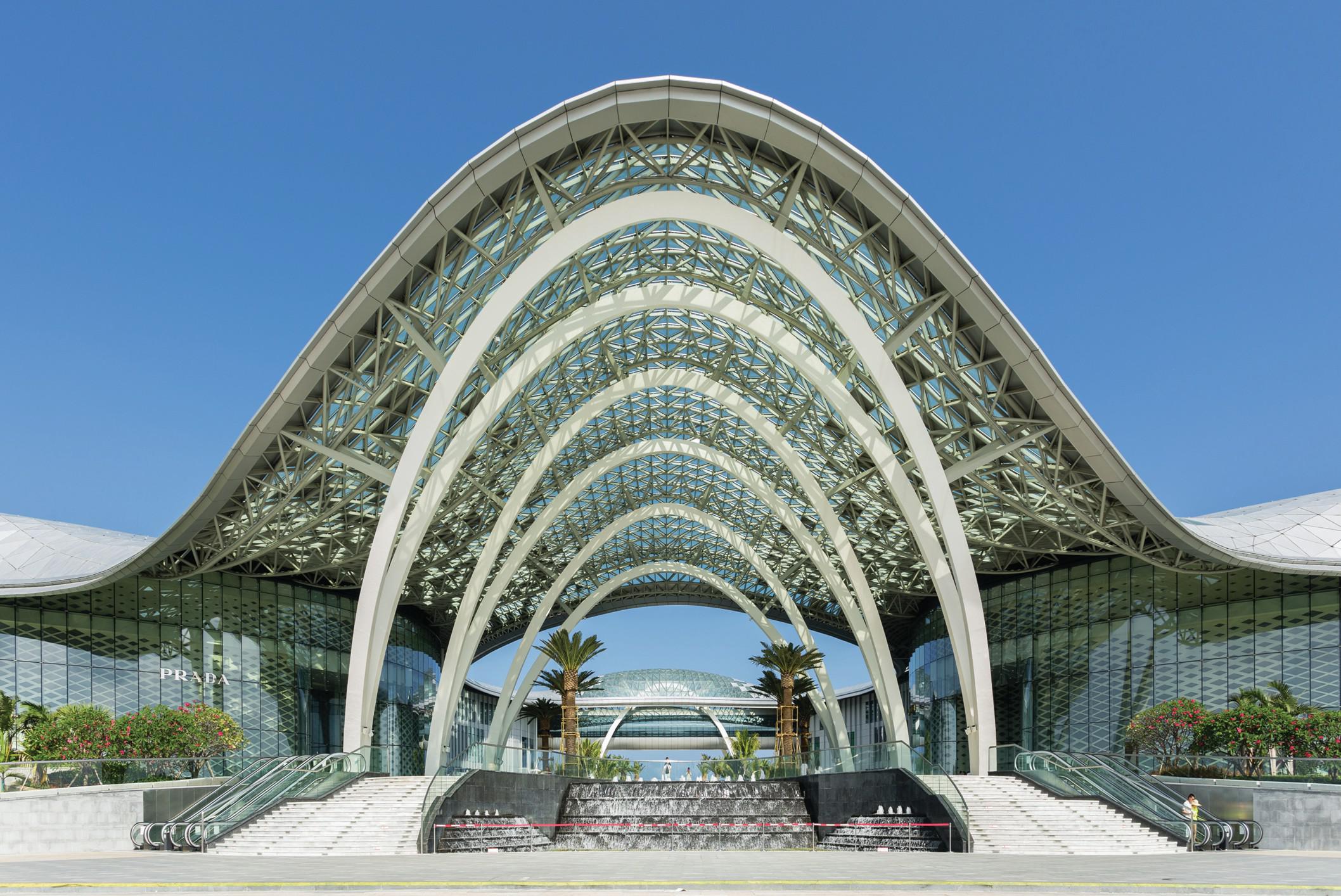
As in the other retail channels, the past year has seen e-commerce emerge in global travel retail, and both wine and spirits brands are making the most of this opportunity – Penfolds, for example, is partnering with key customers including Singapore Airlines’ KrisShop for a digital store-in-store, and DFS for a WeChat store. This reflects the appetite from business and leisure travellers to engage with wine brands in new ways.
Digital acceleration has been a key trend, with travellers expecting a greater number of digital service than before the pandemic – and now shoppers are increasingly planning their purchases in advance.
Leclercq points out that whereas product information used to be relayed by brand ambassadors in stores, today, by the time people reach the outlet they largely already know what they want to buy, having done their research online, looking at review sites such as Vivino, and gathering information. As a result, brands need to be at these touch points with consumers, and provide the information they want to know.
Travel retail analytics company m1ndset also highlights the strong potential for pre-ordering services, especially for home delivery, arguing that very few travellers order alcohol products in advance online, partly due to low awareness of this service.
While some retailers in some markets are finding their way through this, China, and retailers such as the Dufry Group and Lagardère are at the forefront, pushing the boundaries of retail and theatre to tap into the increased consumer expectation for in-store ‘theatre’, and digital services. “The Chinese retailers know what they’re doing online, as the online landscape is much more ahead of the game, and more developed than in the West,” Leclercq notes.
Dafydd Pugh Williams, Diageo’s global travel marketing and innovation director, explains that “it is about giving consumers experiences and moments in duty free which both spark interest and understanding”.
For example, Diageo has opened a digital whisky store with immersive gamified experiences in Delhi, as well as an immersive Johnnie Walker Blue Label sampling pop-up in Singapore, and the Tanqueray 0.0% lounge at Heathrow Terminal 5.
“This is important for airports and the consumer. VR (virtual reality) is just one way in a short time and small space to provide an in-depth context to a luxury liquid like an aged spirit or blended scotch,” Pugh Williams says.
He argues that VR not only gives product information succinctly, but can also convey the passion and commitment that goes into producing a product that consumers might not immediately understand or appreciate.
DIGITAL SERVICES
Pernod Ricard’s Consumer Sentiment Tracker from December 2021 revealed that 67% of travellers expect duty-free stores to offer more types of digital services than before the pandemic – and brands are meeting this expectation.
Lal notes that Pernod Ricard’s Cognac brand, Martell, for example, uses “deep consumer insight and digital innovation to respond to these new trends and priorities”.
He cites Hainan’s Mova Mall as “a stunning example of retail innovation and theatre, bringing digital and physical elements together to elevate the consumer experience. Digitalised merchandising units, product personalisation, VIP tasting opportunities and M.i, Martell’s hero instore shopper-engagement feature, the Martell Untouchable Taste, all combine to streamline the shopper experience and allow consumers to feel even more connected to the brand,” he says.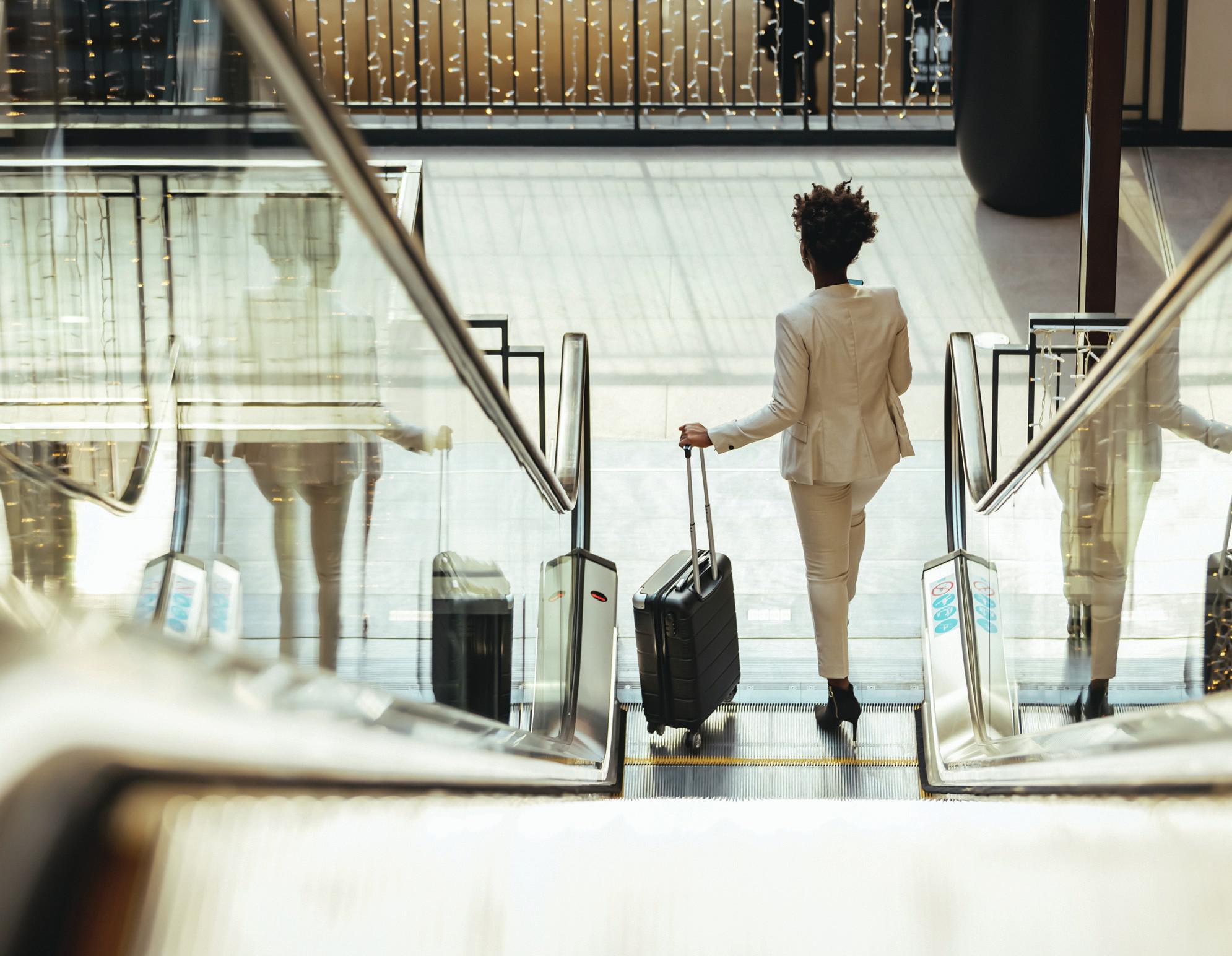
“AI is just one of the technologies that can be used to bring brand experiences to life, to offer consumers something unique that they cannot find in the domestic market.”
And it’s not just the spirits brands – according to TWE, consumers are looking for new ways to engage with wine brands. “We are pioneering work with augmented reality to create ‘living labels’ in our 19 Crimes, Matua, Wolf Blass, and Lindeman’s wines, making the most of interactive technology to add another dimension to wine labels and create another touchpoint to showcase a brand’s personality,” the TWE spokesperson says.
“We know that consumers in global travel retail want to engage with wine brands on a deeper level, learning about the brand’s history, the varietal, or a new wine region.”
This appetite has also informed its Penfolds ‘Venture beyond’ outer-space-themed pop-ups at key sites, including airports in South-East Asia, featuring limited-release products, gift canisters, and personalised accessories, which are complemented by print media, social media, video advertising, and point-of-sale activations.
However, it’s not just about the way people shop; after the lockdowns, people are spending their money differently. “They have less to spend, and want to spend it better,” Leclercq explains. “People are drinking more wines at home than they used to, but less frequently, so they splurge on a better bottle.”
Pugh Williams agrees, pointing to the growth in Diageo’s luxury portfolio, with Johnnie Walker Blue Label and malt whiskies such as The Singleton and Talisker seeing strong growth.
But it’s not just booze that is on the up – the non-alcoholic sector is also gaining ground. “We are seeing promising signs that the non-alcoholic category growth seen in domestic markets is starting to translate into GTR,” Pugh-Williams says, pointing to growth in its Tanqueray 0.0% in GTR and domestic retail.
“The rise of the non-alcoholic category is certainly one consumer-driven insight that has the potential to drive significant sales for the industry and help positively shift how consumers interact with the category,” he adds.
Another trend to watch is sustainability – Lal quotes a 60% uplift from 2019 in people saying that sustainability (in terms of the product and the packaging) has an impact on their purchasing decisions in duty free.
FUTURE-PROOFING
Given the challenges of the past few years, are brands concerned about the future? As Thomas Leclercq jokes: “After what we’ve been through, if we’re not future-proofed now, I don’t know what will make us future-proofed.”
While not complacent, he is confident about the future in part because of the way the channel has responded to the pandemic. “It shows how the industry can come together if it has to,” he says. “And it has proved it has the ability to reinvent itself. When your back is against the wall you find ways to get out of the situation. We have shown the industry as that as a channel we are resilient, despite having been affected in ways other channels weren’t.”
Related news
Frontera Chardonnay secures Gold in blind-tasting competition


