



Mission to make world’s first space wine takes off in Texas
Hundreds of grape seeds from Texas will be sent to the International Space Station (ISS) as part of a research project examining the impact of cosmic radiation on grapevines. The project could lead to the world’s first wine made from grape seeds that have travelled through space.

Scientists at Texas A&M University hope the six-month mission will reveal how space radiation influences plant genetics and resilience. If successful, the project could eventually produce what researchers believe would be the world’s first wine made from grapes grown from seeds that travelled through space.
The experiment forms part of the Texas A&M/Aegis Aerospace Multi-Use Space Platform Integrating Research and Innovative Technology (TAMU-SPIRIT) mission, an orbital research platform designed to support scientific experiments aboard the ISS.
The grape seed project brings together researchers from Texas A&M AgriLife Research, Texas A&M AgriLife Extension Service, the College of Agriculture and Life Sciences, and the College of Engineering.
The idea originated with aerospace engineering students Coby Arnold and Arvind Subramanyam, who proposed an ISS experiment as part of their senior design project. Working with viticulture specialist Justin Scheiner, they developed a protective carrier to allow the seeds to survive prolonged exposure to space radiation.
Researchers say the shielding is designed to prevent radiation levels from rendering the seeds non-viable while still allowing enough exposure to trigger genetic changes.
Seeds to be compared with Earth-grown vines
After returning to Earth, the seeds will be planted at the AgriLife Research vineyard at Thomas Ranch alongside identical control seeds that remained on Earth.
Scientists will compare the plants’ growth, genetics and grape production to determine whether exposure to cosmic radiation produced measurable differences.
Partner Content

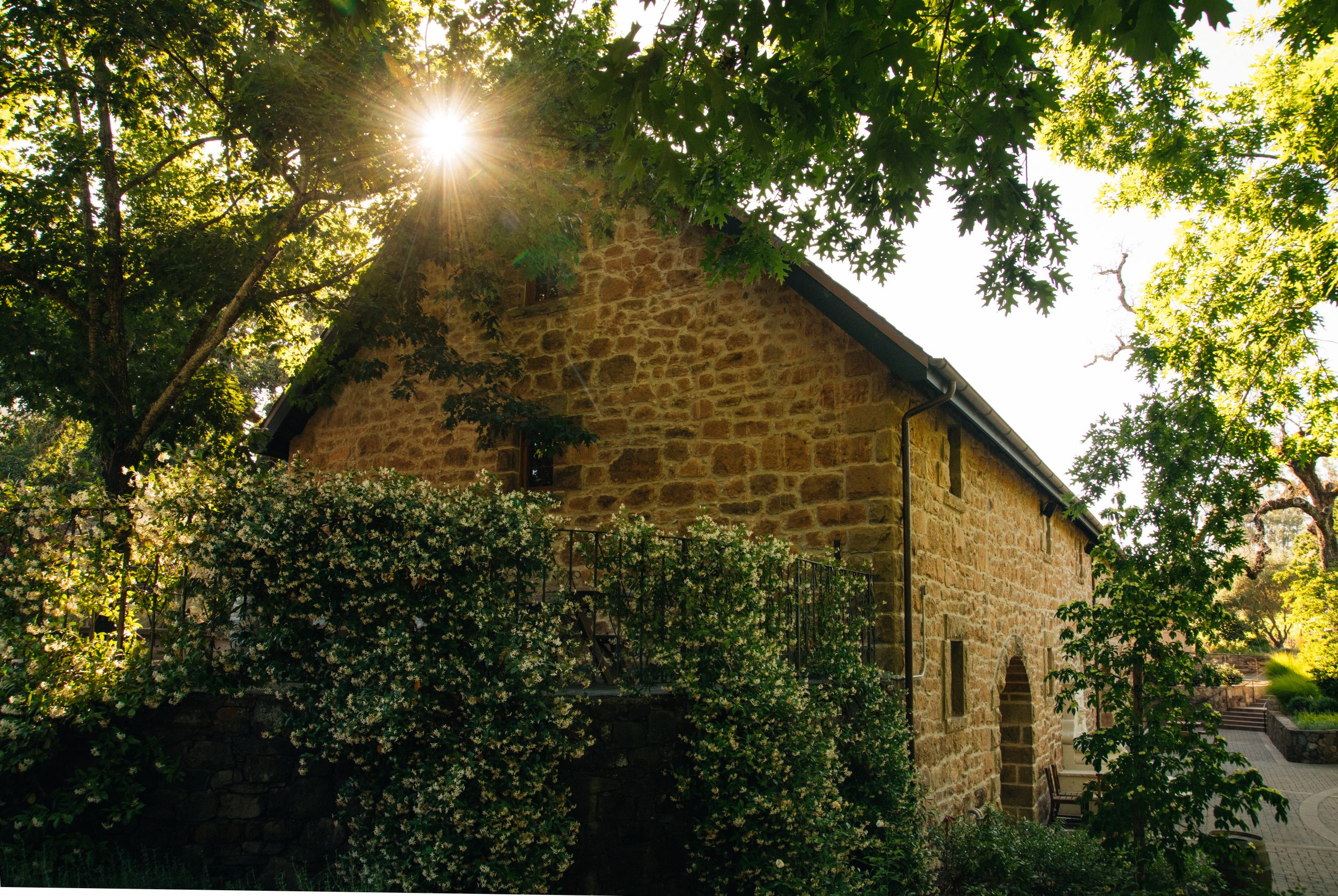
Among the three grape varieties selected for the mission is Lomanto, a Texas cultivar developed by pioneering viticulturist T.V. Munson in the early 20th Century.
Scheiner said the project represented a symbolic milestone for a grape variety with historic roots in Texas.
“The research will help us understand how different levels of radiation impact the seeds and their genetic expression once we grow them,” he said. “There is also the novelty that in several years we could potentially be bottling wine from seeds that left Earth.”
Disease resistance, climate adaptability
The researchers say the selected grape varieties already possess characteristics valued by Texas growers, including resistance to disease and an ability to tolerate local soil and climate conditions.
The team will examine whether radiation-induced mutations produce changes that could improve future grape breeding or crop resilience.
To analyse any genetic changes, Scheiner is working with horticultural scientists Andrej Svyantek and Amit Dhingra, who will study the plants once they have been grown.
Natural mutations have played an important role in horticulture throughout history. Pinot gris, for example, is believed to have originated from a mutation of pinot noir.
Related news
Fine wine market stabilised during H1 as US buyers 're-engaged'
Southern Glazer's cuts jobs as US drinks distribution shifts


