



India tariff cut opens door to wider Scotch whisky market
The UK–India Free Trade Agreement has reduced India’s tariff on Scotch whisky from 150% to 75%, giving producers greater access to the world’s largest whisky market. The duty is due to fall progressively to 40% over the next decade.
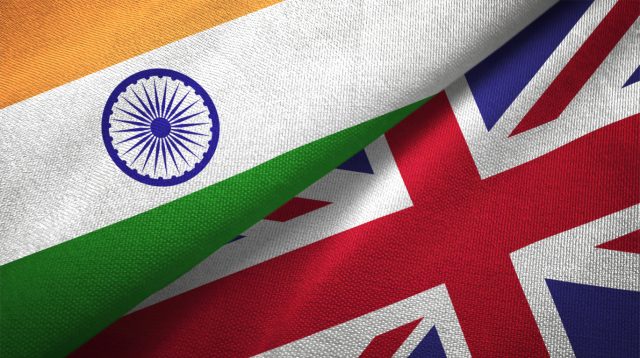
The UK–India Free Trade Agreement came into force on 15 July, immediately halving India’s import tariff on Scotch whisky and removing one of the industry’s most persistent barriers to growth.
The duty has fallen from 150% to 75%, with a further phased reduction to 40% planned over the next ten years.
Although the remaining tariff is still considerable, the agreement is expected to improve the competitiveness and availability of Scotch whisky in a market where imported products have traditionally faced prohibitive costs.
John Kennedy, managing director at Decant Index, said: “The initial impact is likely to include improved margins for established exporters and greater scope for Indian distributors to introduce a wider selection of Scotch whisky. Smaller and independent producers that may previously have found the cost of entering India prohibitive could also gain access to the market.
“Over time, this could result in greater availability of premium single malts, age-stated expressions, independent bottlings and limited-edition releases.”
Largest whisky market
India is already Scotch whisky’s largest export market by volume and the biggest whisky market in the world.
More than 220 million equivalent 70cl bottles of Scotch were exported to India in 2025, although Scotch still accounts for only around 3% of the country’s total whisky market.
Exports were worth £286 million last year, up 15% on 2024. Volumes also rose by 15%, making India Scotch whisky’s third-largest export destination by value.
Kennedy said: “By reducing one of the industry’s most significant trade barriers, the agreement should improve competitiveness, margins and market access for Scotch whisky producers in a market that had already grown.”
The Scotch Whisky Association has described the agreement as “a once in a generation deal and a landmark moment for Scotch whisky”.
Mark Kent, chief executive of the association, previously referred to the “strategic importance of this landmark deal for the long-term growth” of the sector, arguing that it should support further investment and employment in both India and the UK.
Opportunities beyond large exporters
The tariff reduction is expected to benefit multinational groups already established in India, but it may also provide a route into the market for independent distillers and bottlers.
Smaller producers have historically struggled to absorb the cost of a 150% import duty, particularly when competing against locally made whisky and global brands with established distribution networks.
Lower tariffs could give Indian importers more freedom to expand their ranges and introduce products that had previously been too expensive to list.
Partner Content

The agreement also covers bulk Scotch, a substantial proportion of which is shipped to India for local bottling or use within Indian whisky brands.
Kennedy said: “The most immediate benefit will be felt by companies exporting bottled and bulk whisky. Stronger consumer demand can, however, feed back through the wider Scotch whisky supply chain.”
What it could mean for casks
Greater demand from India could eventually increase requirements for young malt and grain whisky, blending stock, age-stated single malt and liquid intended for independent or limited-edition releases.
“A growing Indian market could create additional requirements for young malt and grain whisky used within blends, mature blending stock, age-stated single malt and casks suitable for independent, bespoke or limited-edition bottlings,” Kennedy said.
“A significant proportion of the whisky exported to India is already shipped in bulk, some for bottling as Scotch whisky and much of it for use within Indian whisky products. Reduced tariffs may therefore benefit Scottish suppliers as well as Indian producers that require imported Scotch for their own brands.”
He cautioned, however, that the agreement would not necessarily translate into an immediate rise in cask values.
“This does not mean that cask values will automatically rise as a direct consequence of the agreement. Individual values will continue to depend on the distillery, age, cask type, alcohol strength, remaining liquid volume, provenance, contractual rights and wider market conditions.
“The more meaningful long-term benefit is the potential expansion of the buyer base and the number of commercial uses for maturing Scotch whisky.”
Indian producers prepare for competition
As previously reported by the drinks business, the agreement has been widely welcomed by Scotch producers. However, Indian distillers have raised concerns about the potential effect of cheaper imports on the domestic industry.
When the deal was announced, William Wemyss, managing director of Wemyss Family Spirits, said the tariff reduction would create a “fairer footing” for businesses that had previously been “locked out of meaningful access” to India.
Jean-Etienne Gourgues, chairman and CEO of Chivas Brothers, described the agreement as a “game changer” for Scotch exports.
Indian producers have taken a more cautious position. Paul John warned that a sudden influx of lower-priced Scotch could affect domestic sales, although the company later said it was confident in the quality of Indian whisky and hoped the agreement would improve access for Indian brands entering the UK.
The wider trade package will reduce or remove tariffs on 90% of UK goods entering India and 99% of Indian goods entering the UK.
The UK Government estimates that the agreement could eventually increase bilateral trade by £25.5 billion a year, adding £4.8bn to UK GDP and £5.1bn to India’s economy.
Related news
'Fantastic time to be a whisky drinker’ as Hedonism launches own-label range
Tourism and gastronomy stamp Chinese whisky on the global map
Saltire Rare Malt hires five whisky experts to ‘accelerate global ambitions’


