



Why South African wine is betting on premium over volume
As global wine consumption falls to its lowest level in more than 60 years, producers are increasingly focusing on provenance, authenticity and site-specific wines to capture value rather than volume.
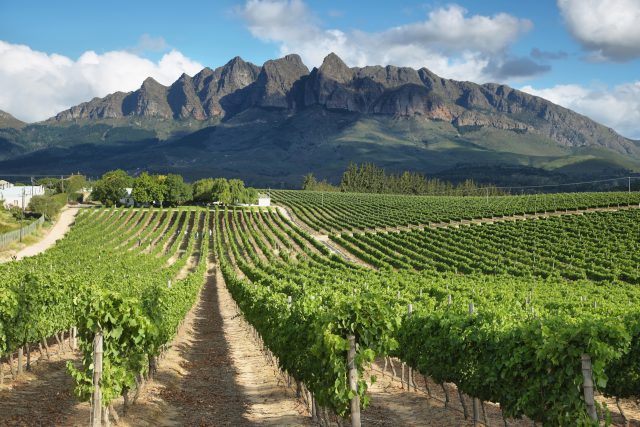
According to the International Organisation of Vine and Wine (OIV), worldwide wine consumption has fallen to its lowest level in more than 60 years, with economic pressures, changing drinking habits and global oversupply continuing to reshape the industry.
However, while overall wine volumes are under pressure, premium wines have proved more resilient as consumers increasingly opt to drink less but better. Provenance, craftsmanship, sustainability and authenticity are becoming more important purchasing factors, with wines that express a clear sense of origin standing out in competitive export markets.
“South African wine has historically competed strongly on value, particularly because of exchange rates and volume-driven exports,” said Carryn Wiltshire, marketing manager at Steenberg Vineyards. “But there has been a very clear shift toward premiumisation and differentiation, both locally and internationally, as consumers become more selective about quality and the overall experience attached to a wine.”
Wiltshire noted that global oversupply, particularly from European markets, has intensified pricing pressure in key export destinations, contributing to an estimated 8% decline in South African wine exports in recent years. She added that much of the pressure remains concentrated in bulk and lower-priced categories, while premium wines have demonstrated greater resilience.
Storytelling and authenticity
The shift mirrors wider changes in consumer behaviour. Millennials and Gen Z consumers are statistically drinking less alcohol than previous generations but are increasingly seeking products that offer stronger narratives, sustainability credentials and authenticity.
“The younger consumer wants more than just a product,” Wiltshire explained. “They want connection, storytelling and a sense of craft. Wine is both art and agriculture, and consumers increasingly want to understand the people, place and philosophy behind what they are drinking.”
At Steenberg, that focus is influencing the way the estate approaches key varieties including Sauvignon Blanc and Merlot.
Sauvignon Blanc remains central to the estate’s identity, with three distinct expressions produced from vineyard blocks with different exposures, soil profiles and cellar treatments.
Partner Content


“Every vineyard block is assessed individually,” said Wiltshire. “From soil analysis and canopy management to harvest timing and separate pressing, each decision is made to maximise flavour development and preserve the individuality of the site.”
The estate’s Black Swan Sauvignon Blanc is produced from a small selection of top-performing vineyard blocks chosen for their cooler conditions, slower ripening and distinctive flavour profile.
Meanwhile, Blanc 2024 from Steenberg’s recently launched Canvas Collection takes a more experimental approach. The wine is matured in French oak and blended from individually harvested vineyard blocks to create what the estate describes as a more layered, textured and age-worthy expression while retaining Constantia’s freshness and restraint.
Regional identity
Steenberg applies a similar philosophy to Merlot, having replanted vineyard blocks into warmer areas of the farm considered better suited to the variety. In the cellar, winemaking decisions are guided by a restrained, terroir-focused style inspired by traditional old-world winemaking.
Wiltshire also highlighted the growing importance of South Africa’s Wine of Origin (WO) and Integrated Production of Wine (IPW) certification systems, which were introduced to strengthen traceability, sustainability and regional identity.
“Regionality and sense of place are key pillars in how consumers understand wine,” she said. “Wine of Origin helps communicate not just where a wine comes from, but why that place matters in shaping style and quality.”
Despite the opportunities presented by premiumisation, Wiltshire acknowledged that changing perceptions of South African wine remains a challenge. While the country’s export success has historically been built on accessibility and scale, many retailers continue to prioritise volume and price over brand positioning.
“The South African industry has the terroir, heritage and winemaking talent to produce exceptional wines,” said Wiltshire. “What’s needed now is consistent messaging and confidence in the quality we produce. International recognition, strong storytelling and regional identity all help reposition South African wine where it deserves to be; among the world’s respected premium wine regions.”
Related news
Copa Jerez to test UK chefs and sommeliers’ pairing prowess


