



UK late-night venue numbers fall nearly 29% since pandemic
Britain’s late-night economy has continued to contract amid rising costs and shifting consumer habits, with new figures showing the sector has shrunk by almost 29% since March 2020.
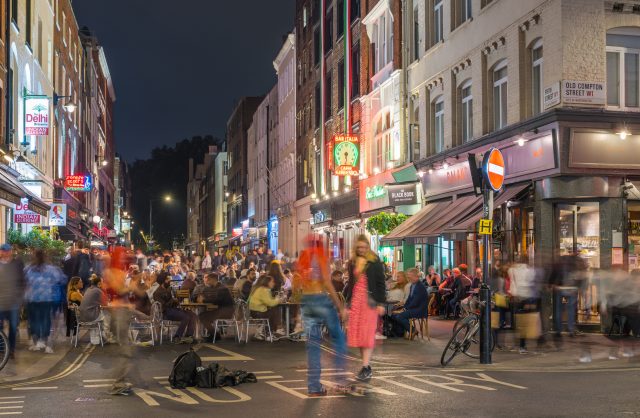
Britain’s late-night economy has continued to shrink under the pressure of rising costs and changing consumer behaviour, according to the latest Night Time Economy Market Monitor.
The report, produced by NIQ, powered by CGA intelligence, and the Night Time Industries Association (NTIA), found that the number of bars, clubs, casinos and other late-night venues fell by 1.0% in the first quarter of 2026 and by 5.1% over the last 12 months.
In total, the sector has contracted by 28.9% in the six years since the start of the COVID-19 pandemic in March 2020. The figures equate to nearly three net closures every week over that period.
Closures outpace wider hospitality sector
According to NIQ data, the late-night sector has been disproportionately impacted by post-pandemic pressures. Britain’s overall number of licensed premises has declined by 14.3% in the last six years, meaning late-night venues have closed at more than twice the rate of hospitality as a whole.
The report attributed the ongoing contraction to a combination of high operating costs, weak consumer confidence, changing leisure habits and poor late-night infrastructure. It added that challenges in 2026 have been intensified by the impacts of conflict in the Middle East for both businesses and consumers.
Late-night bars were identified as the weakest-performing segment in the latest figures, closing at a rate of nearly six per month over the last year.
Partner Content




The report also referenced the separate NIQ RSM Hospitality Business Tracker, which has shown a gap in sales growth between managed bars and other hospitality venues. Combined sales and cost pressures have led to high-profile closures during the first quarter of 2026 from bar operators including Revolution and Brewdog.
Despite the wider downturn, the report highlighted some more positive trends within the sector, including strong growth in themed bars and greater resilience among independently-run venues as operators develop more distinctive late-night concepts.
Karl Chessell, Director – Hospitality Operators and Food, EMEA at NIQ, said: “While all parts of hospitality face tough trading conditions, the night time economy has borne the brunt of closures lately. Some concepts continue to thrive, but thousands of bars and clubs have been steadily weakened by soaring costs and falling sales, and it’s becoming increasingly hard to keep the doors open late at night. More closures over the rest of 2026 are sadly inevitable without targeted and sustained support.”
Structural pressures
Mike Kill, CEO of the Night Time Industries Association, said the pace of closures pointed to deeper structural issues within the sector.
“The rate at which late-night venue closures are outpacing the rest of hospitality points to structural challenges rather than a healthy market evolution,” he said. “Economic pressures like soaring energy and labour costs and taxes are making it difficult to operate viable late-night businesses, while inconsistent approaches to licensing, transport and policing are undermining the infrastructure that a thriving night time economy needs.
“Demand is changing rather than disappearing, but there’s a real risk that we lose vital parts of our cultural and social fabric before new models have the chance to fully emerge.”
Related news
What's on the new menu at Seed Library NYC?


